75% off1:24
BMW
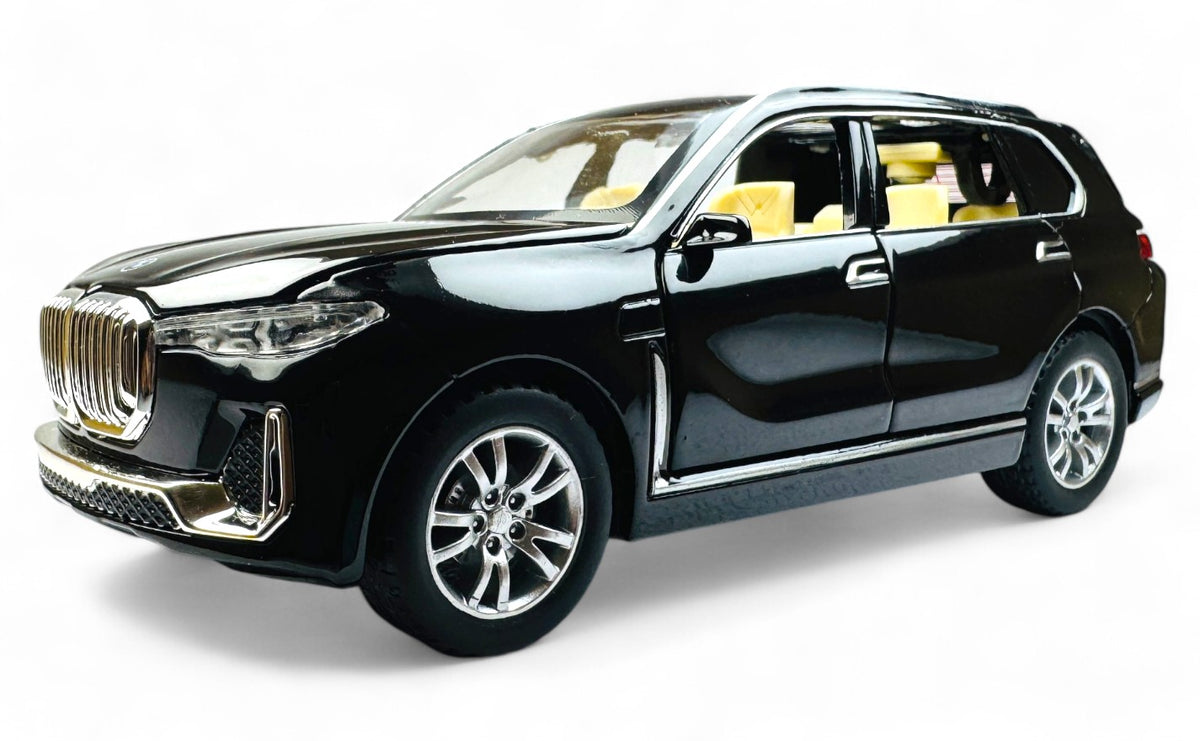
BMW X7 1:24 Diecast Model
(63)
₹1,499₹6,00075% off
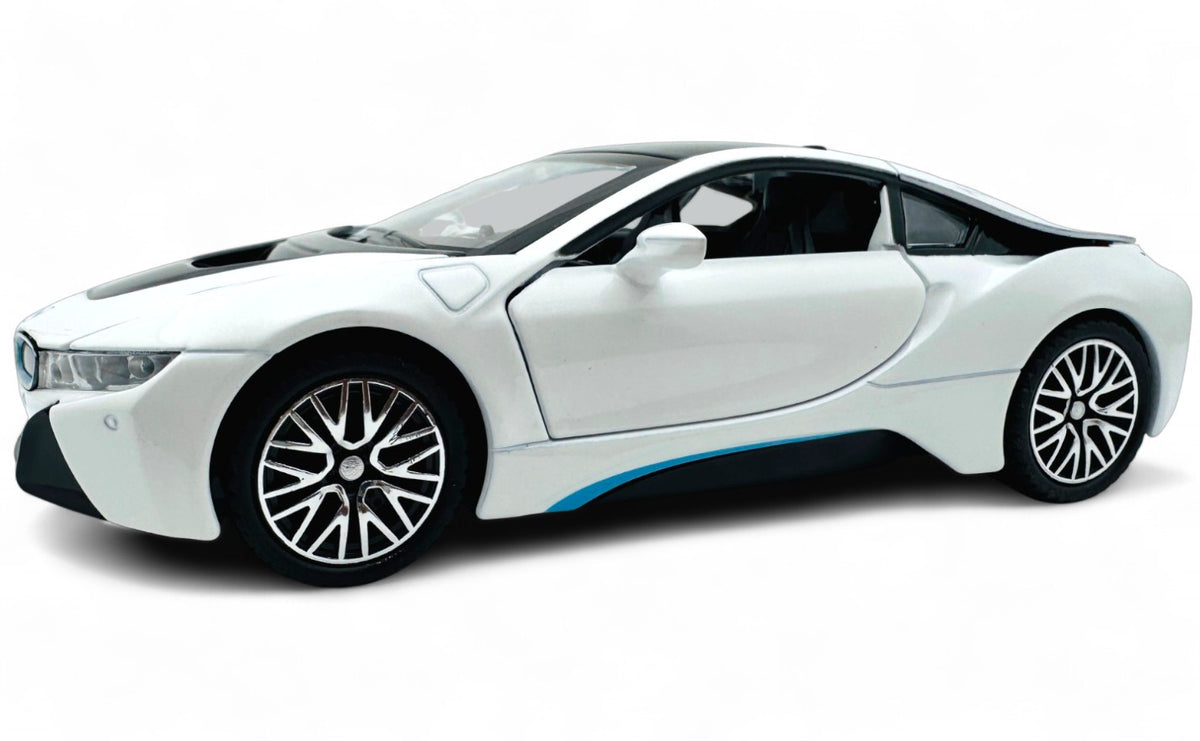
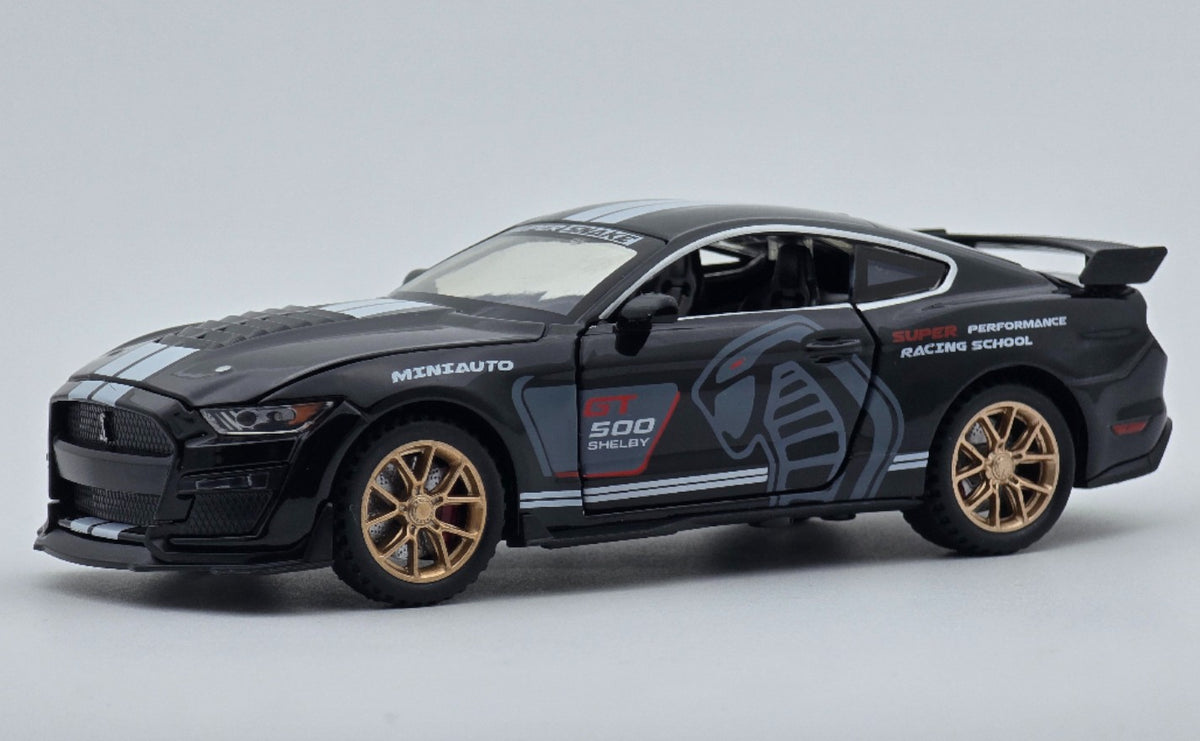
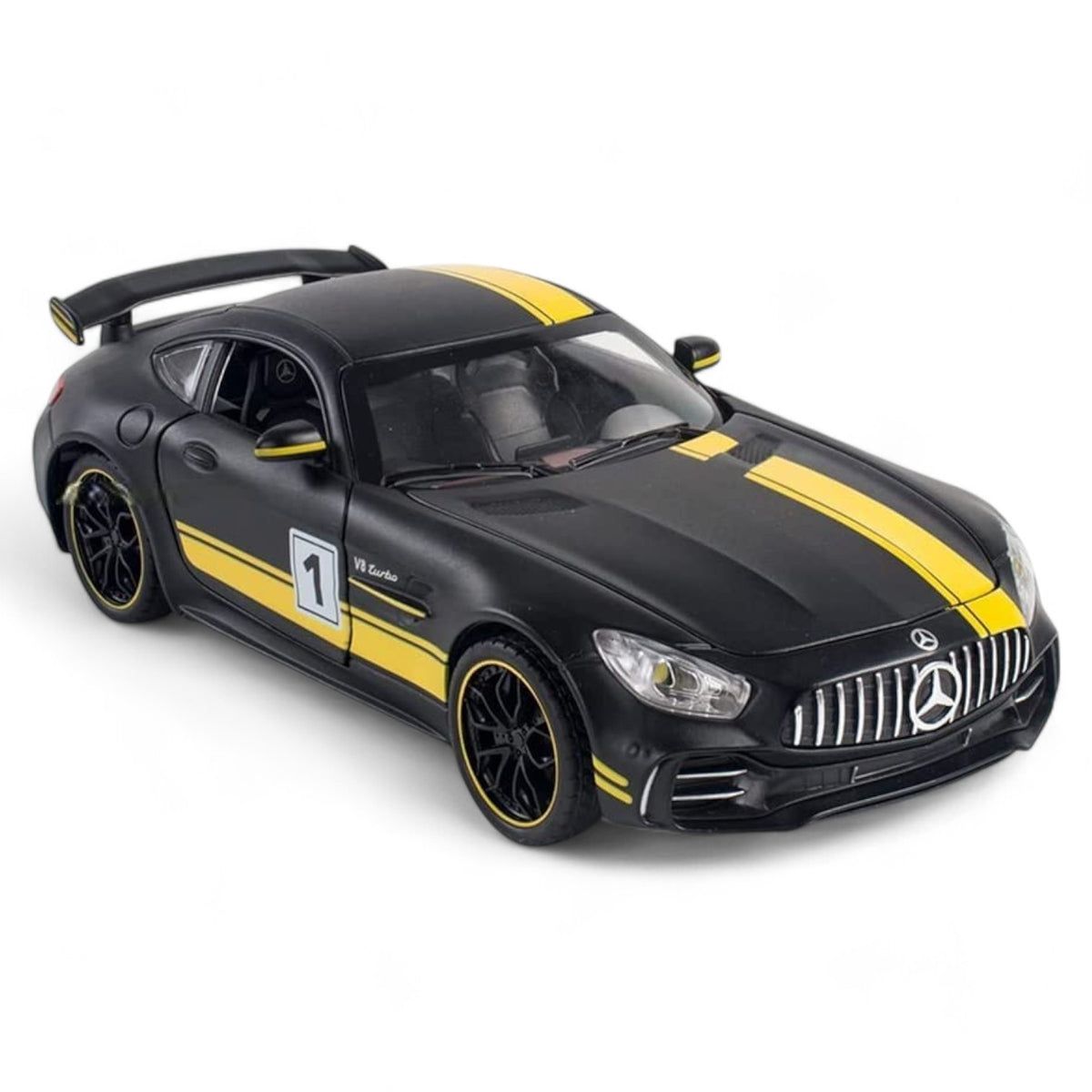
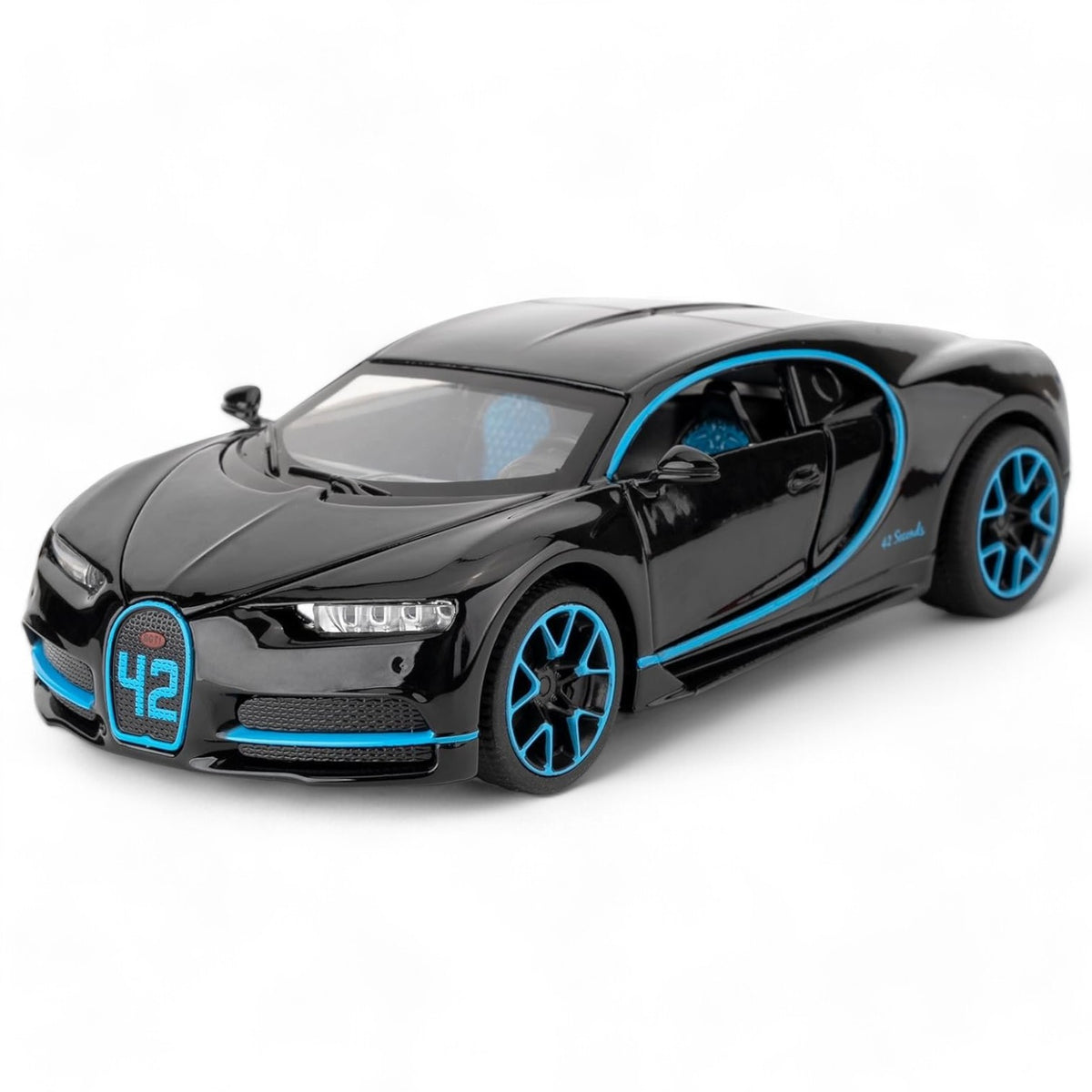
The regular size. About 18 to 20 cm, opening doors, pull-back motors and lights. These are the cars people call metal toy cars, and they are also proper scale models.
55 models · from ₹1,499 · free shipping
BMW
Lamborghini
Volkswagen
Koenigsegg
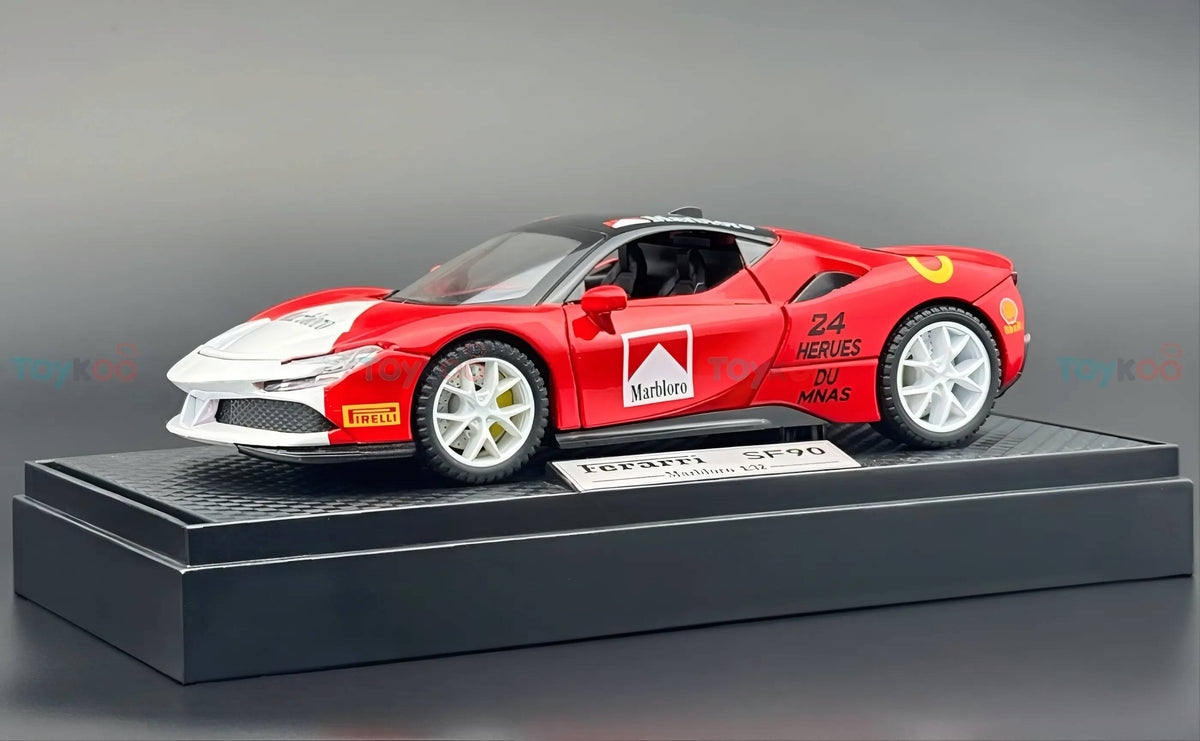
Ferrari
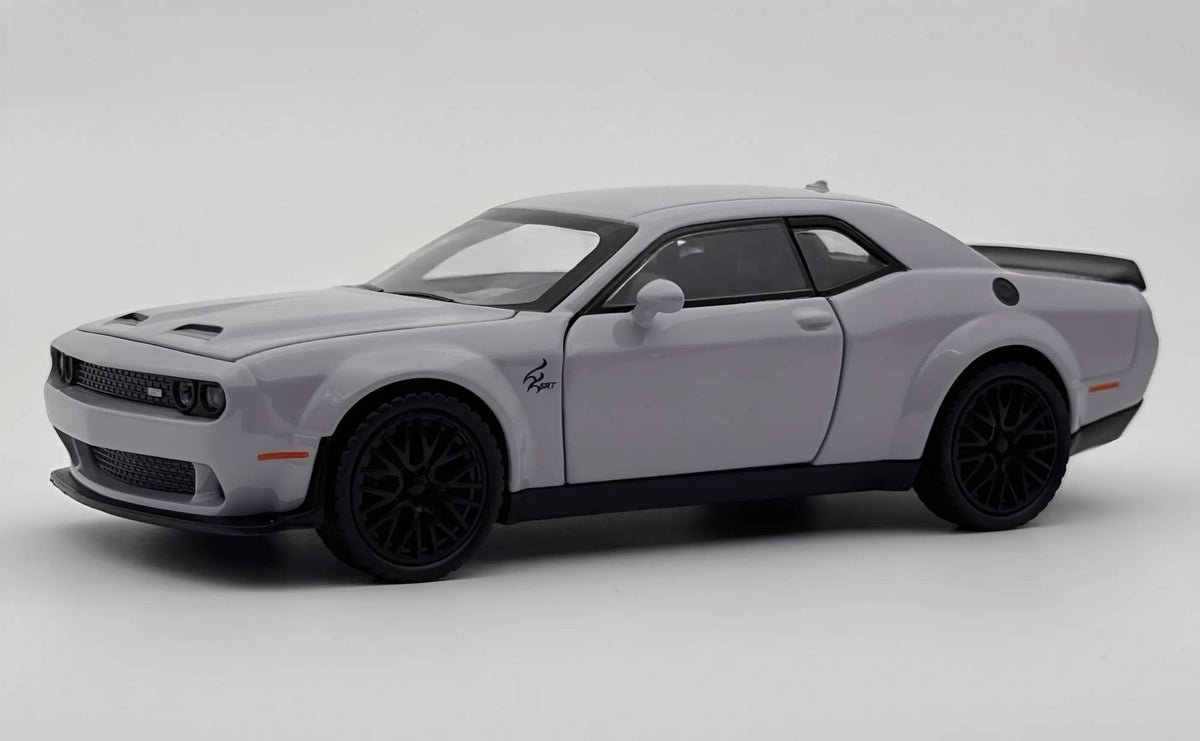
Dodge
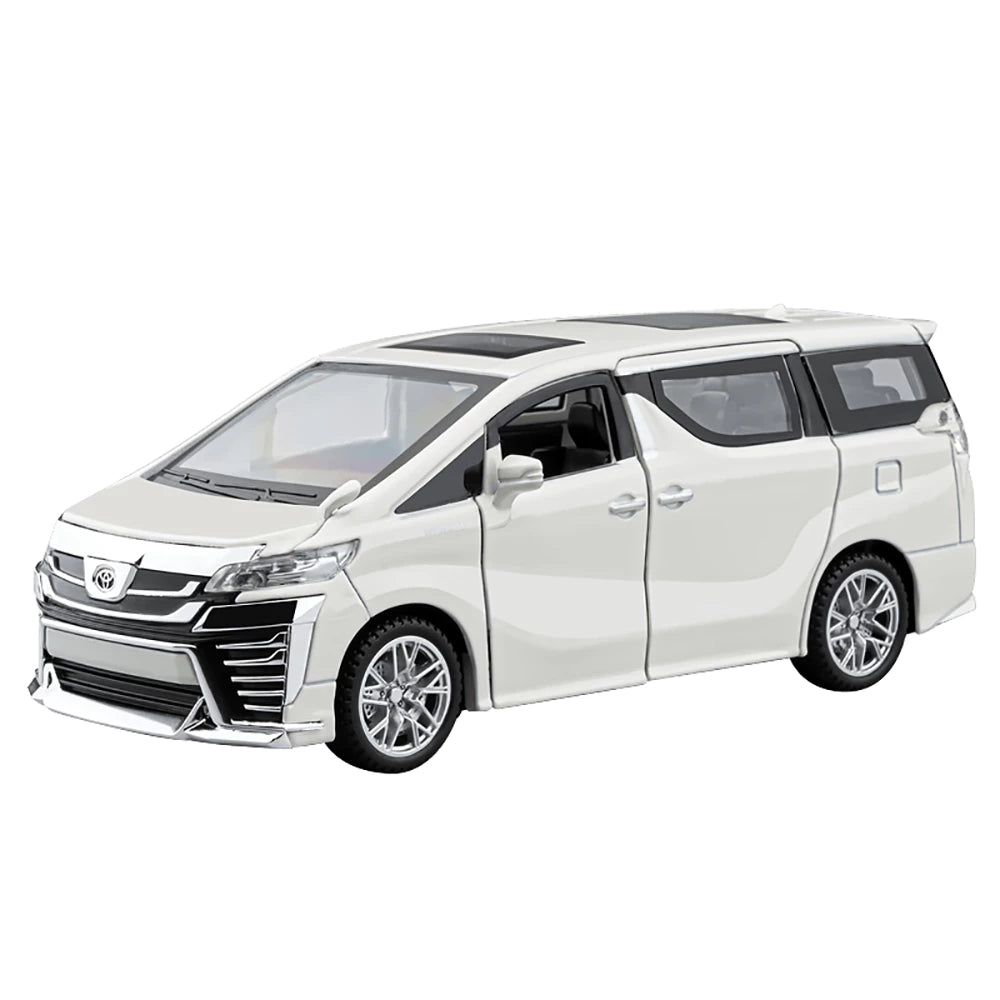
Toyota
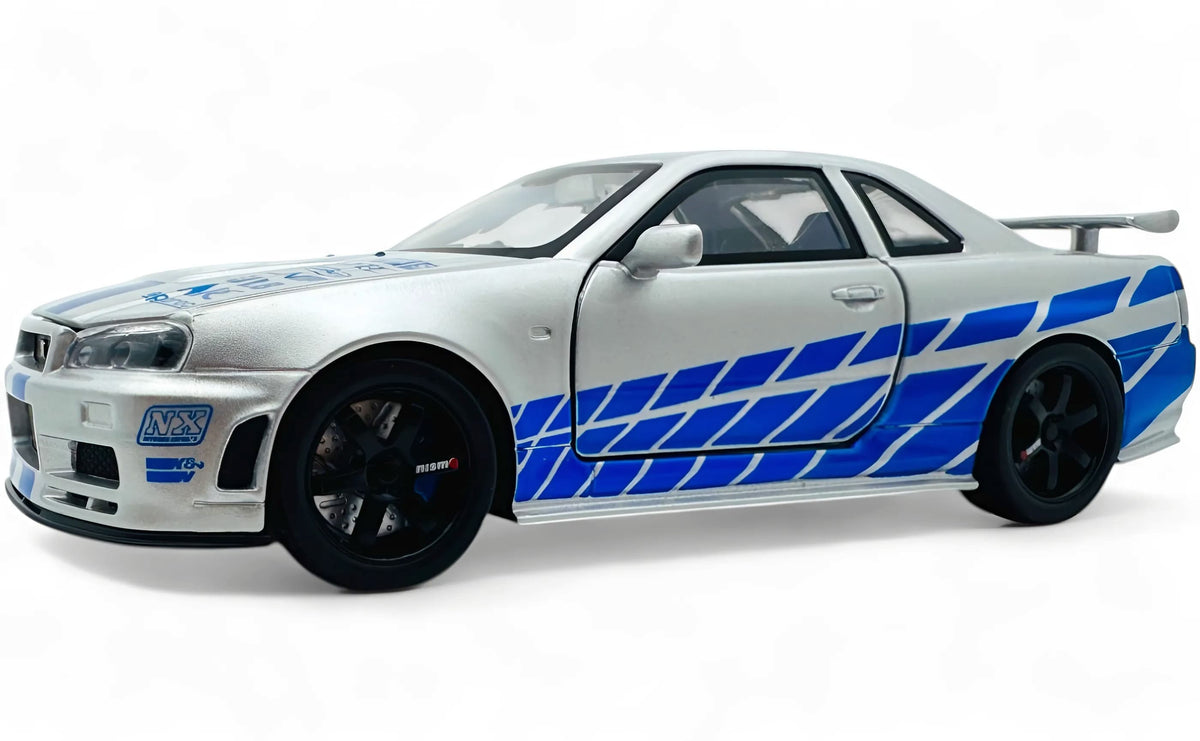
Nissan
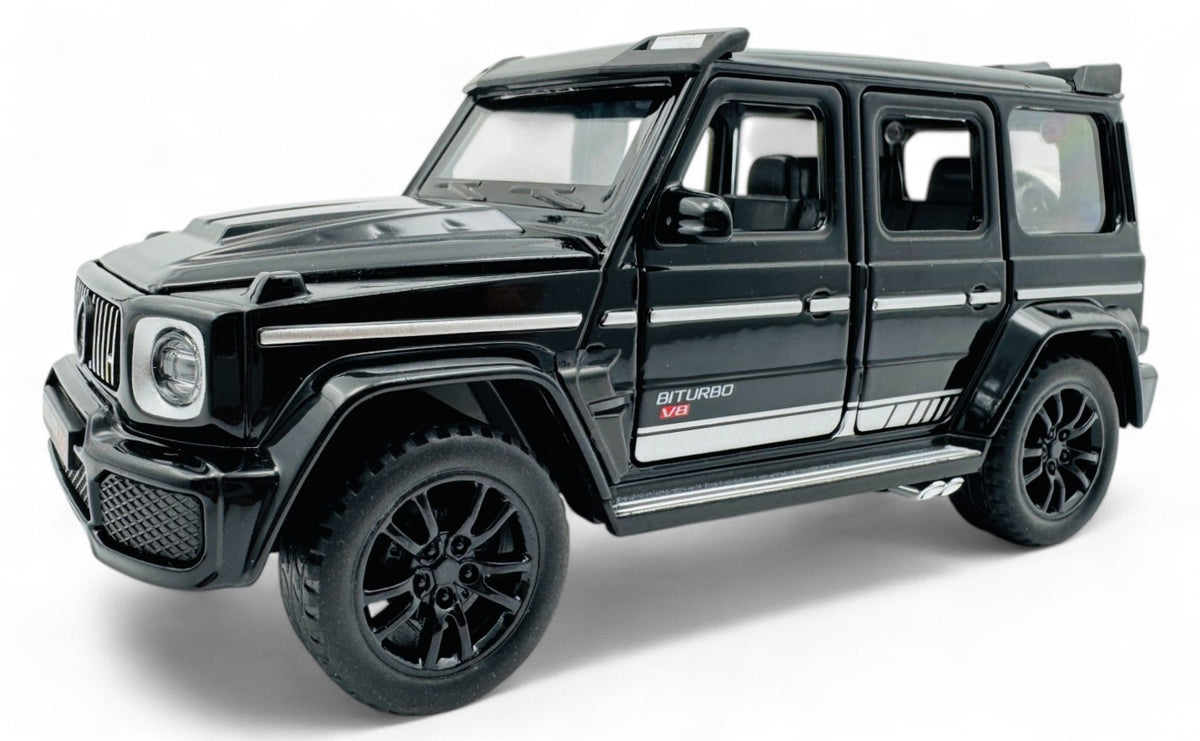
Mercedes-Benz
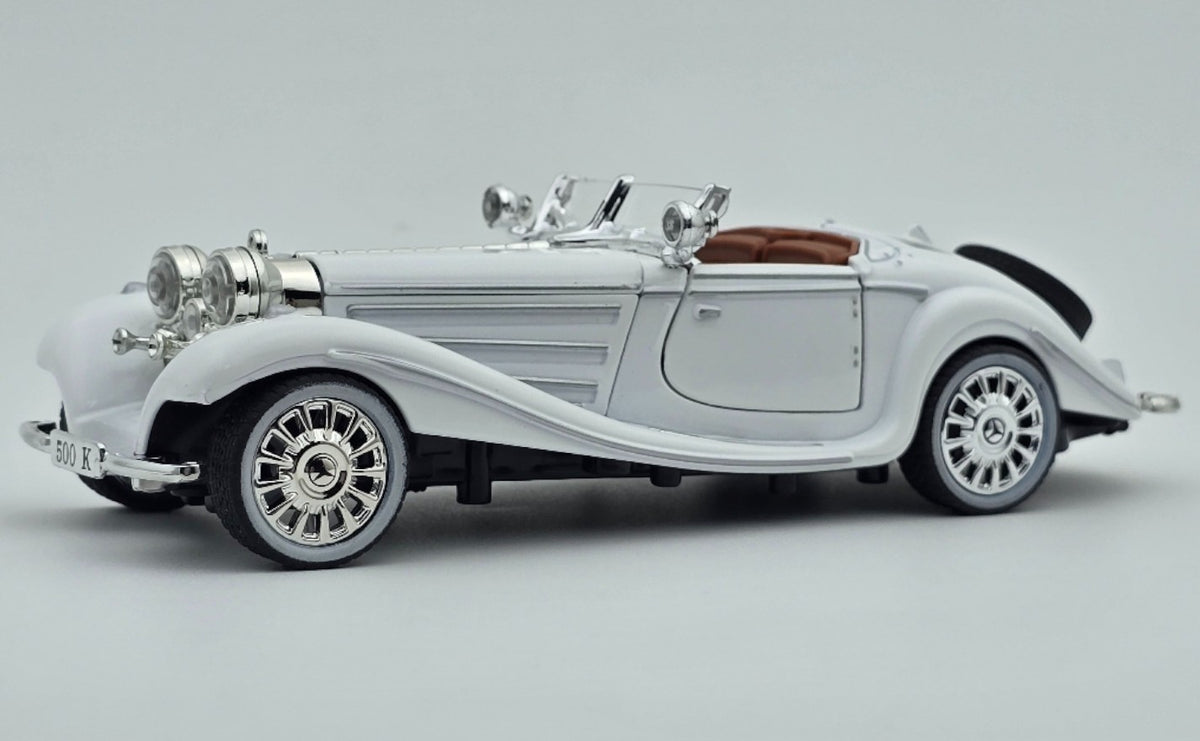
Mercedes-Benz
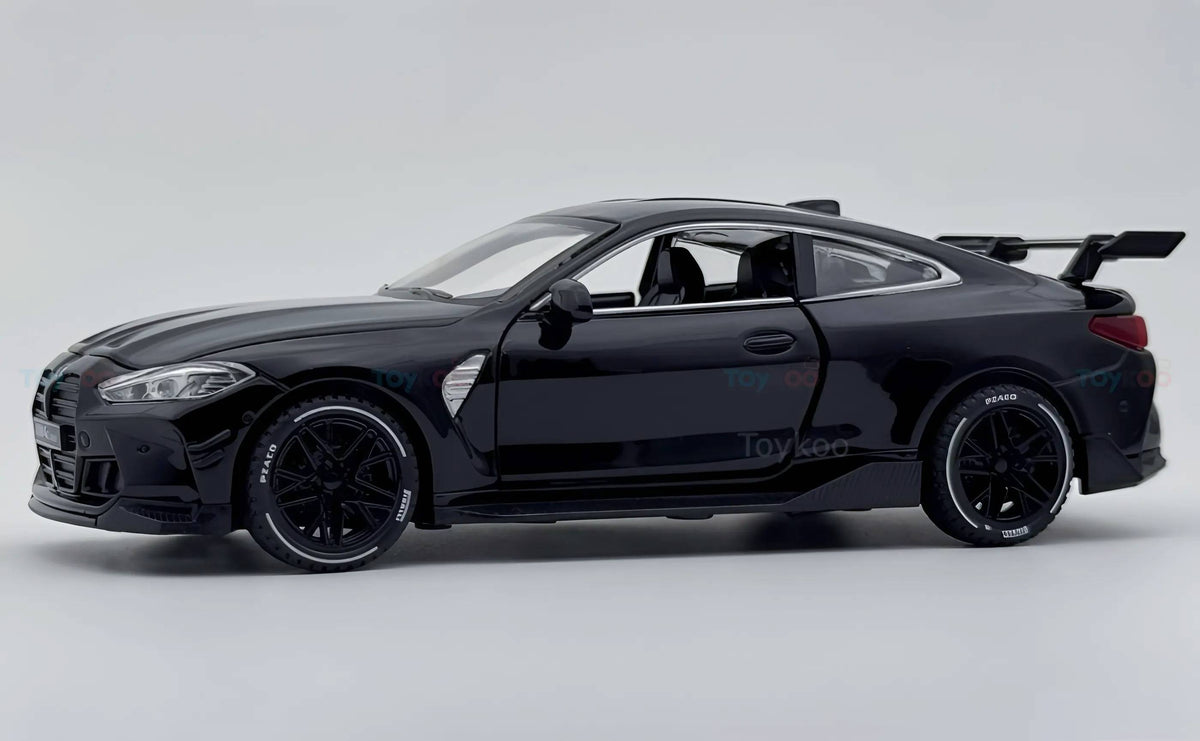
BMW
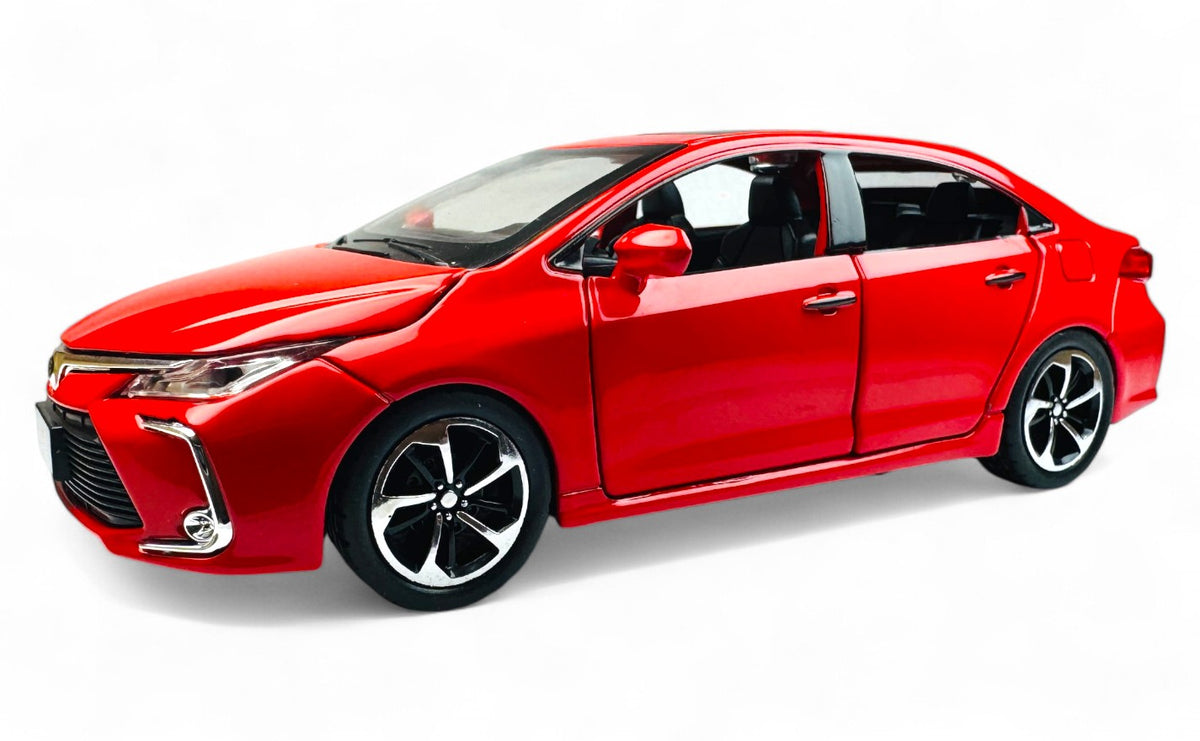
Toyota
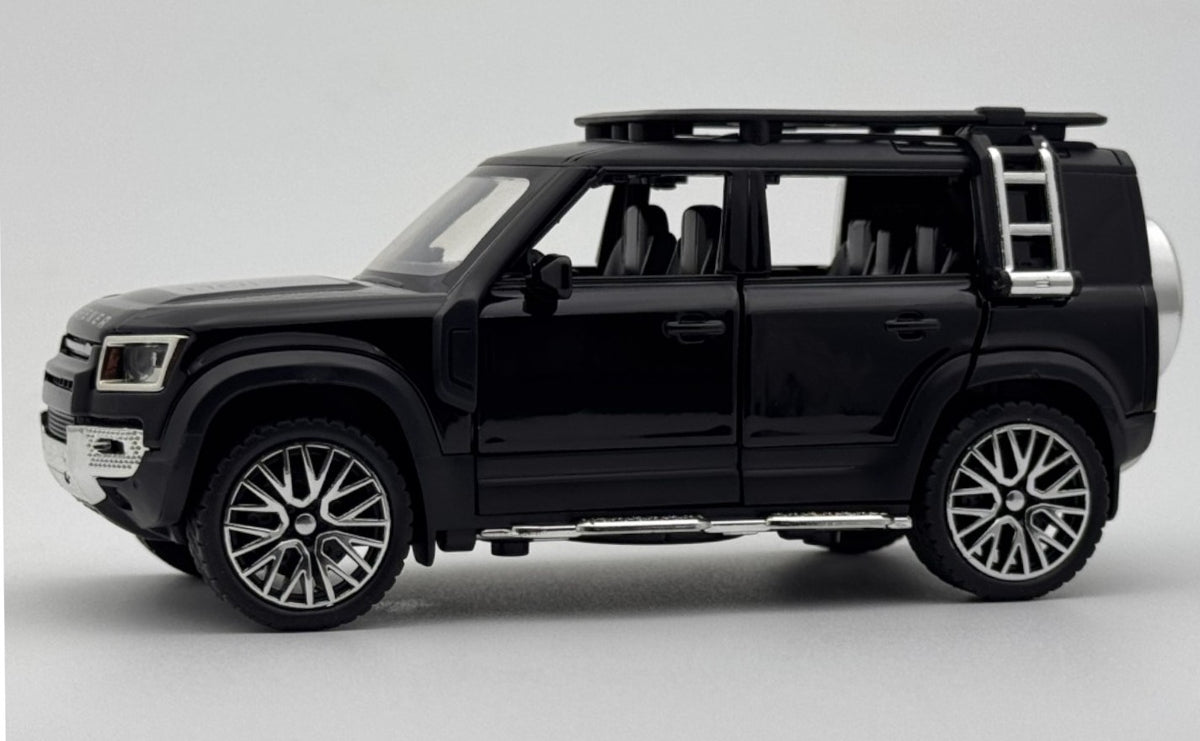
Land Rover
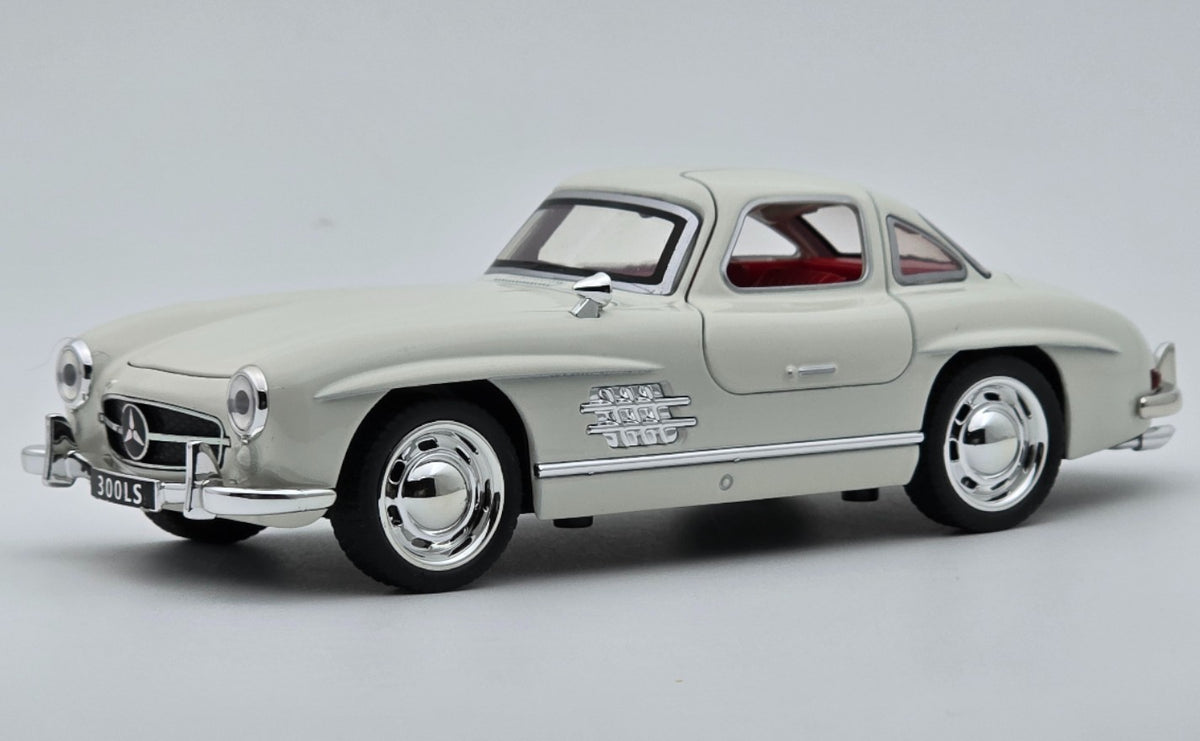
Mercedes-Benz
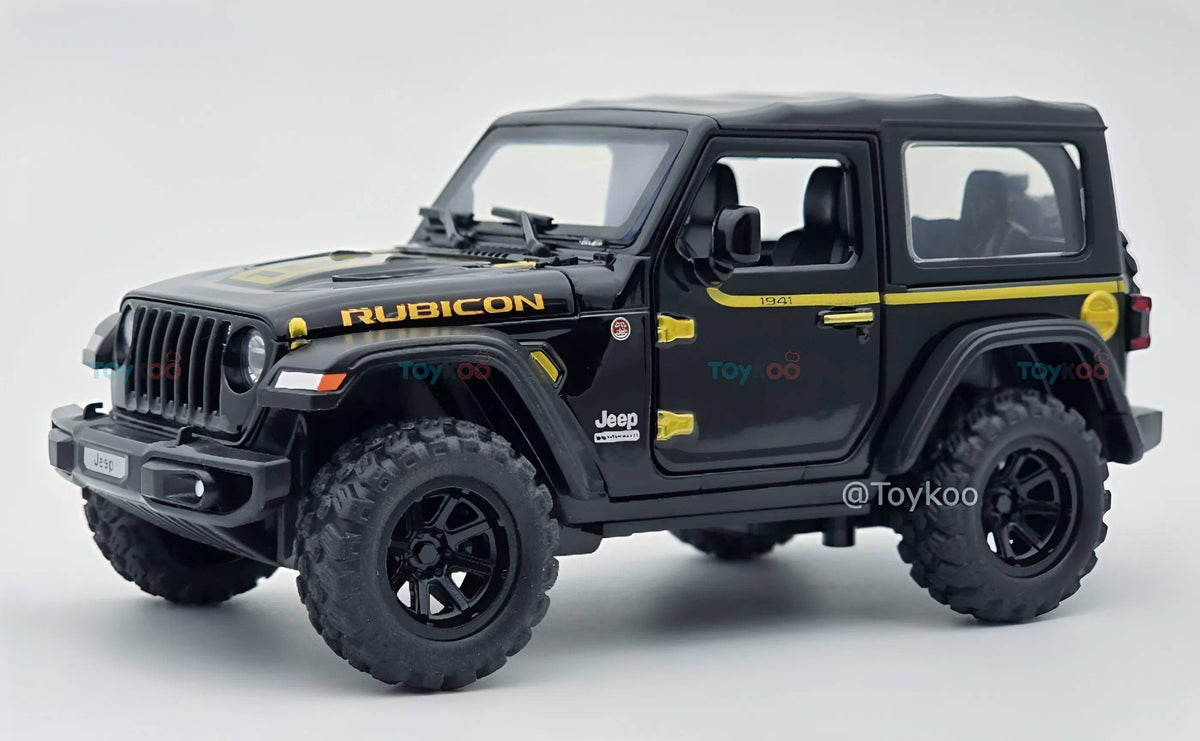
Jeep
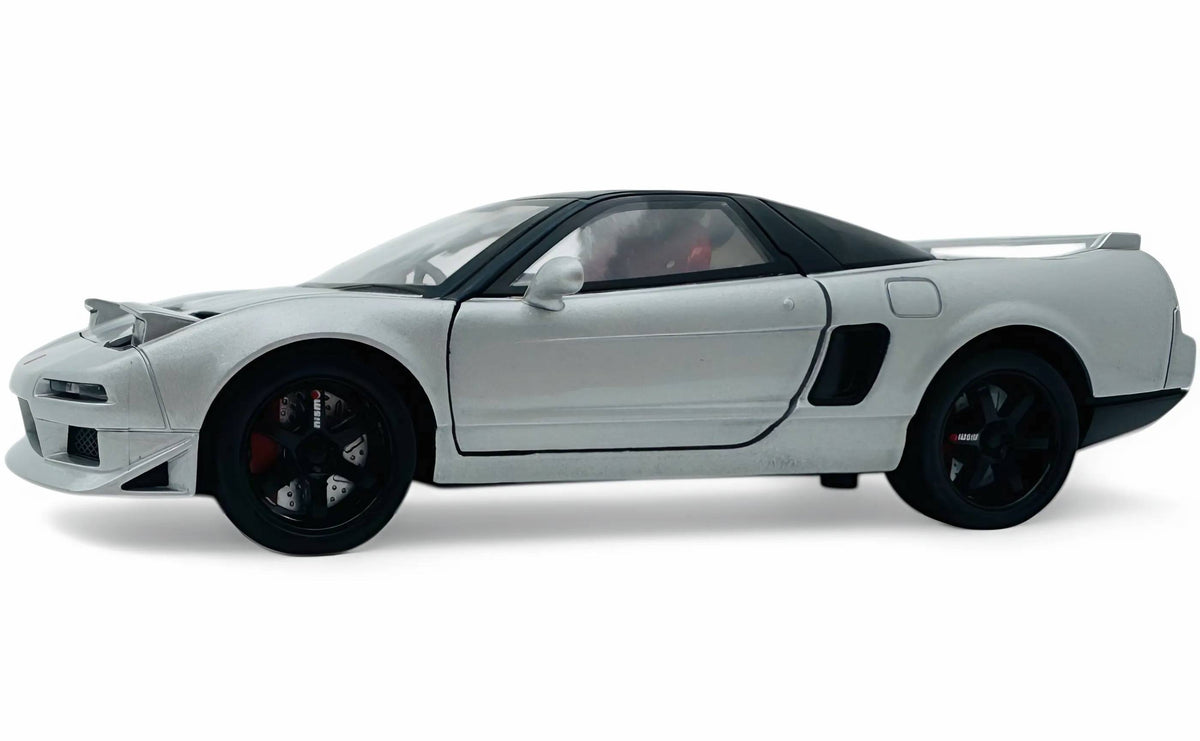
Honda
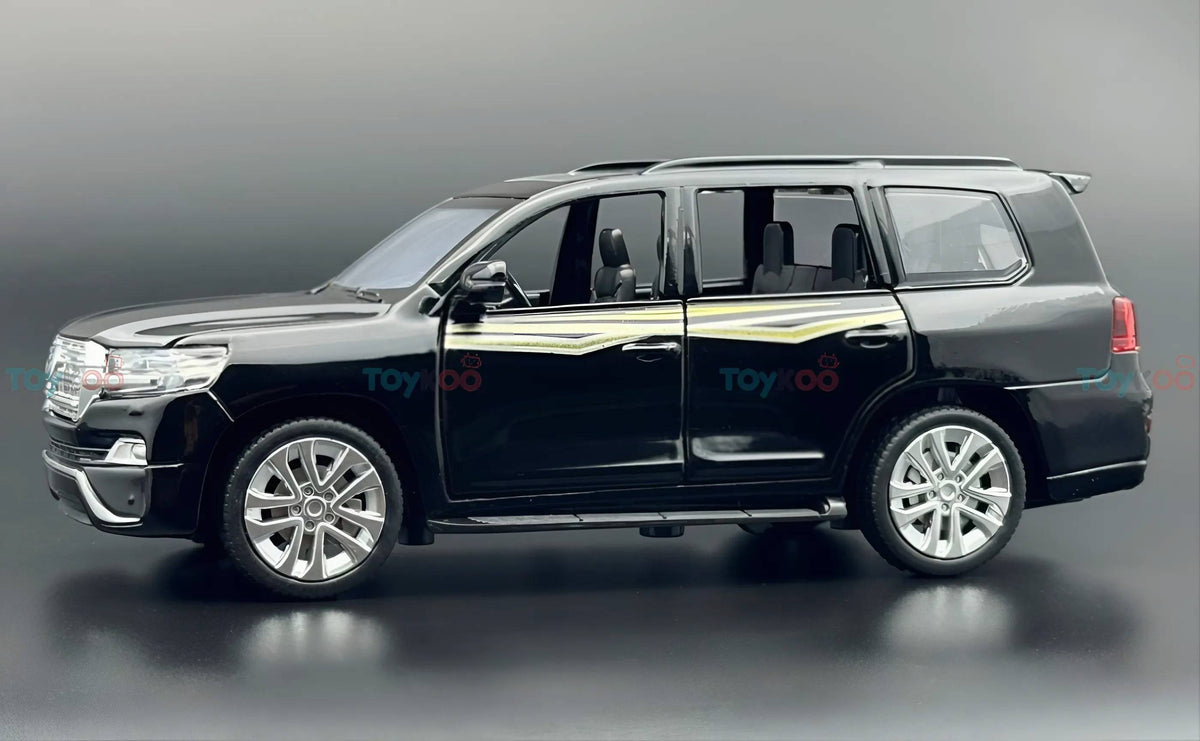
Toyota
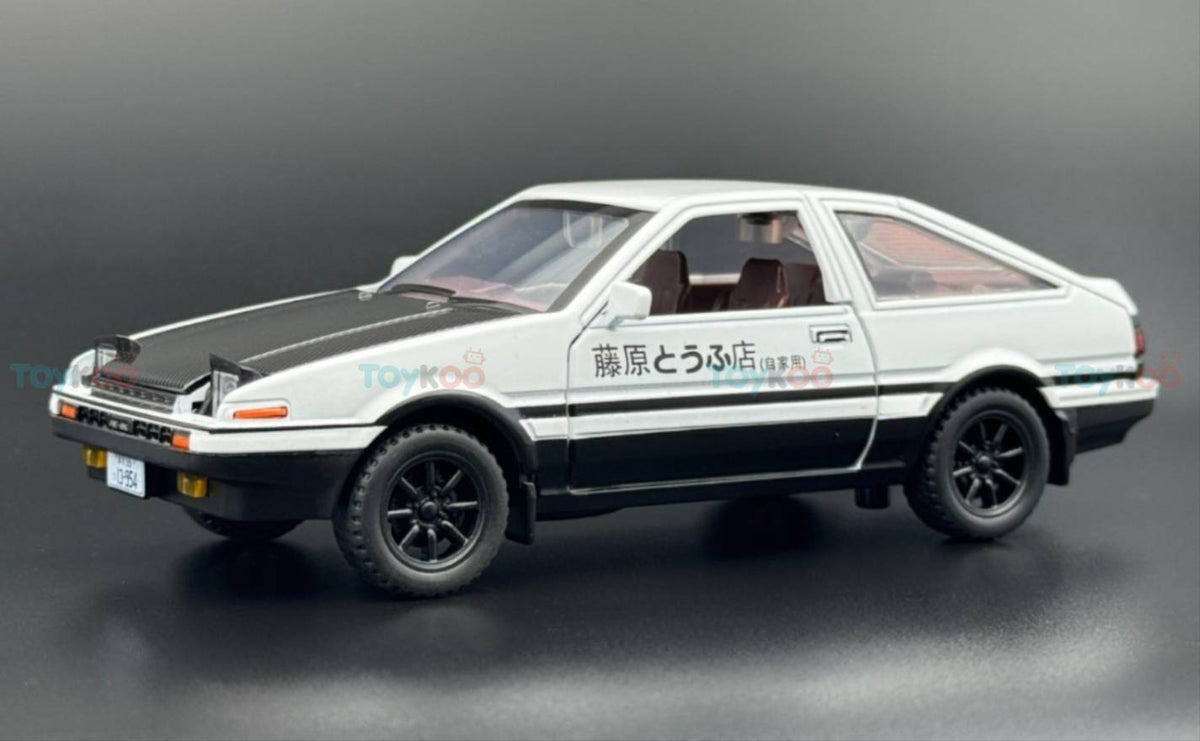
Toyota
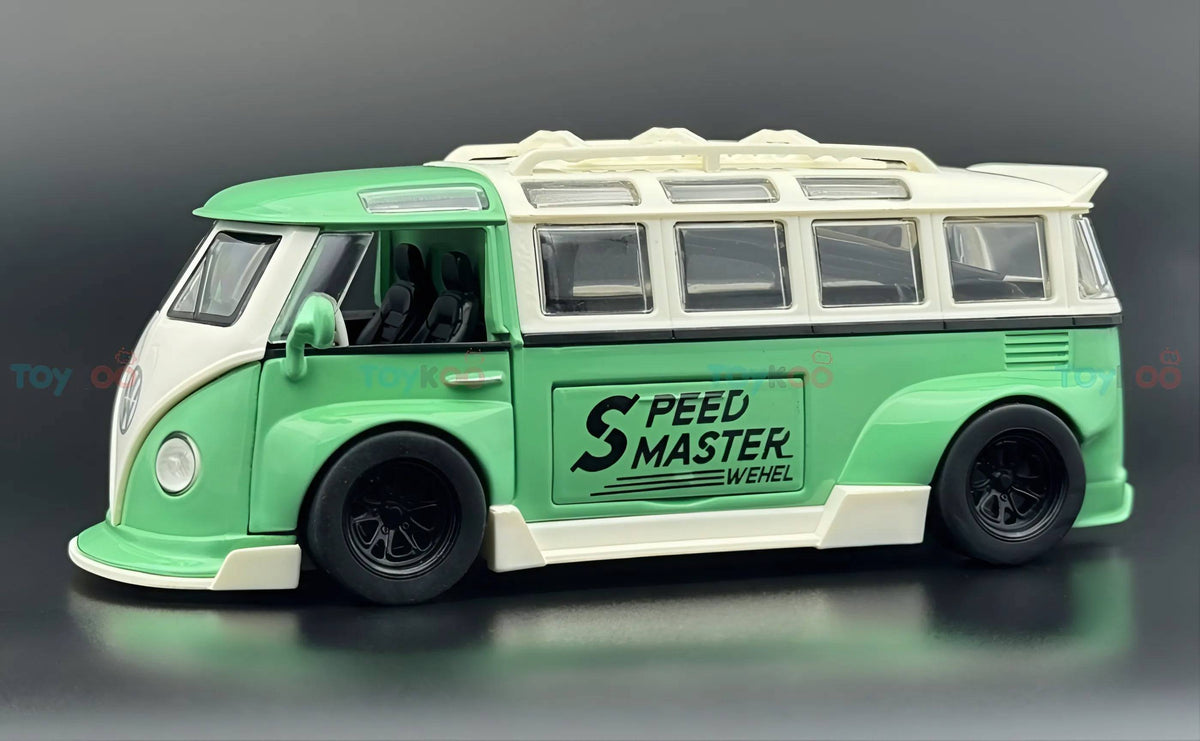
Volkswagen
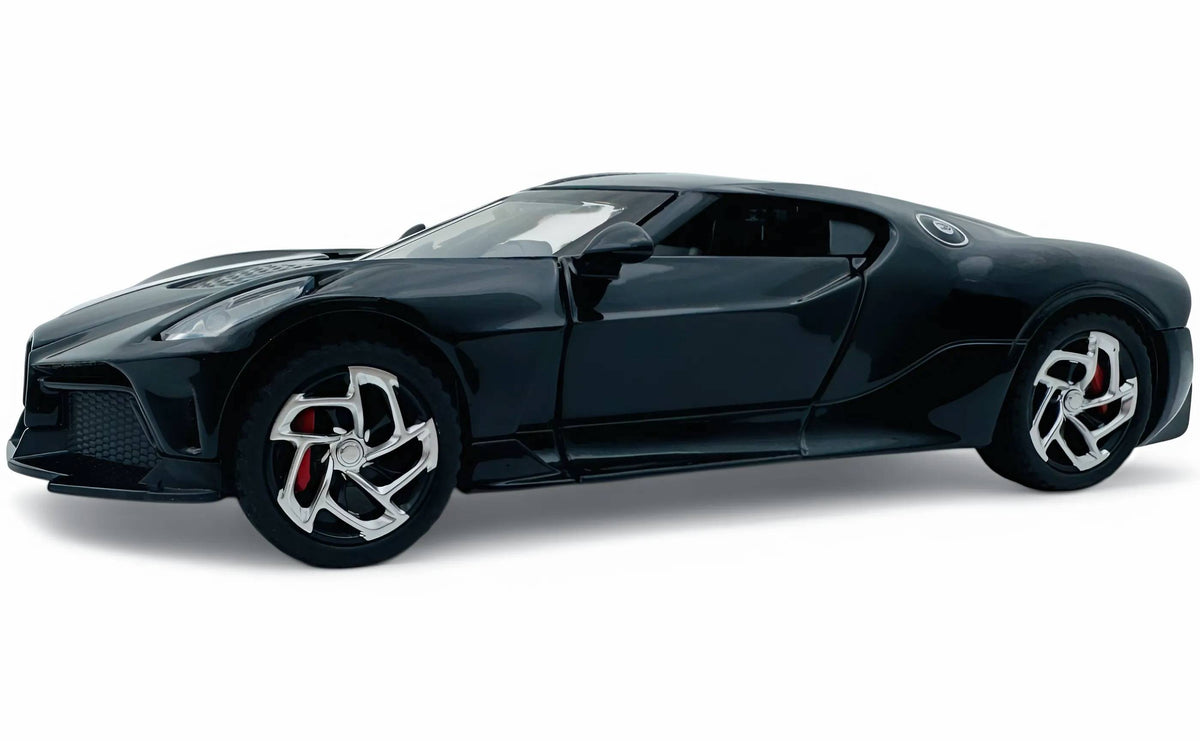
Bugatti
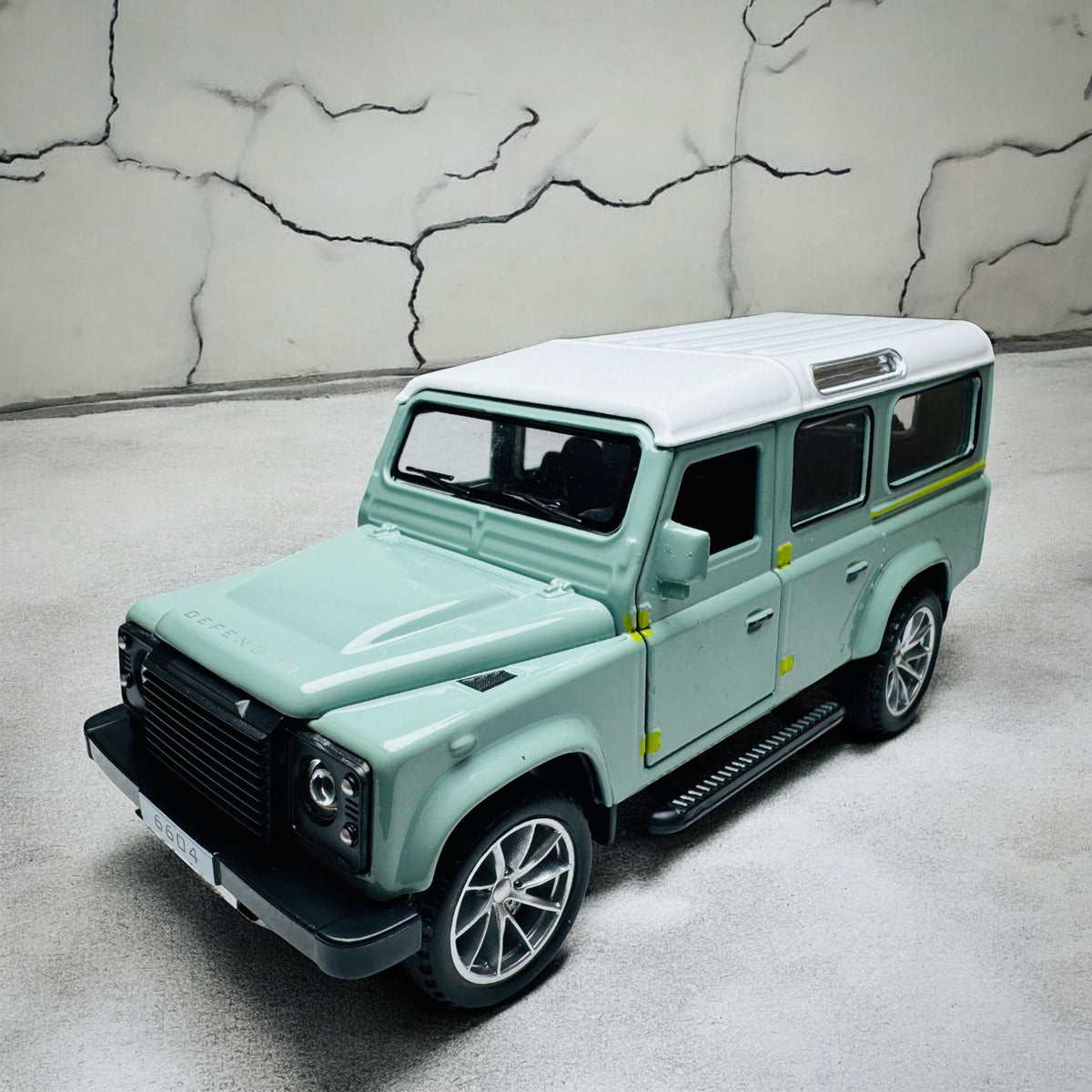
Land Rover
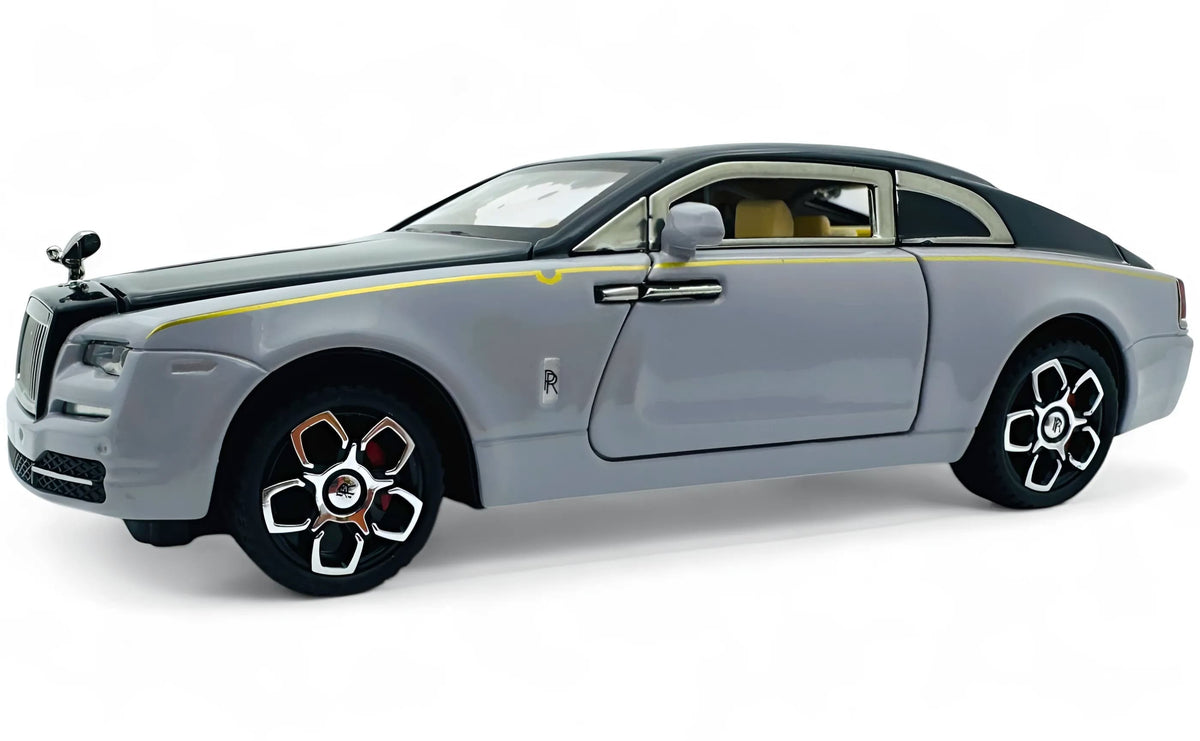
Rolls-Royce
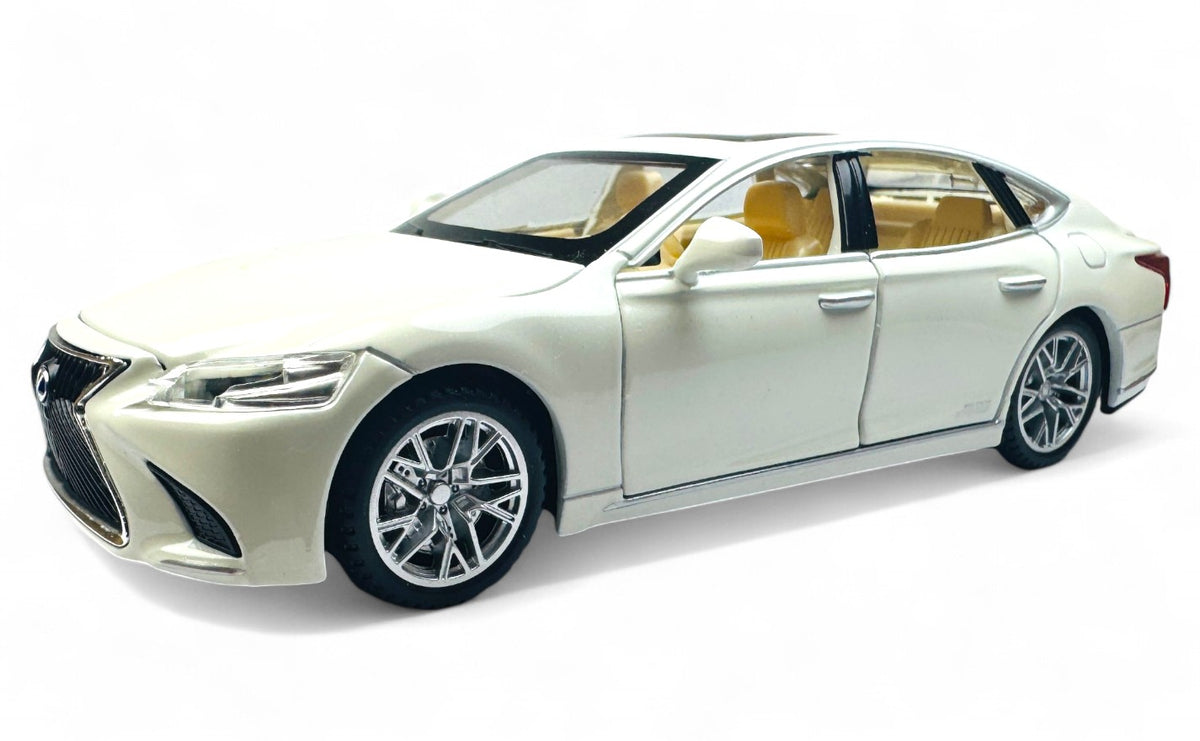
Lexus
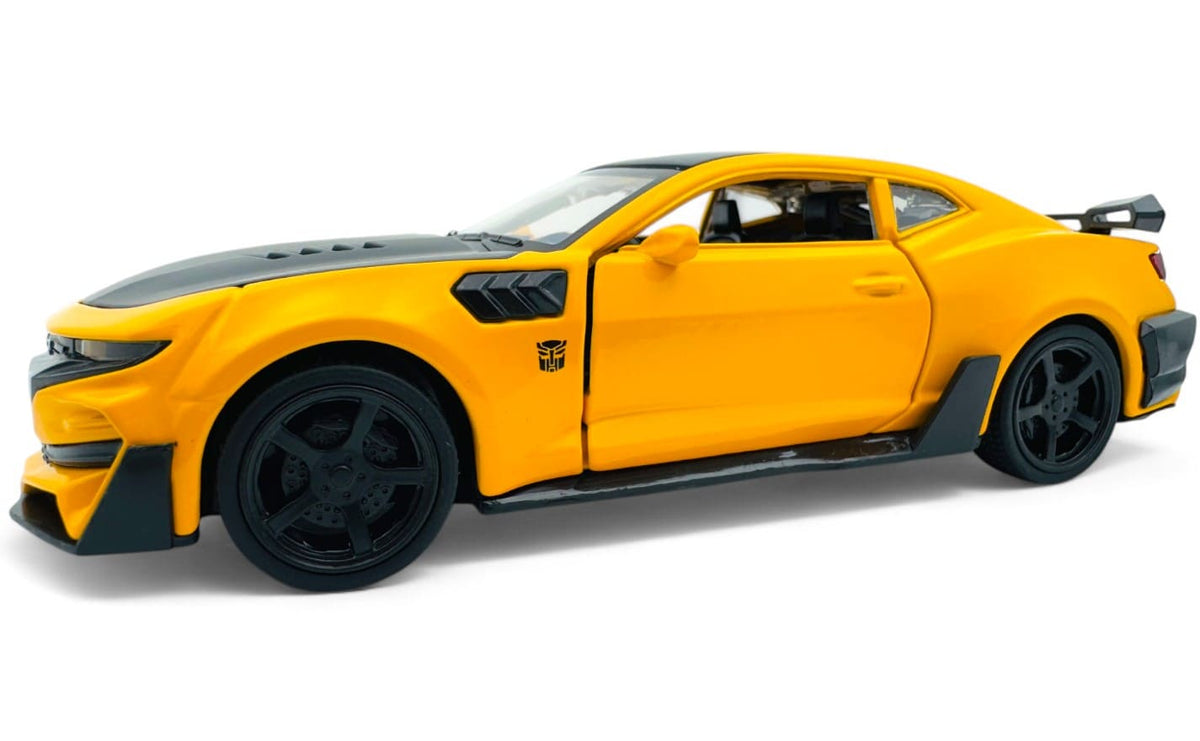
Chevrolet
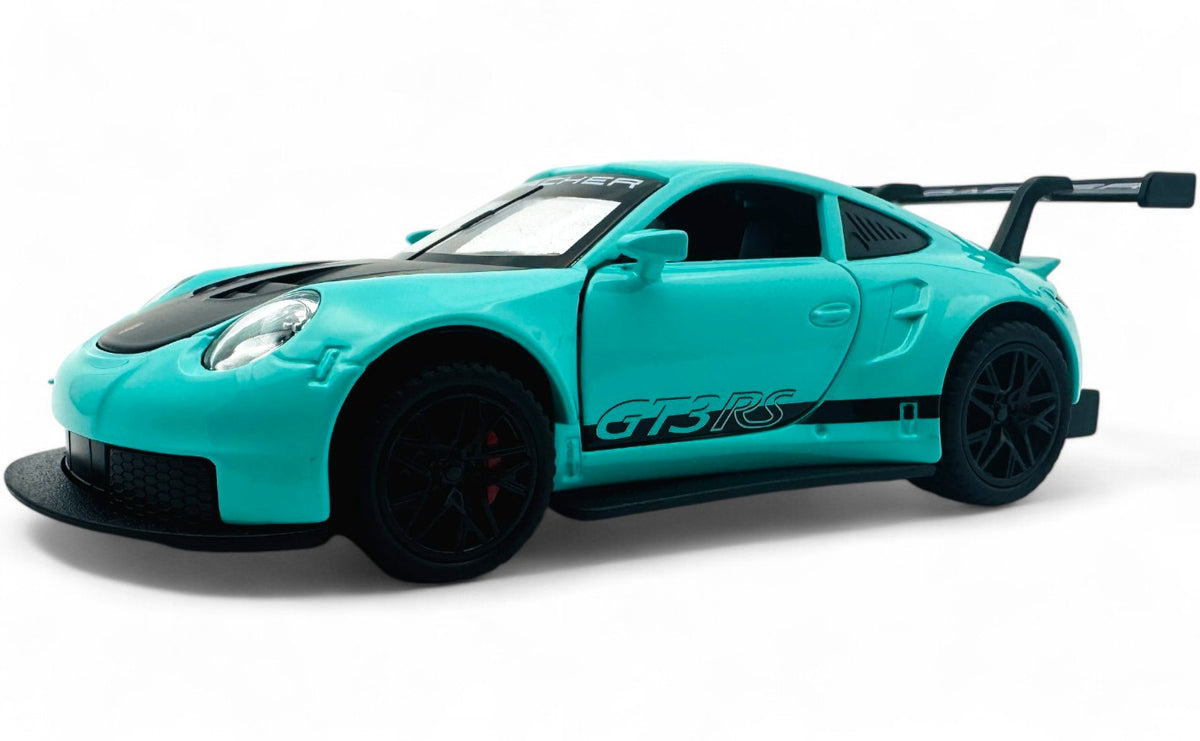
Porsche
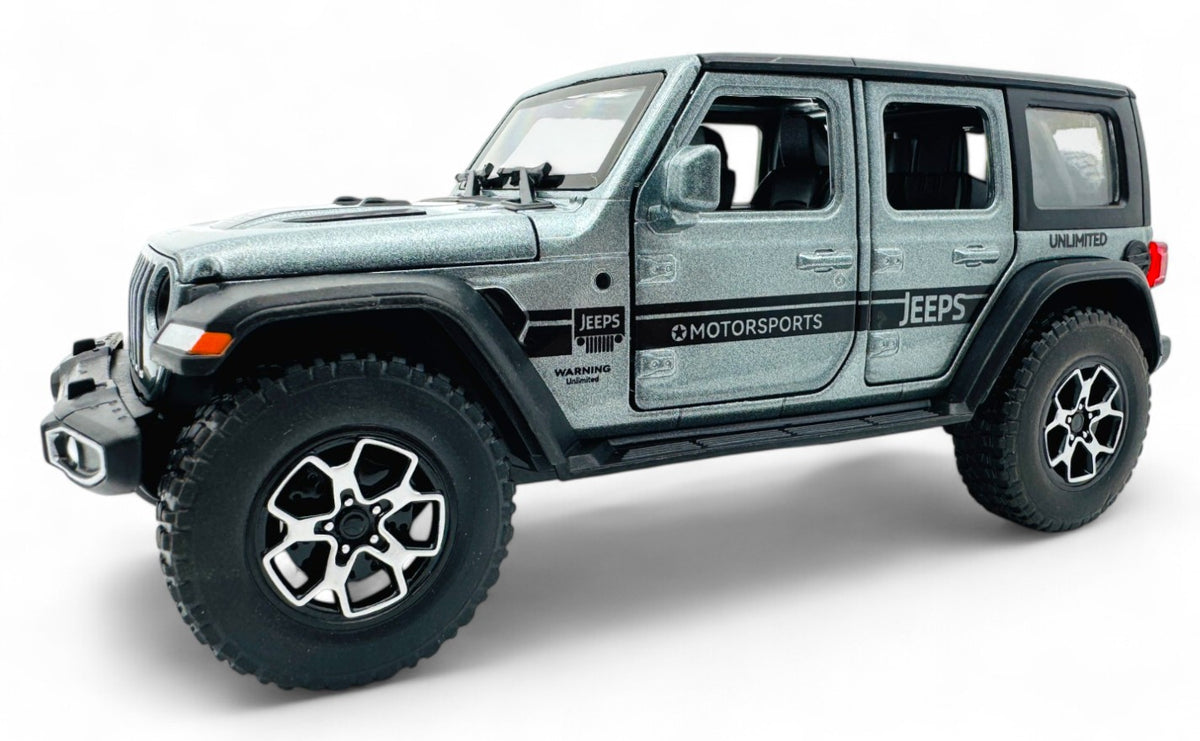
Jeep
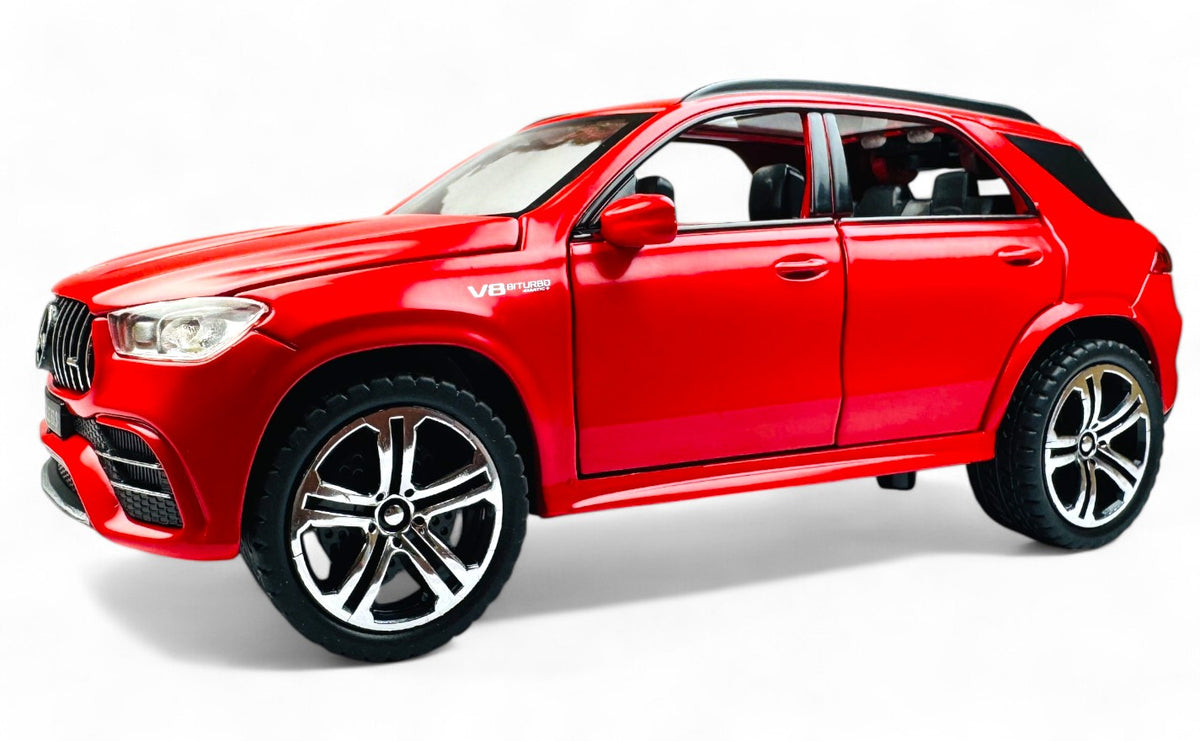
Mercedes-Benz
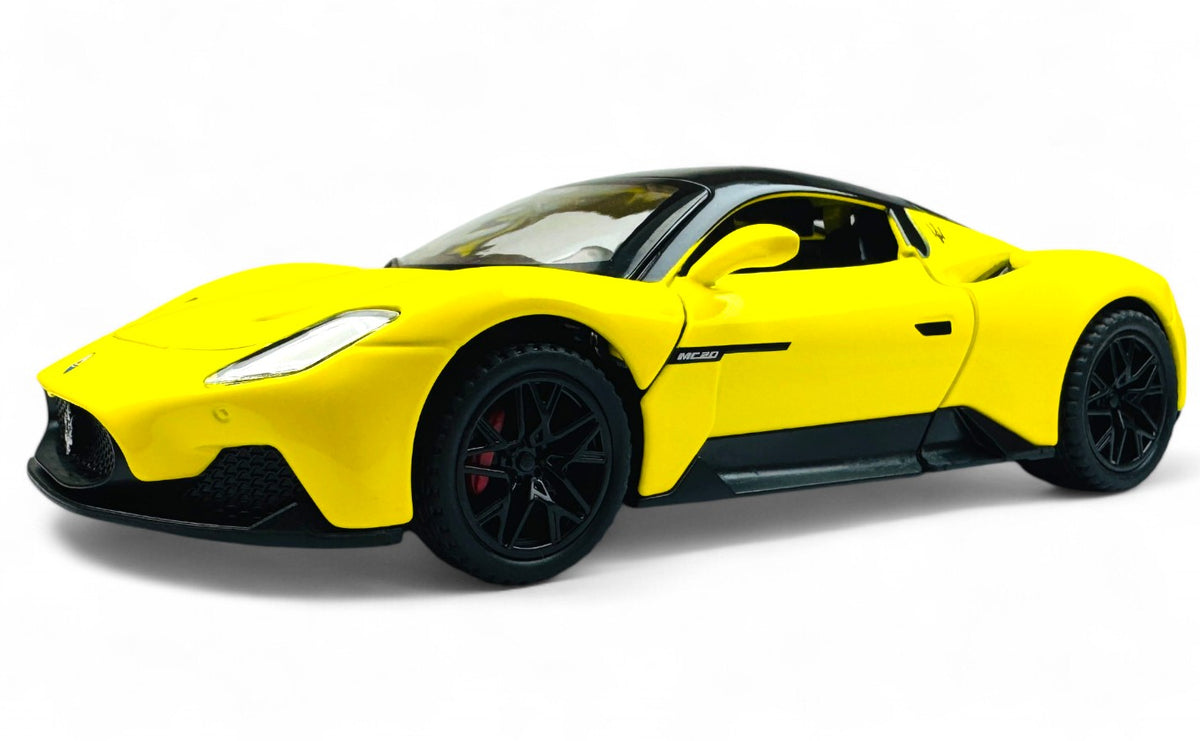
Maserati
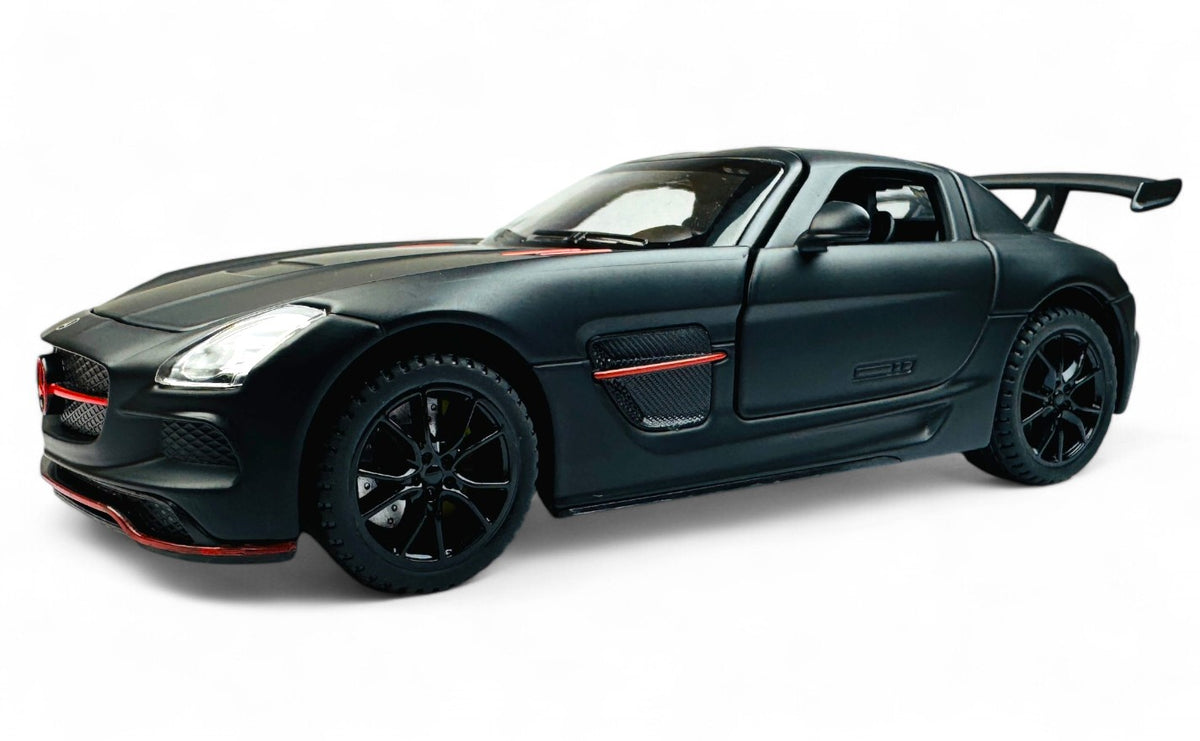
Mercedes-Benz
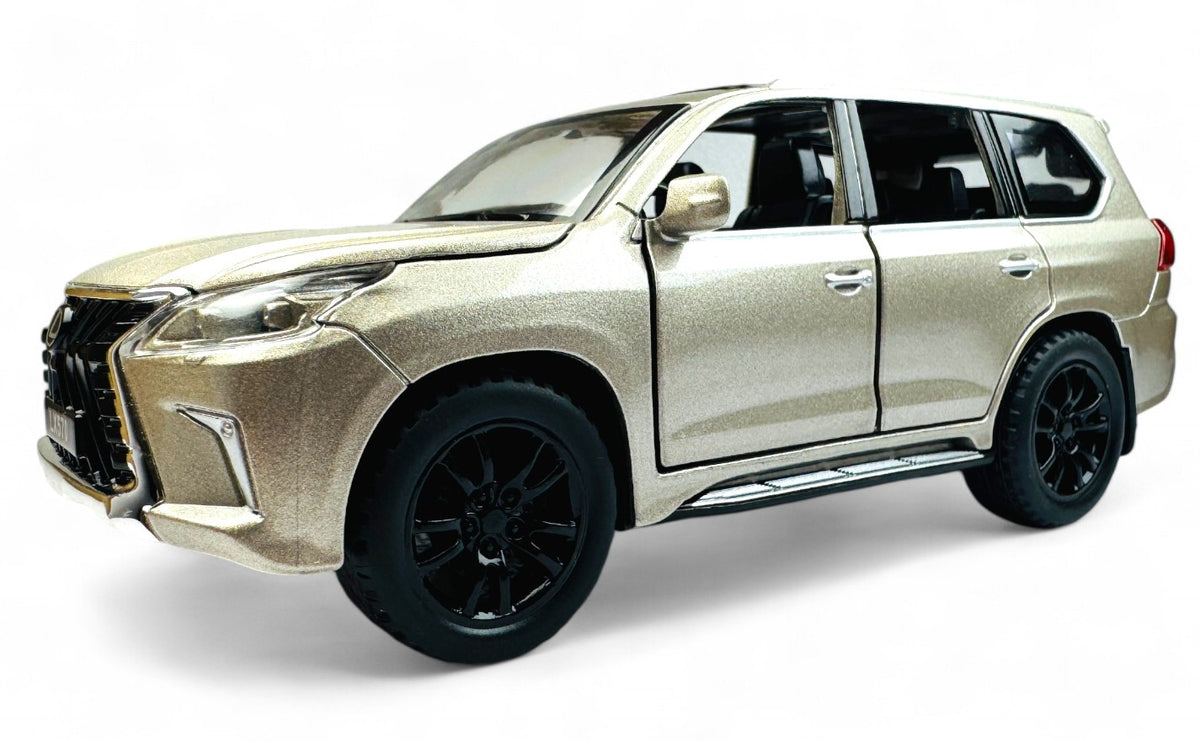
Lexus
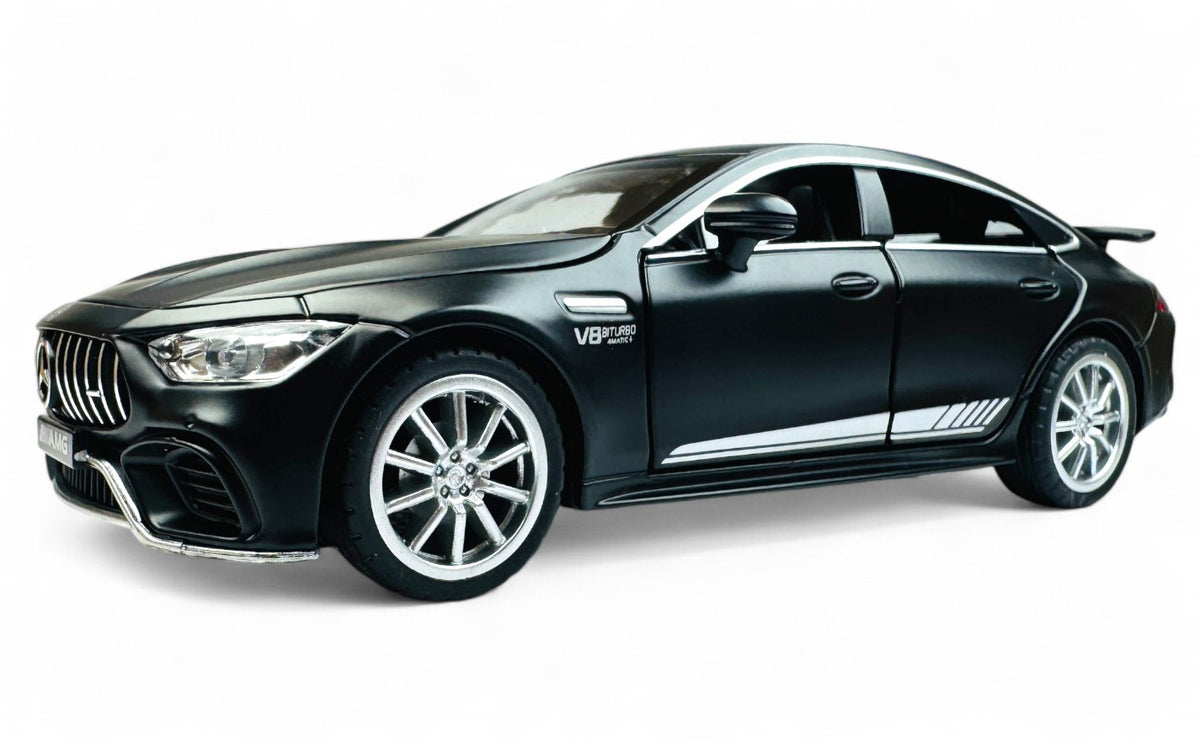
Mercedes-Benz
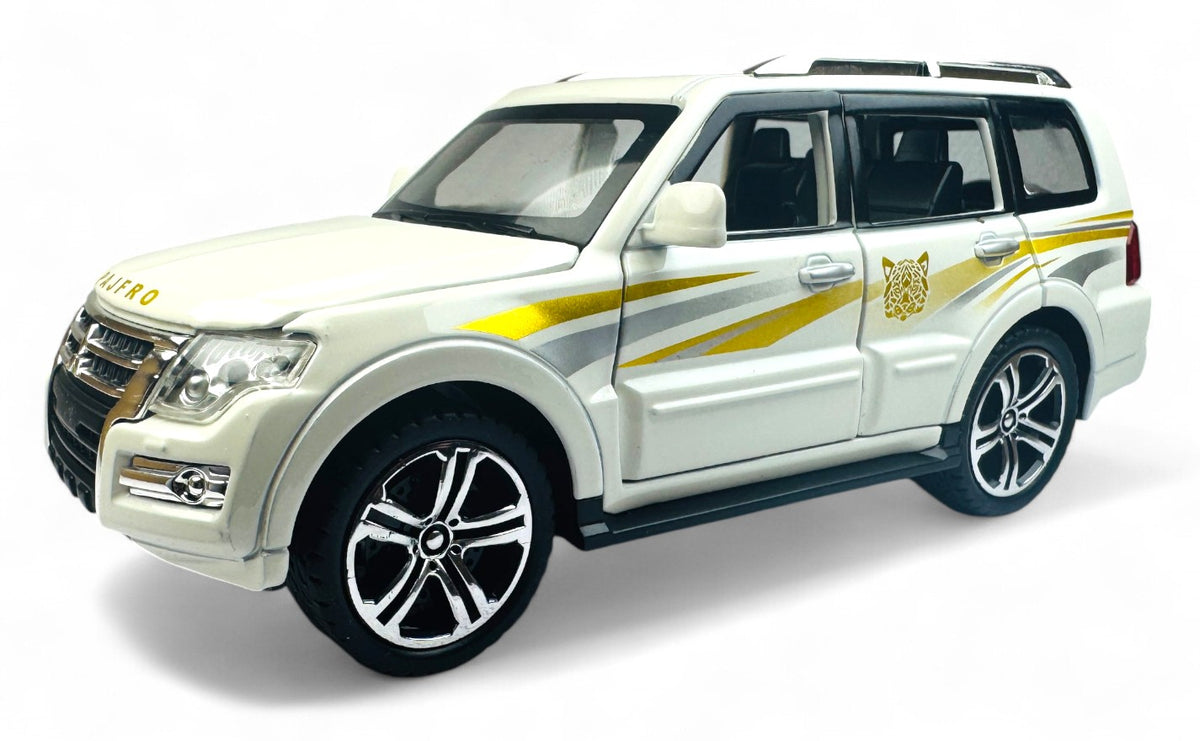
Mitsubishi
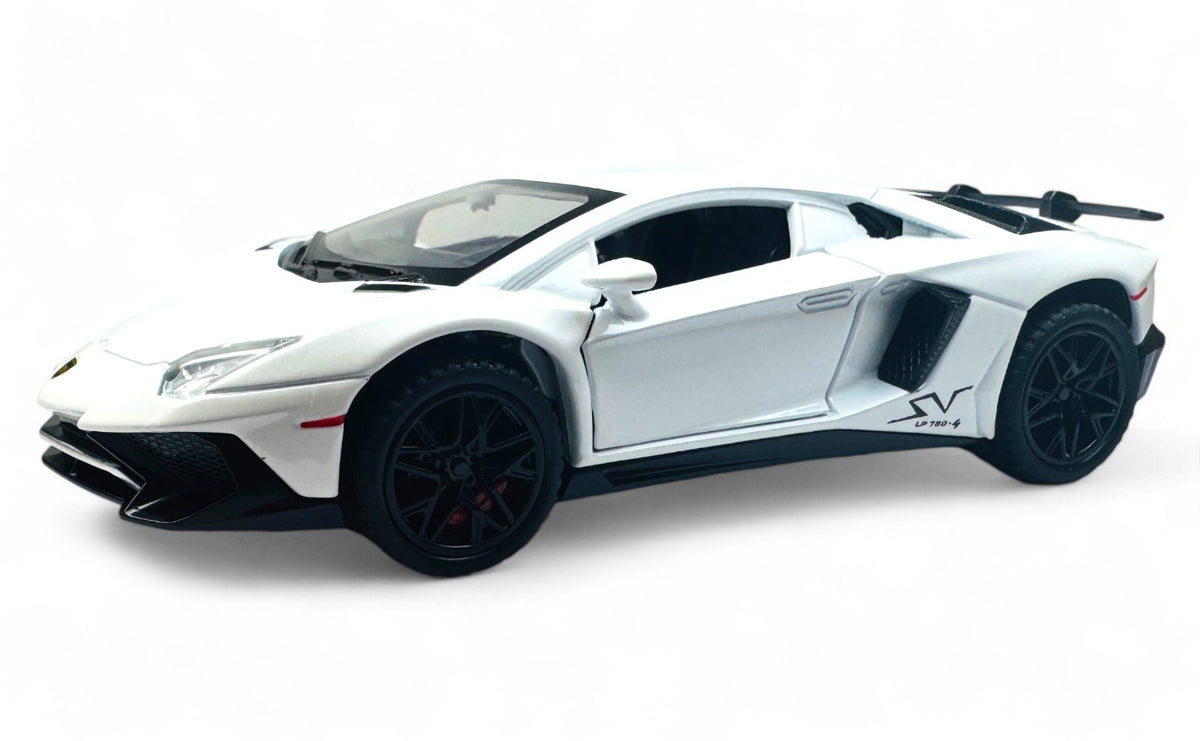
Lamborghini
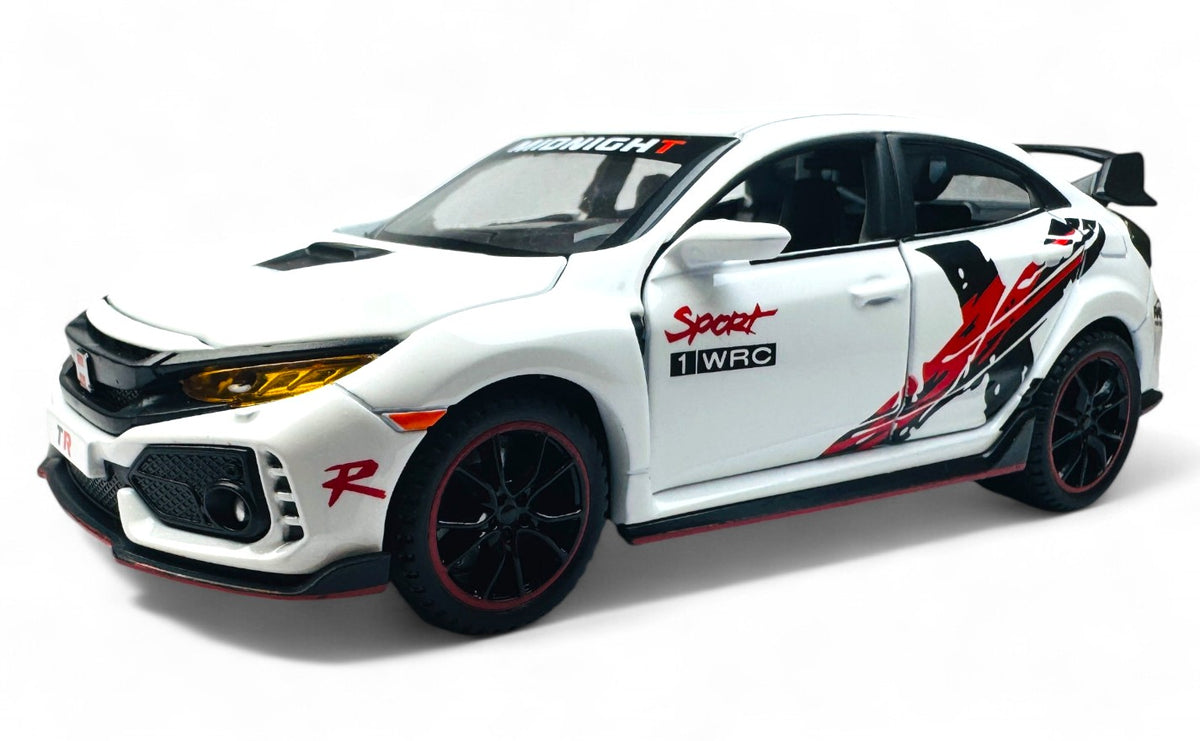
Honda
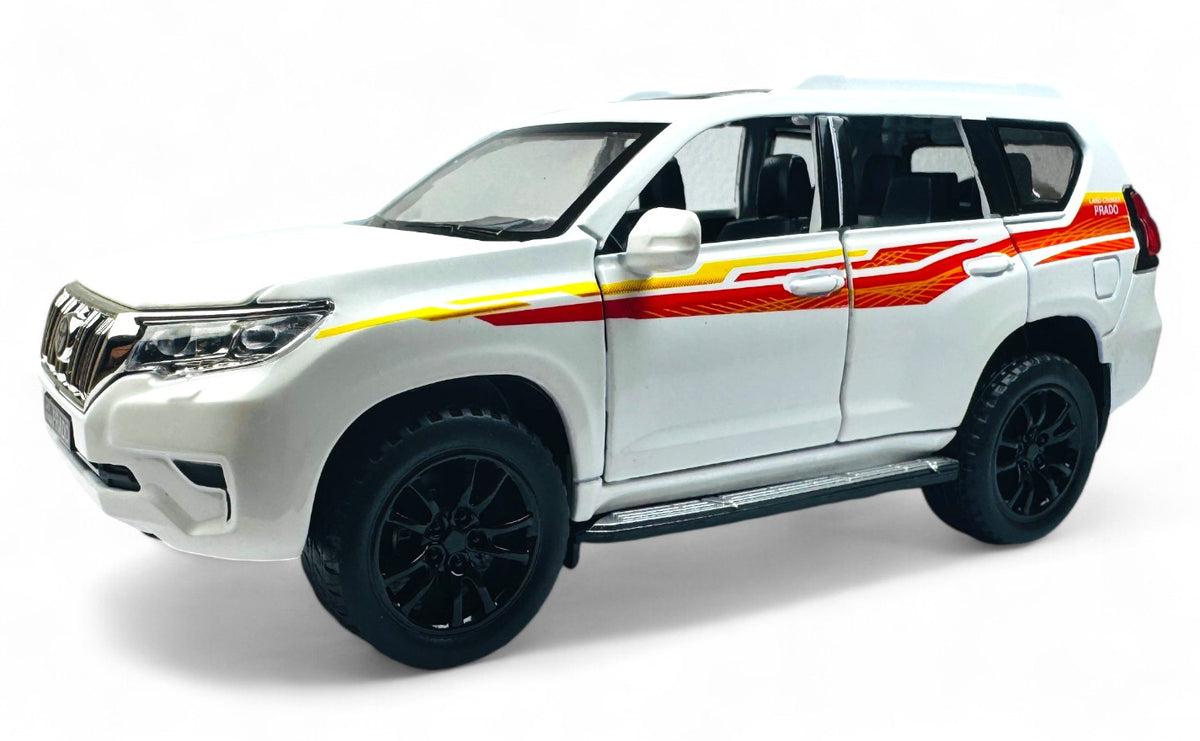
Toyota
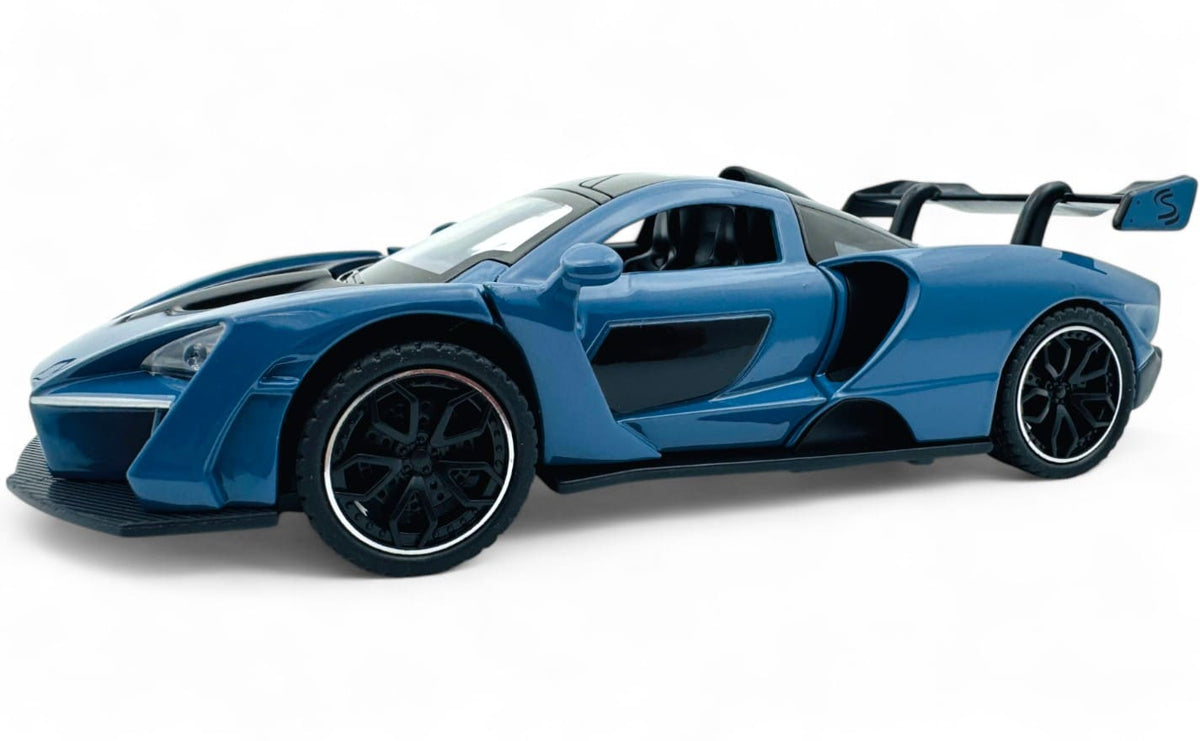
McLaren
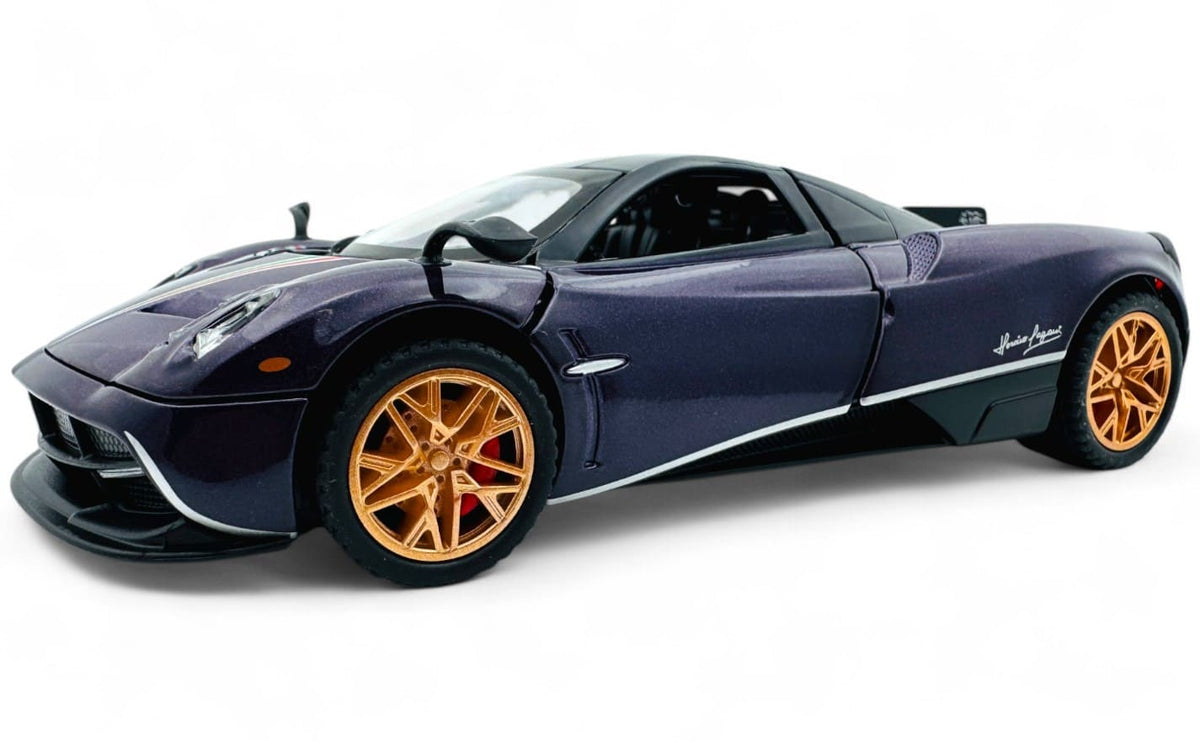
Pagani
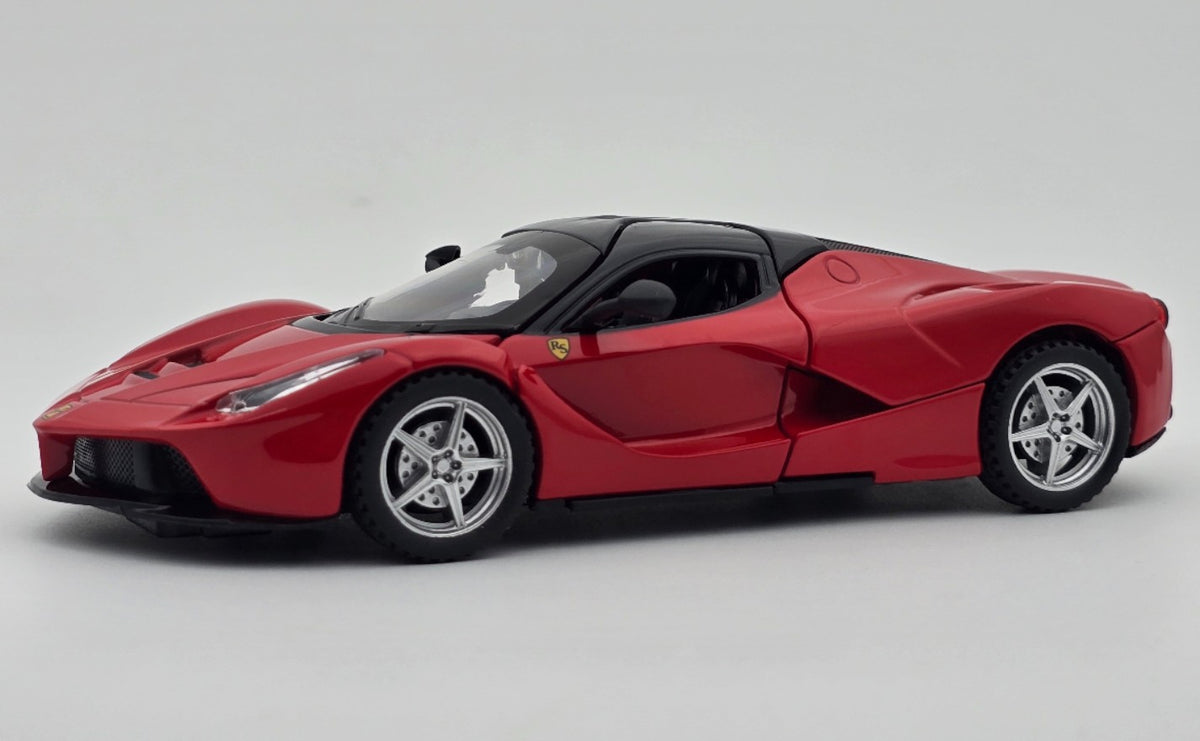
Ferrari
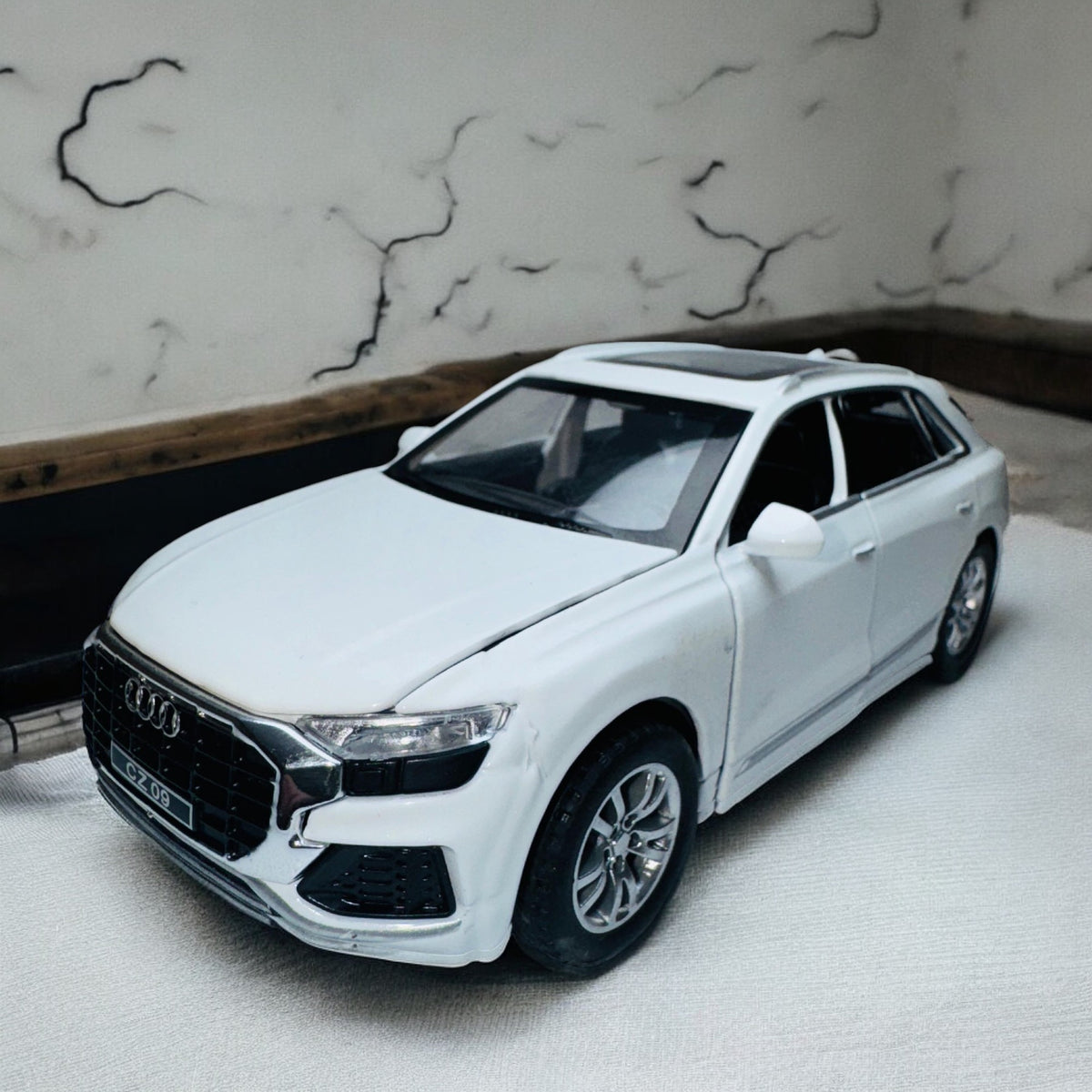
Audi
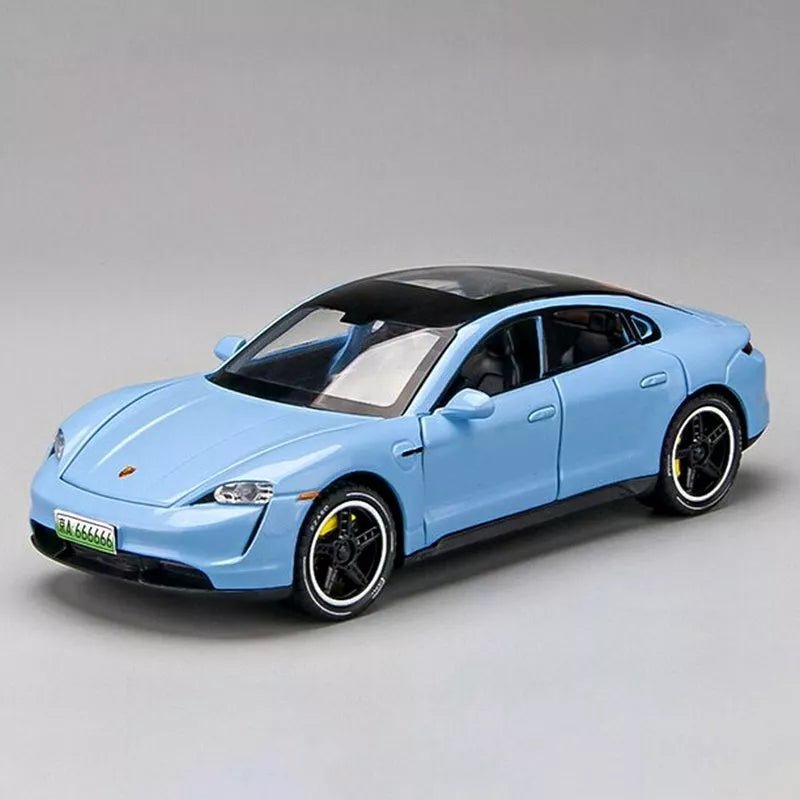
Porsche
BMW
Ford
Mercedes-Benz
Bugatti
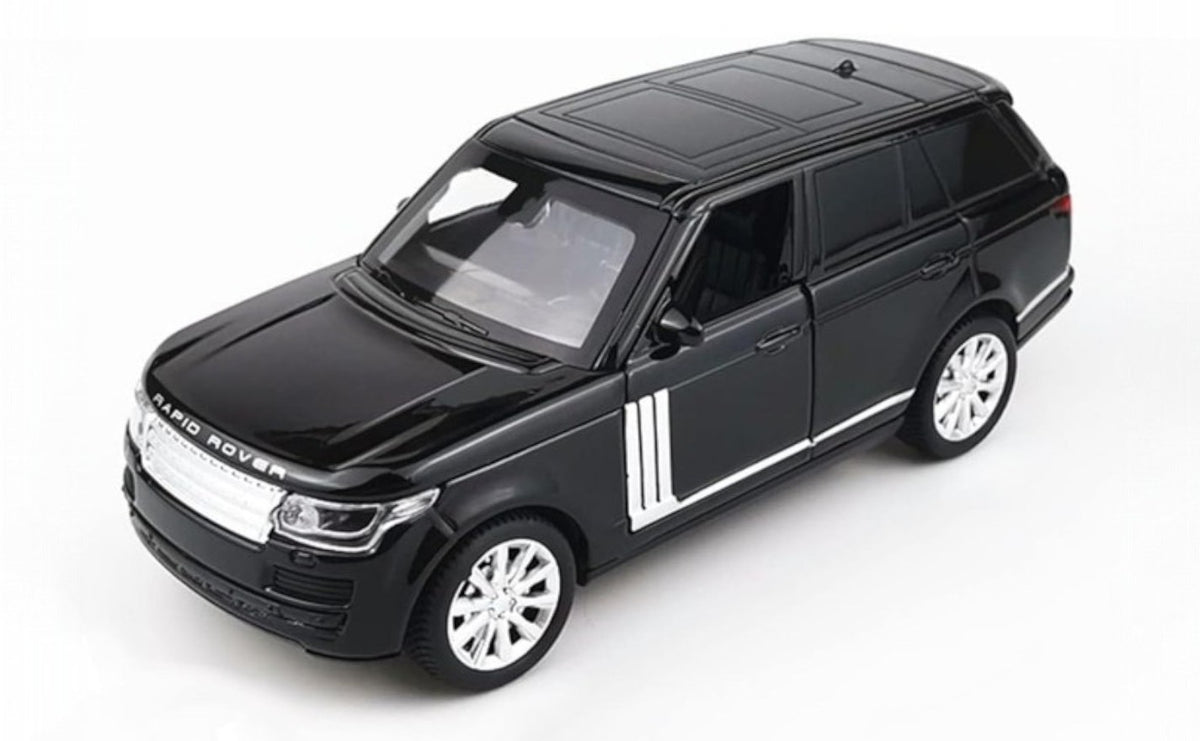
Land Rover
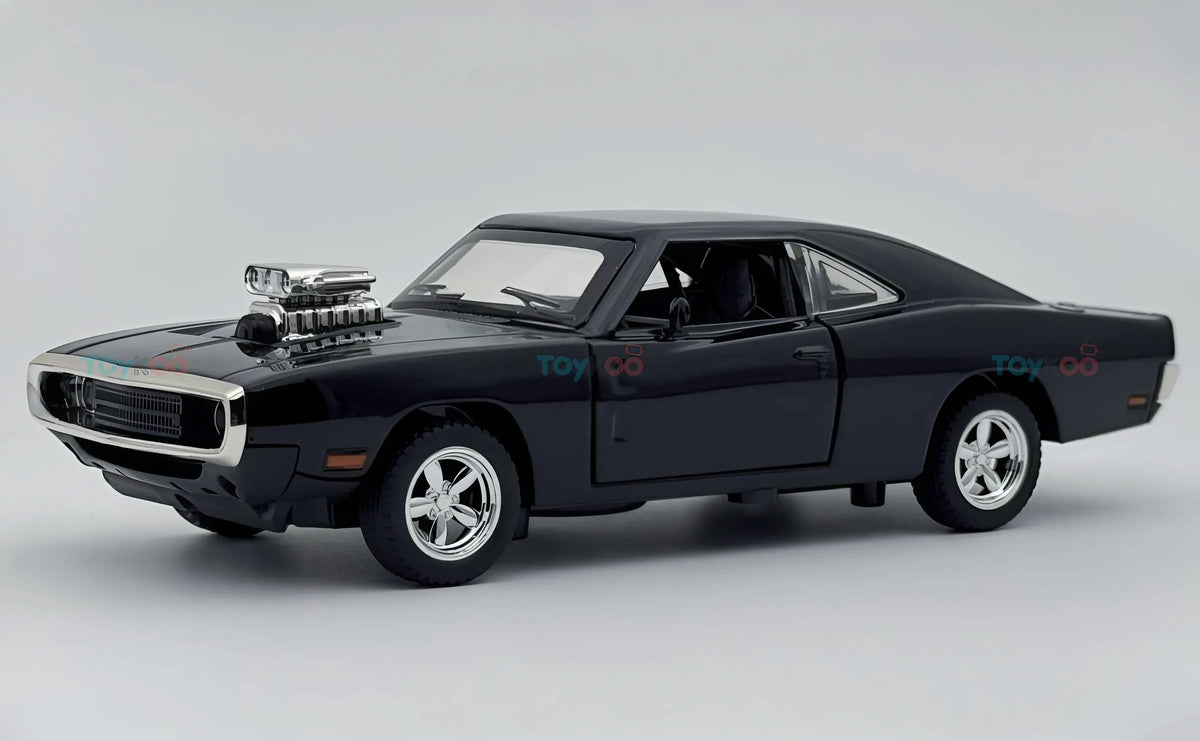
Dodge
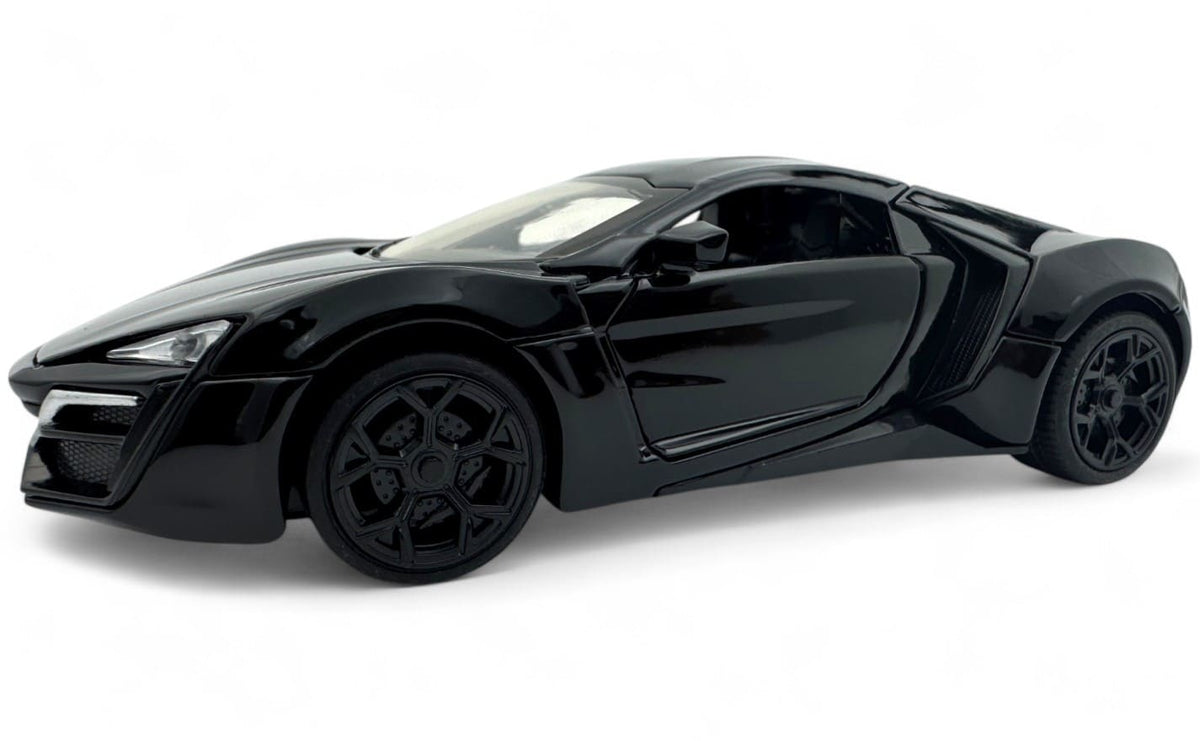
W Motors
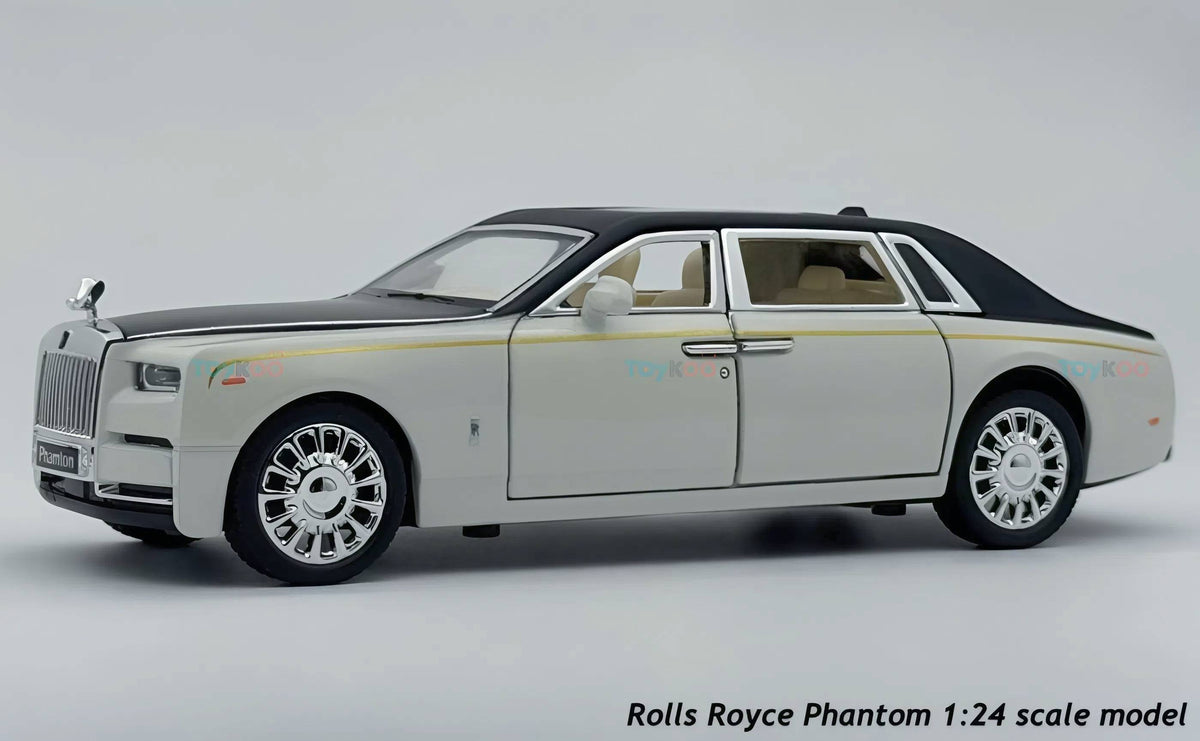
Rolls-Royce
McLaren
Porsche
Rolls-Royce
Nissan
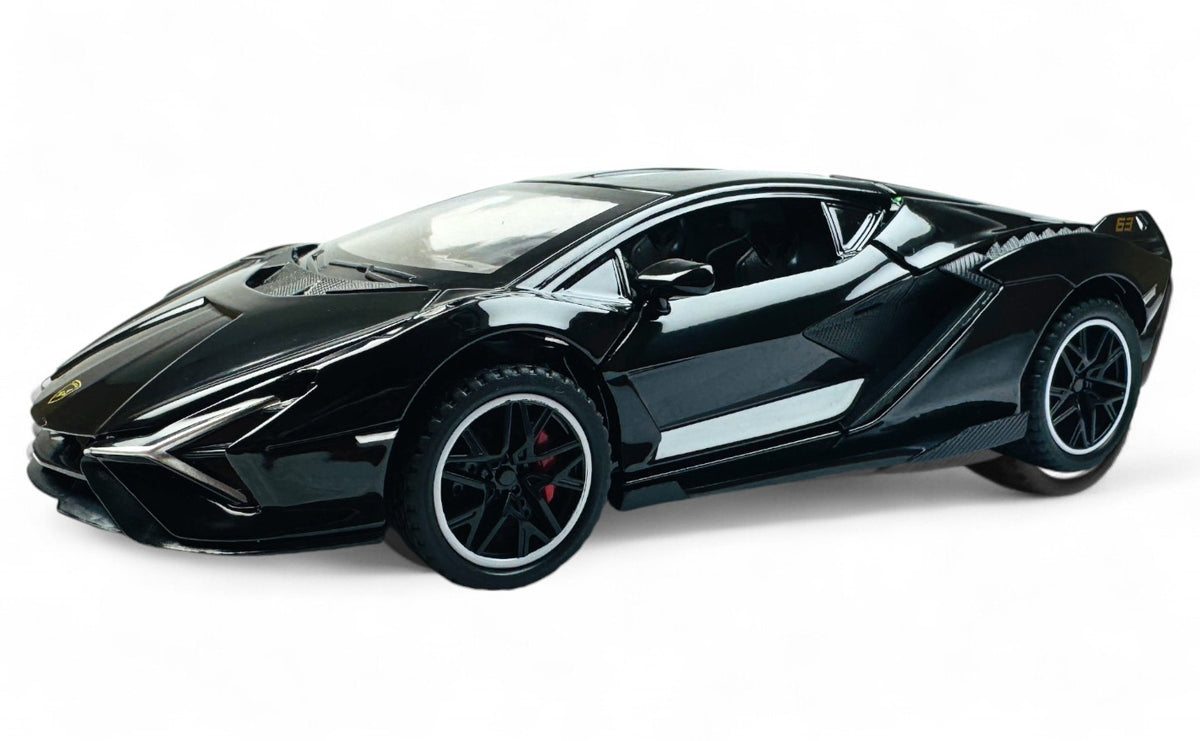
Lamborghini
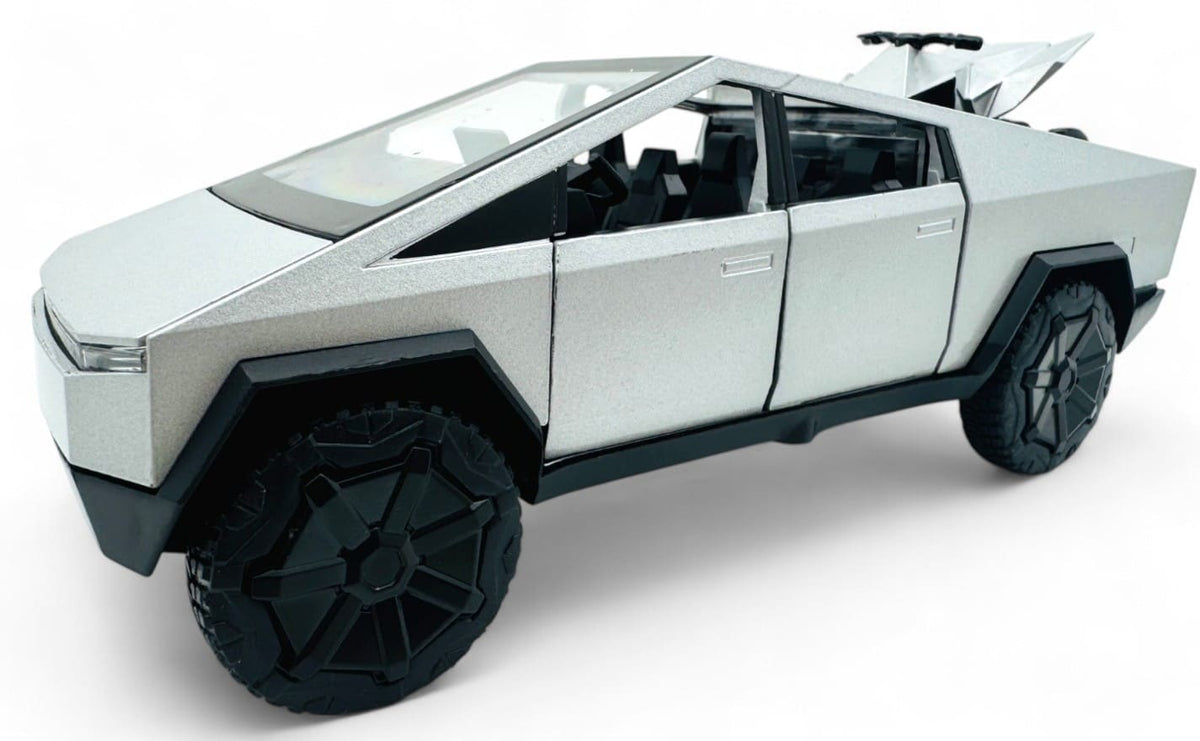
Tesla
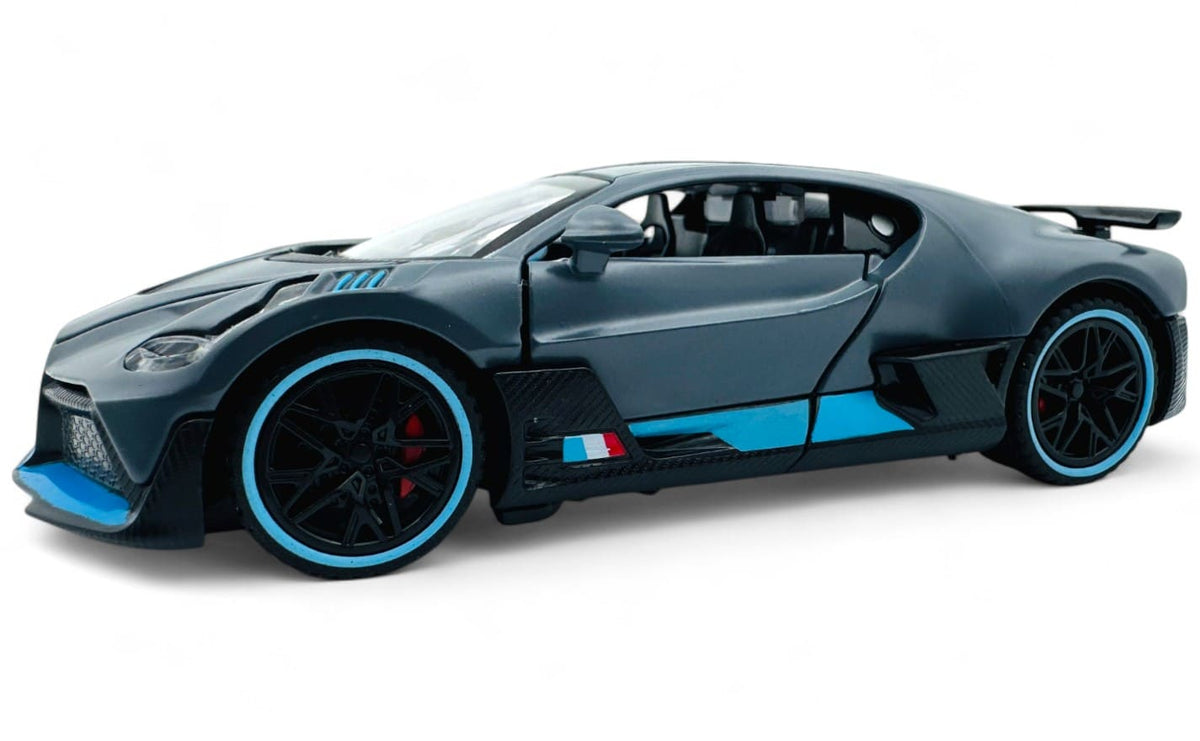
Bugatti
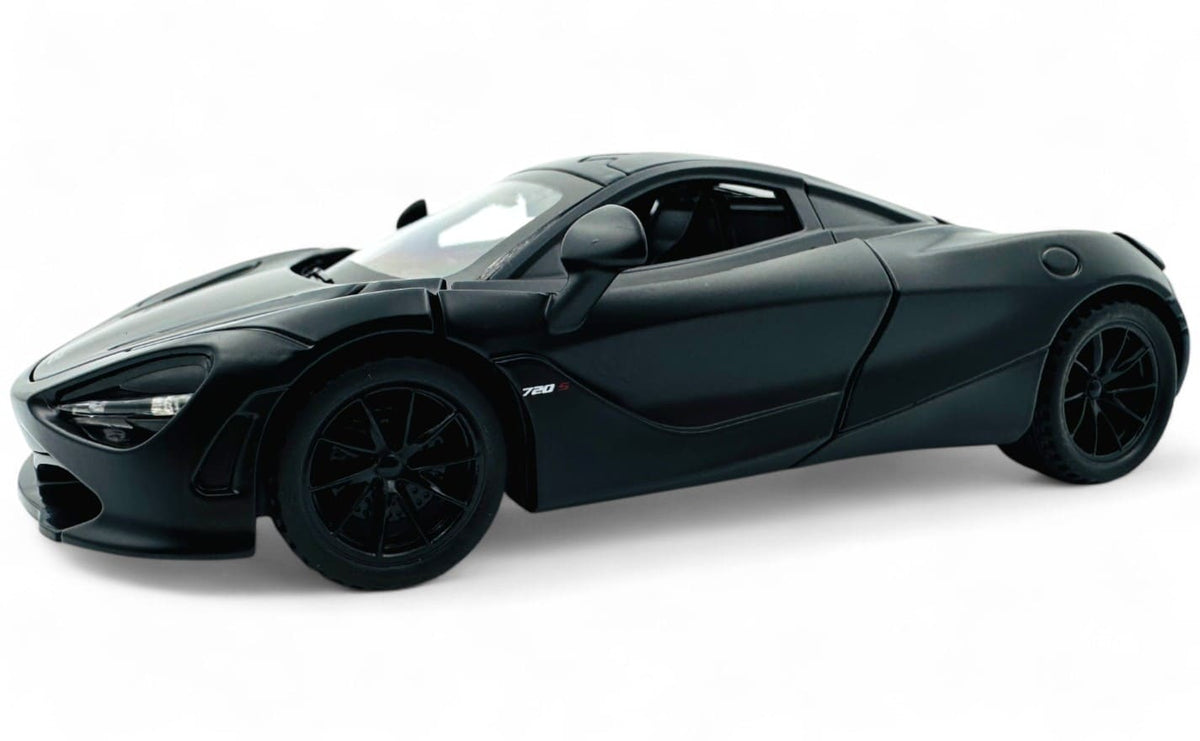
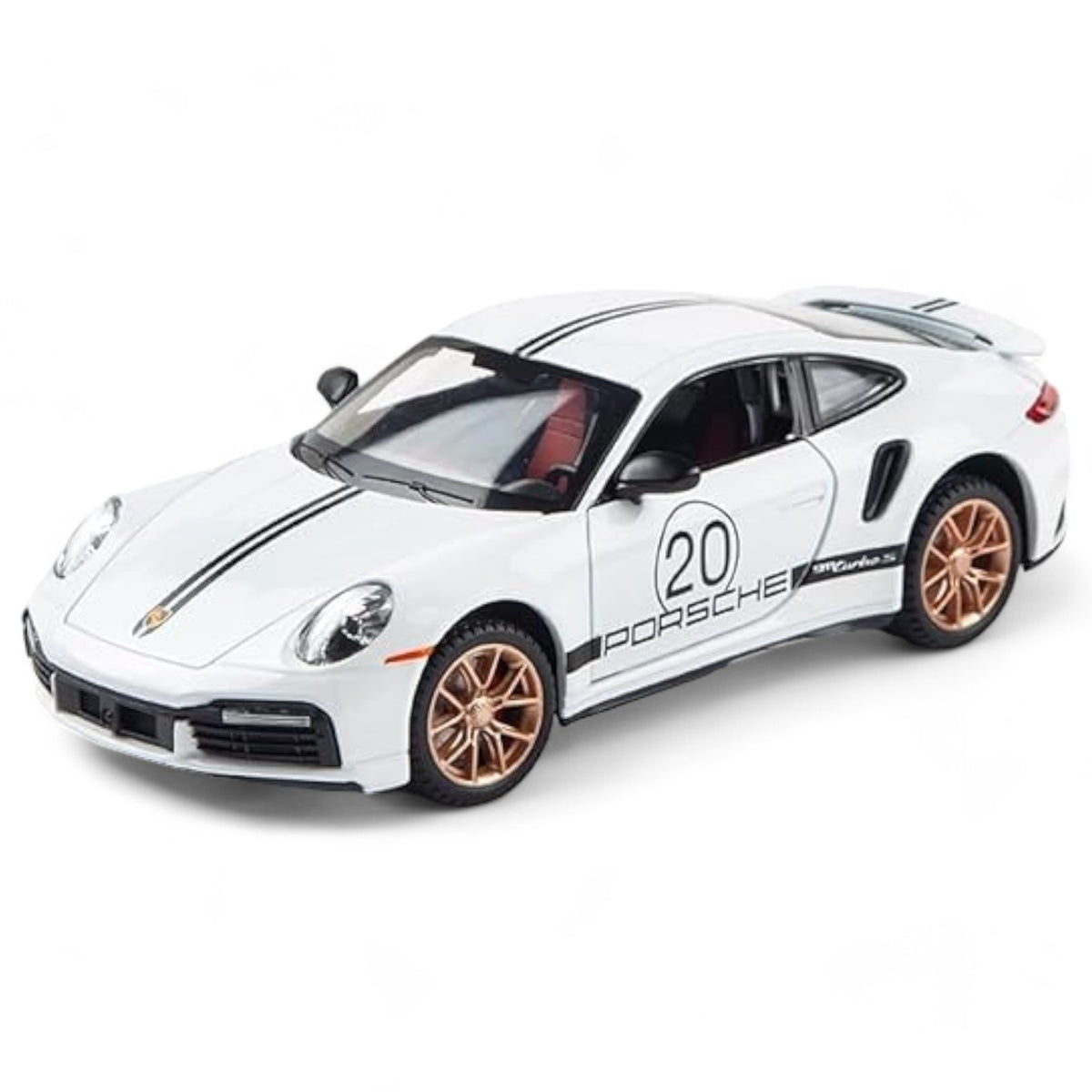
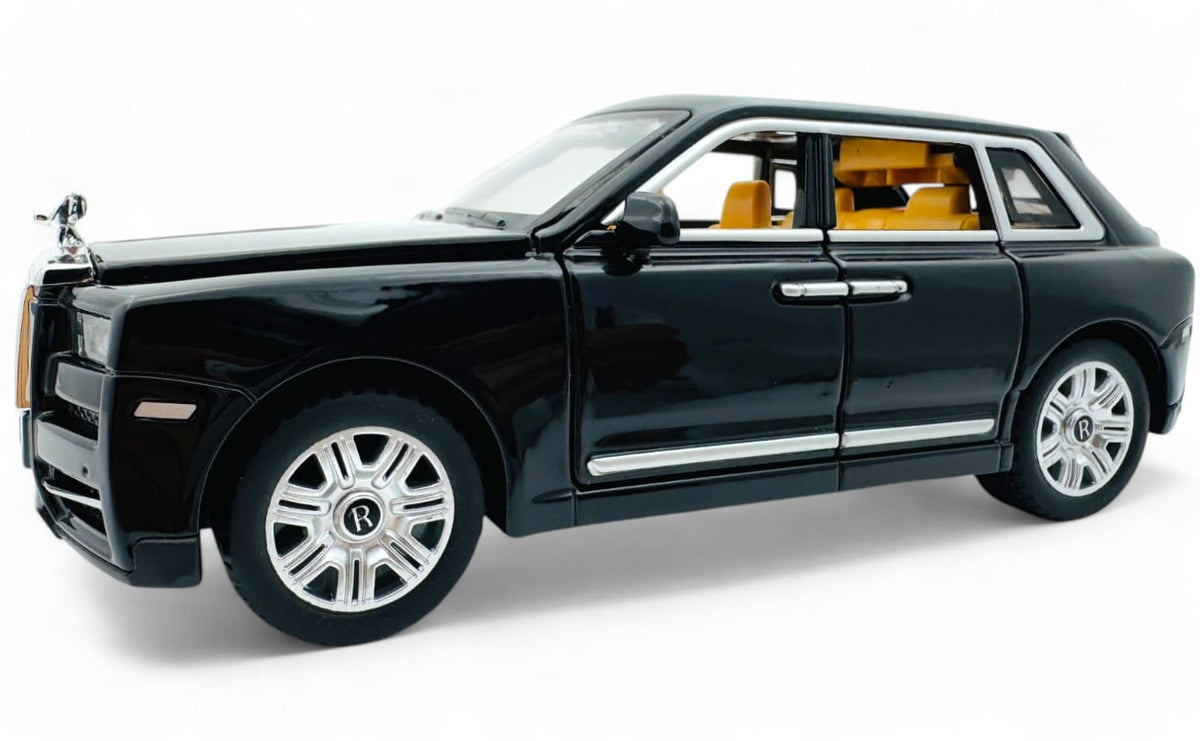
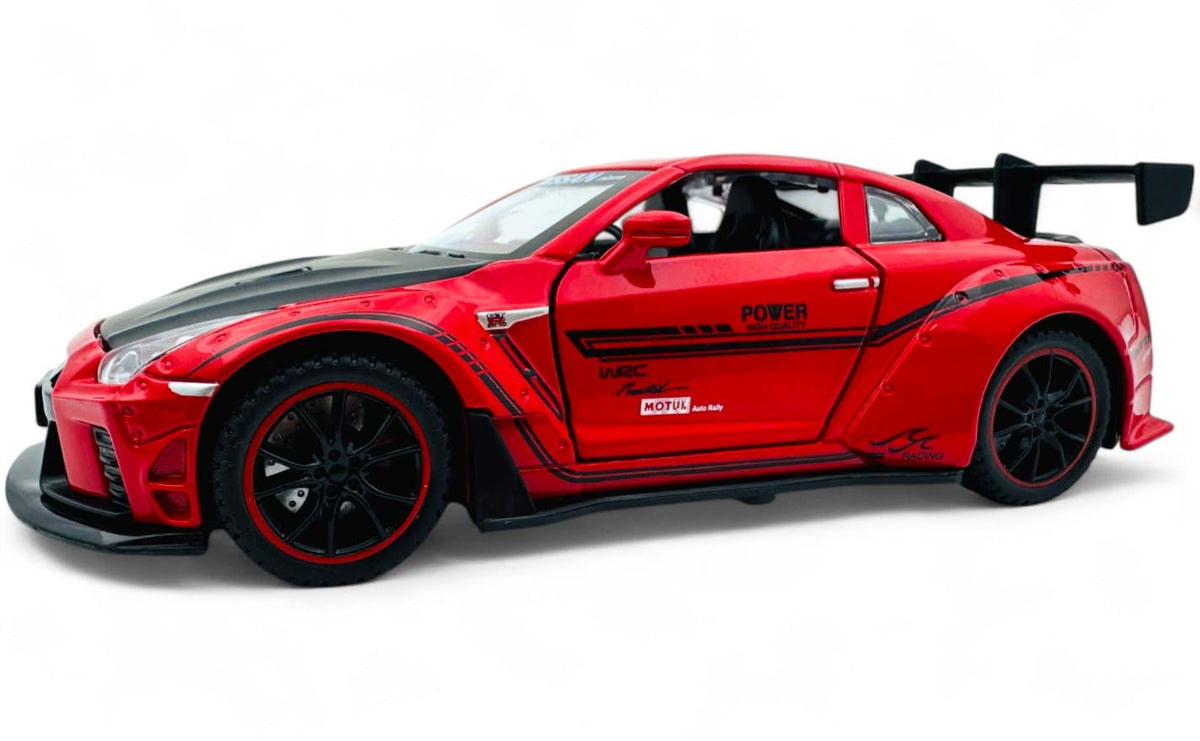
1:24 is where most collections start. At around 19 cm a model is big enough to have opening doors and a detailed dashboard, small enough that six of them fit on a normal bookshelf. Almost everything in this collection has a pull-back motor and working lights with an engine sound, which makes them the models we recommend for a car-mad ten-year-old as much as for an adult desk.
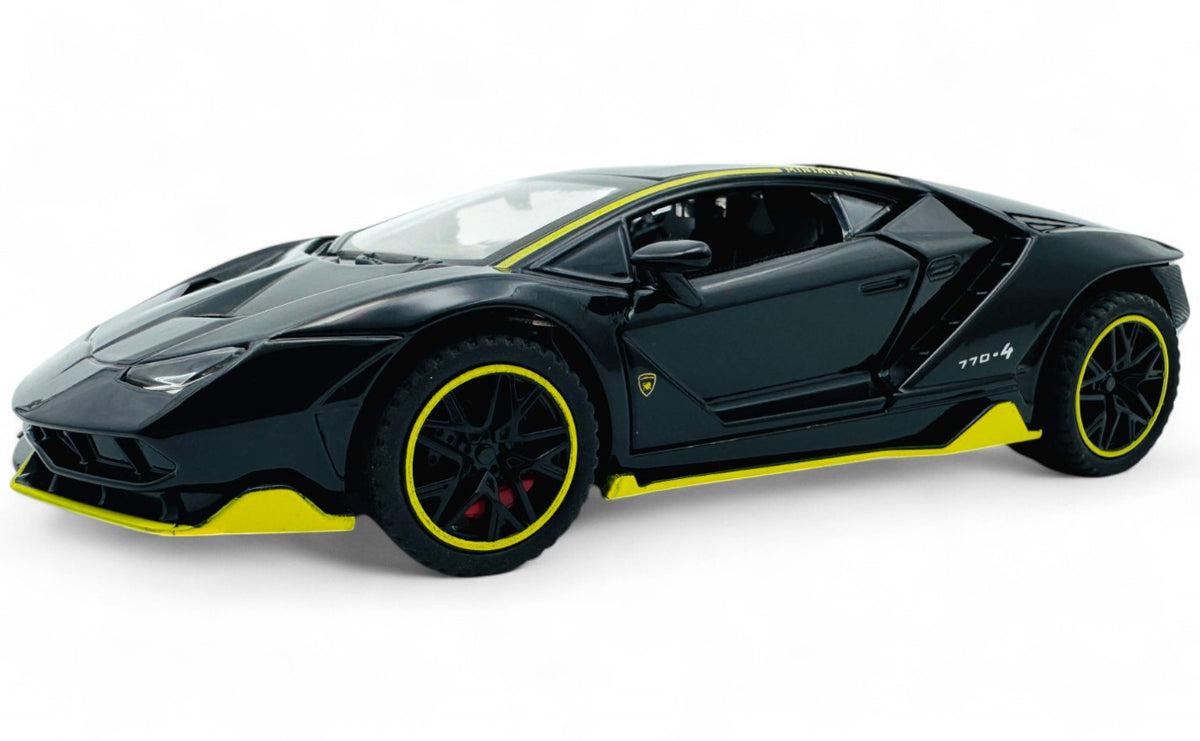
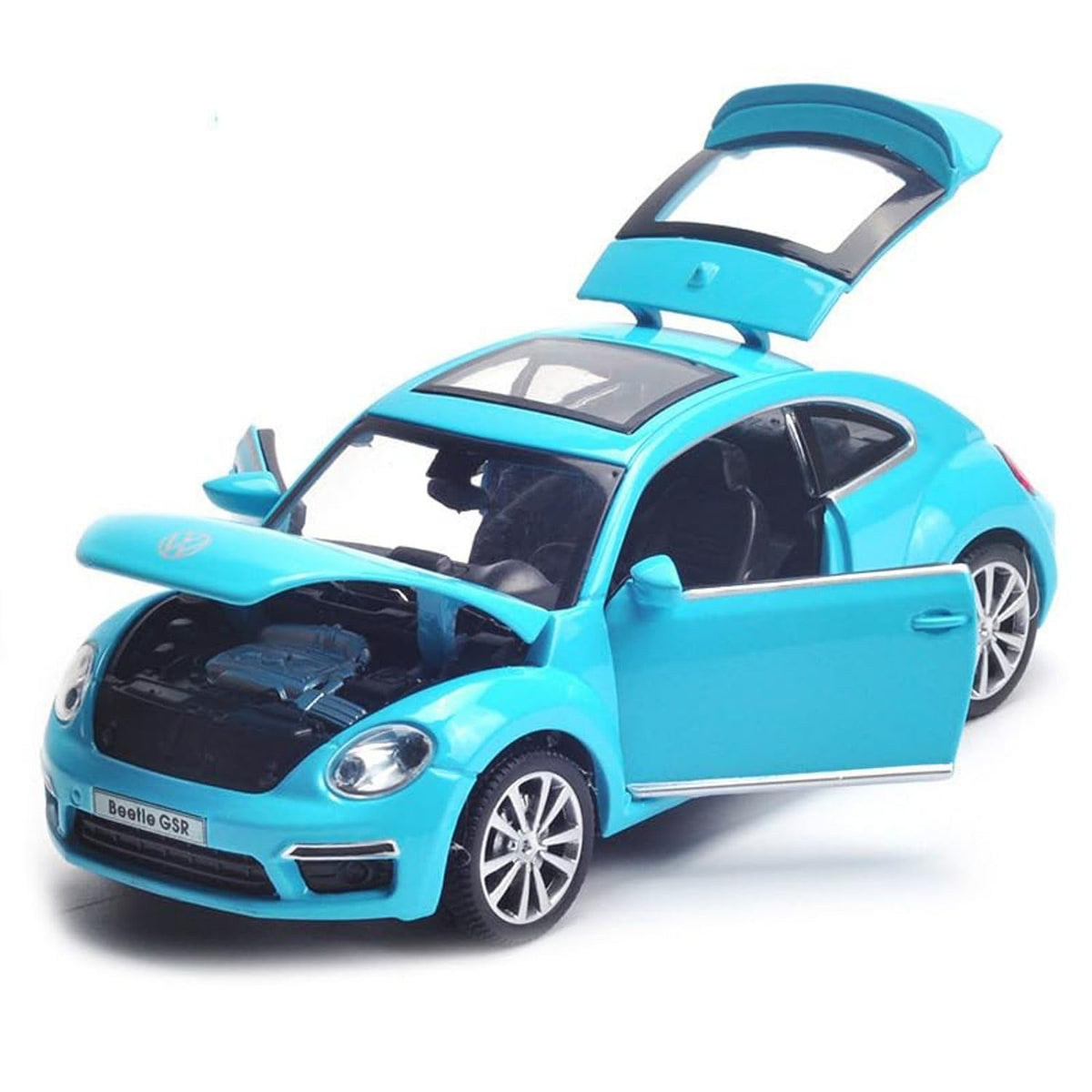
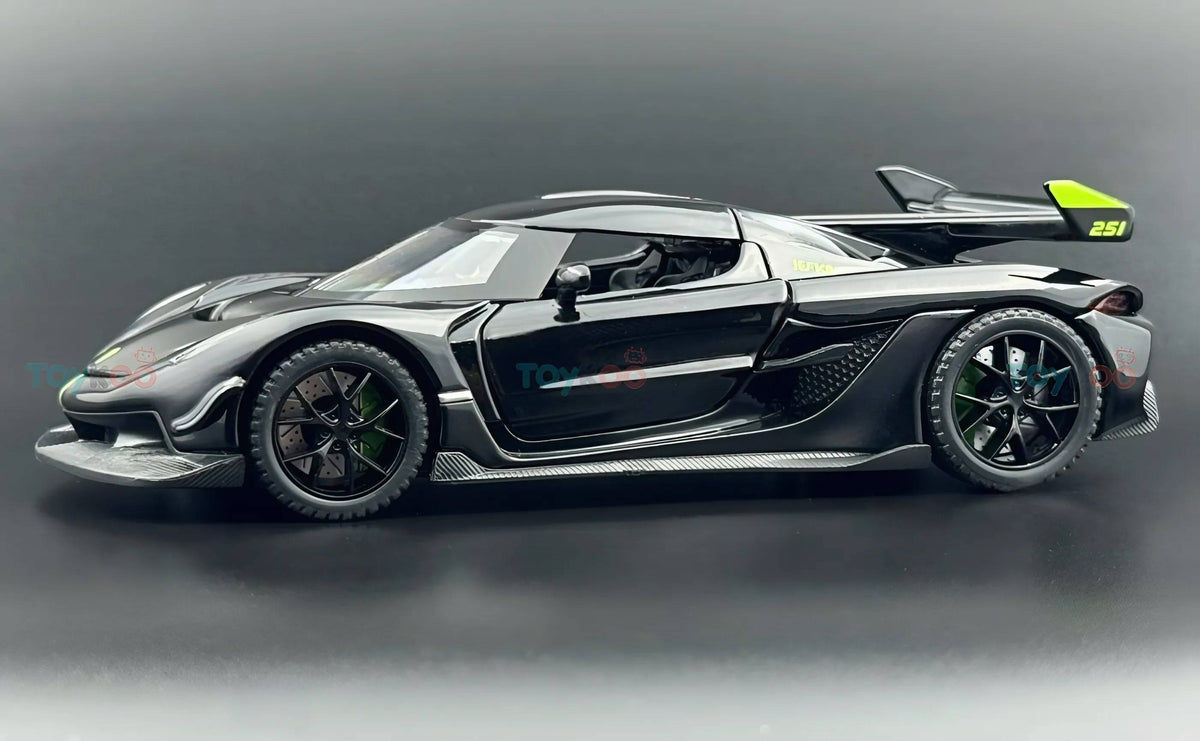
The line-up covers the popular and the odd: Defender 110 and Jeep Wrangler for the off-road crowd, Skyline R34, Supra and AE86 for JDM fans, the Beetle and the VW camper for nostalgia, plus supercars from Lamborghini, Bugatti, Koenigsegg and McLaren. Several come in more than one colour; the product page lists the options.
Because these are pull-back cars, the floor pan is plastic and the body is metal. That is normal for the scale and keeps the price around ₹1,500. The paint is still sprayed, not moulded, and badges are printed rather than stickered.
1:24 hits a balance nothing else does. The body is still metal, so the model has weight and takes a proper paint finish. The doors, bonnet and boot still open. But the tooling is cheaper than 1:18, the box is a third of the size, and the price lands around ₹1,500 instead of ₹2,500. That is the difference between owning one car and owning a garage.
It is also the scale that manufacturers add features to. Almost everything here has a pull-back motor, working LED headlights and tail lights, and an engine sound, none of which are common at 1:18 where the market expects a purer display piece. That makes 1:24 the right choice if the model is going to be handled as well as looked at.
The body shell is die-cast zamak, the same alloy as the 1:18 models, and typically weighs 120 to 160 g. The chassis is ABS plastic, which is a deliberate choice: it houses the pull-back motor, the battery tray and the sound board, and a metal floor would double the price for no visible gain. Doors and bonnet are cast metal on most models here; on a few, the boot lid is plastic to keep the pull-back mechanism clear.
Paint is a primer, one or two colour coats and a clear coat. Badges and grille detail are tampo-printed. The wheels are plastic rims with rubber tyres, and the front wheels are usually fixed straight rather than steerable, because the pull-back gearbox sits where the steering linkage would go. Windows are clear polycarbonate. The interior is a single moulded tub, painted in two tones on the better models.
What all this means in practice: expect the model to look right from a metre away and good from 30 cm. Expect the doors to open and shut cleanly. Do not expect photo-etched badges or carpet; that is what 1:18 is for.
Several 1:24 models are produced in three or four colours and we stock whichever the factory shipped most recently. If a product page lists colours, the photo shows the one currently in stock; if you want a specific colour, message us before ordering and we will tell you what is on the shelf. Where the same car exists in 1:18 and 1:24, the product page links to both so you can compare the price and features side by side.
These are the models we recommend for children from about six upwards. The pull-back motor gives them something to do, the lights and sound are a novelty that lasts, and the metal body survives being dropped from a table far better than a plastic toy. The parts that break are doors forced past their stop and mirrors caught on a sleeve. Show a child how the doors open once and most learn to be careful. They are not suitable for children under three because of small parts and button cells.