
62% off1:18
Audi
Audi RS6 C7 DTM by GT Spirit 1:18 Resin Model
(126)
₹2,299₹5,99962% off
The large size. About 25 to 28 cm long, with the detail to match. Listings call them big size or big metal toy cars; collectors call them 1:18.
30 models · from ₹2,199 · free shipping
Audi
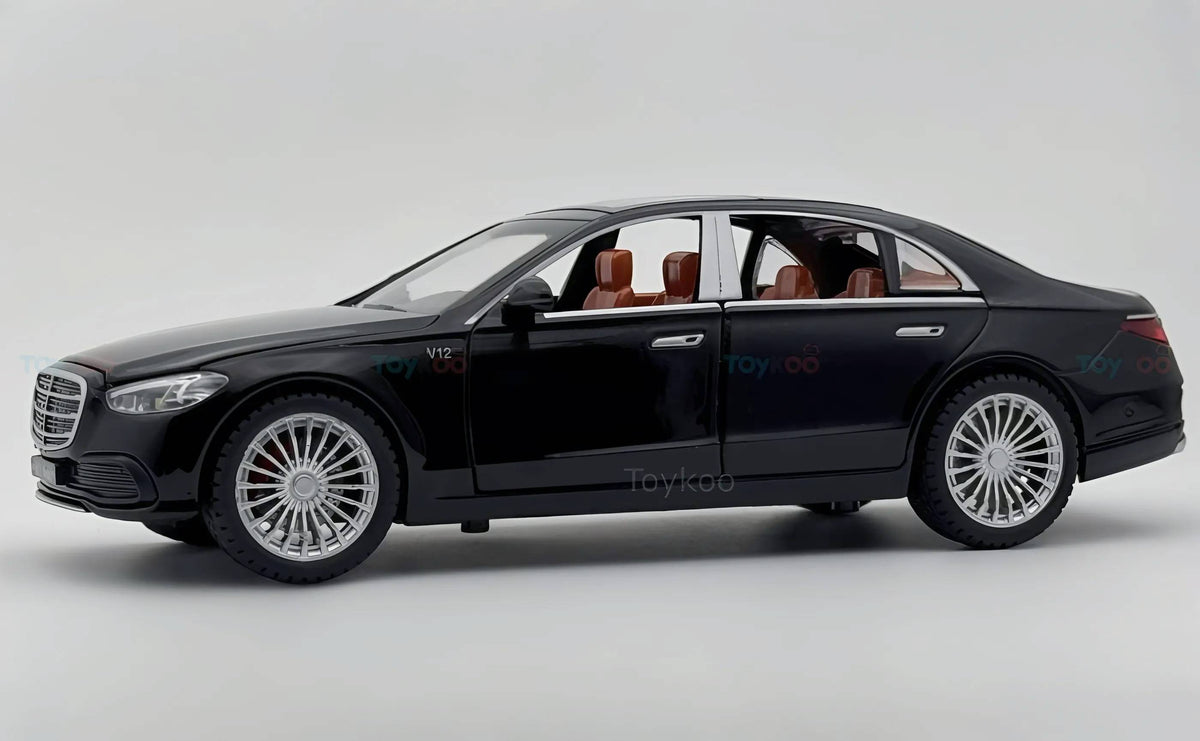
Mercedes-Benz
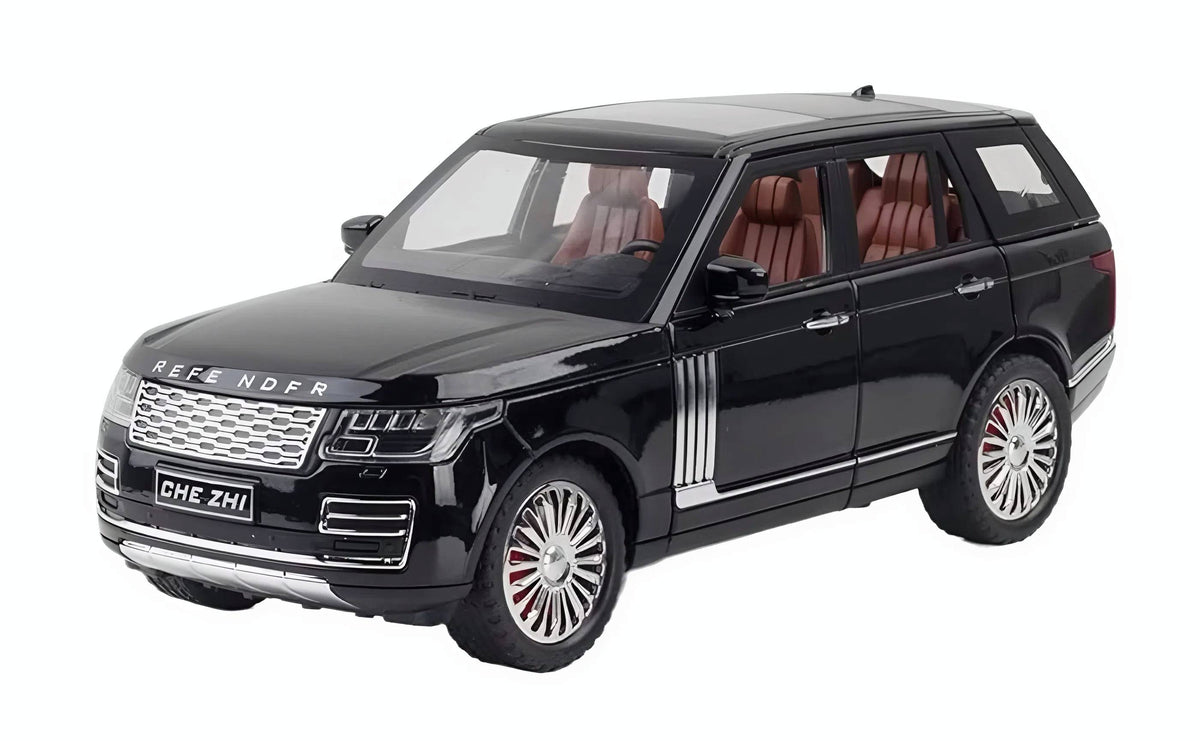
Land Rover
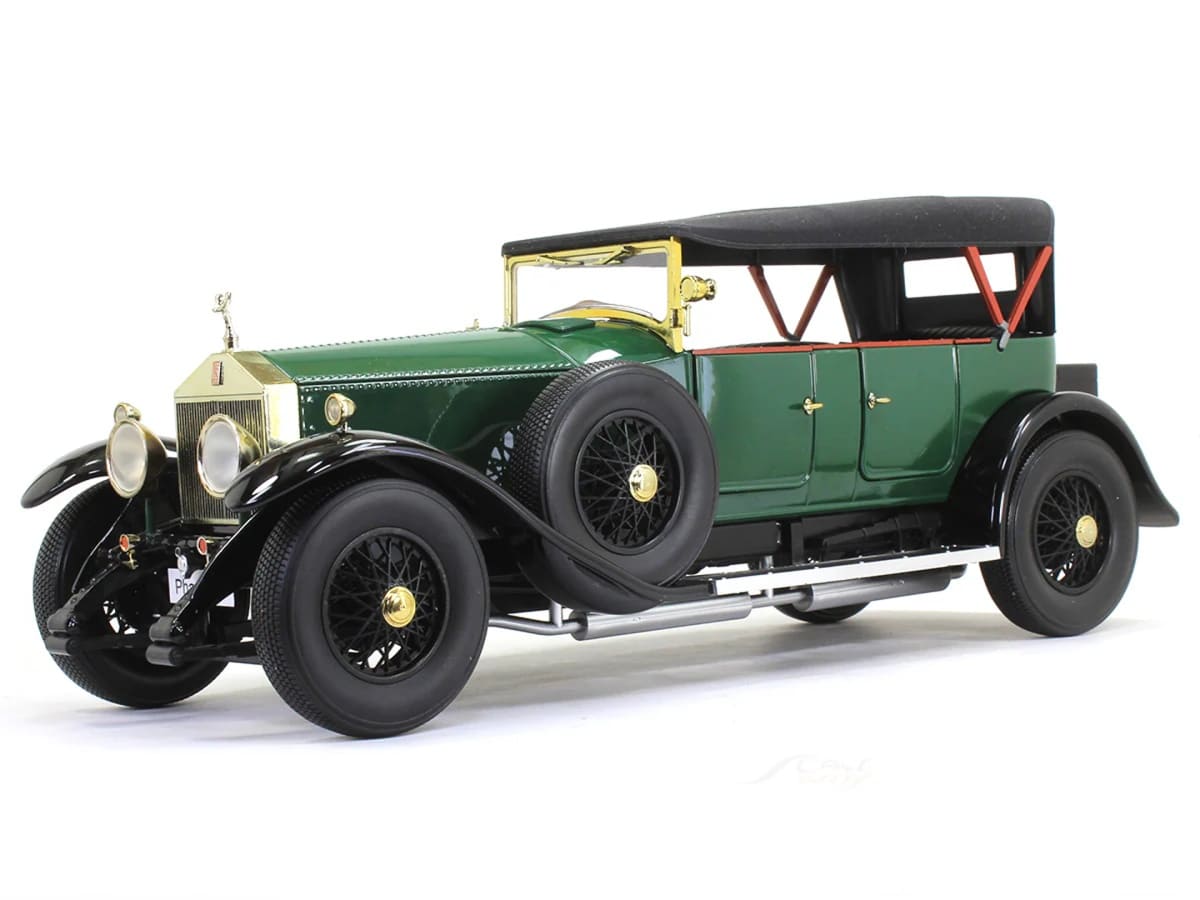
Rolls-Royce
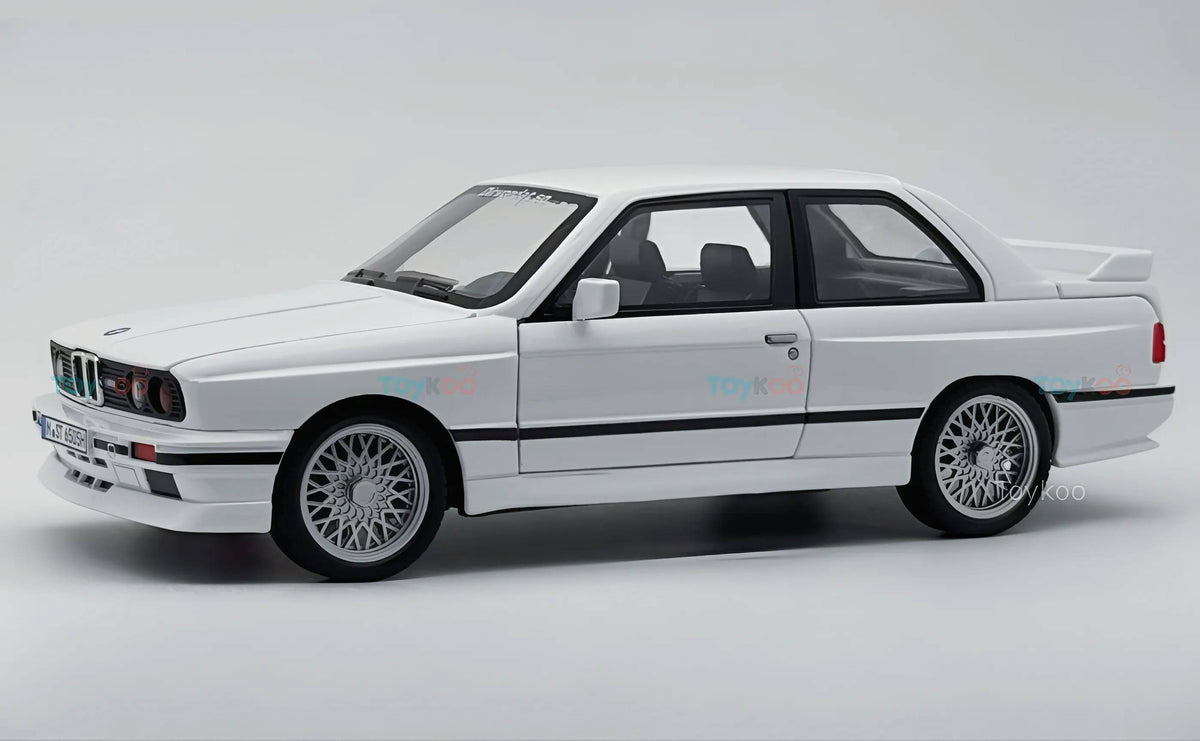
BMW
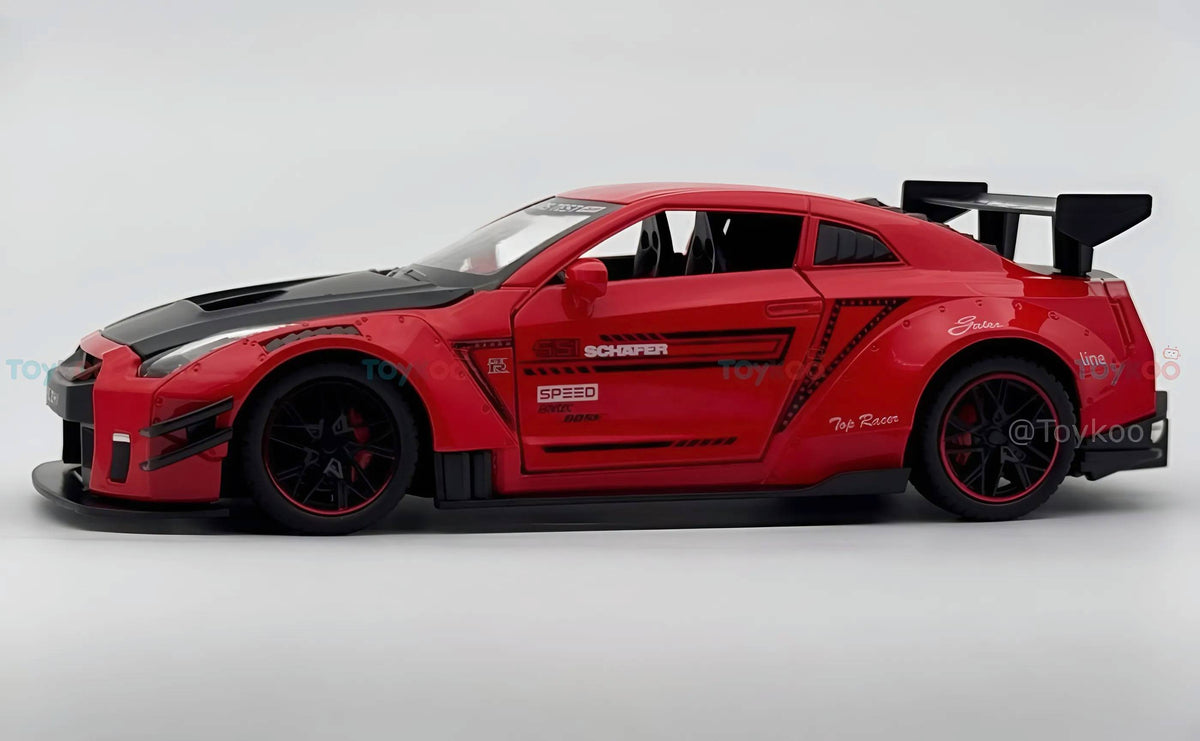
Nissan

Mercedes-Benz
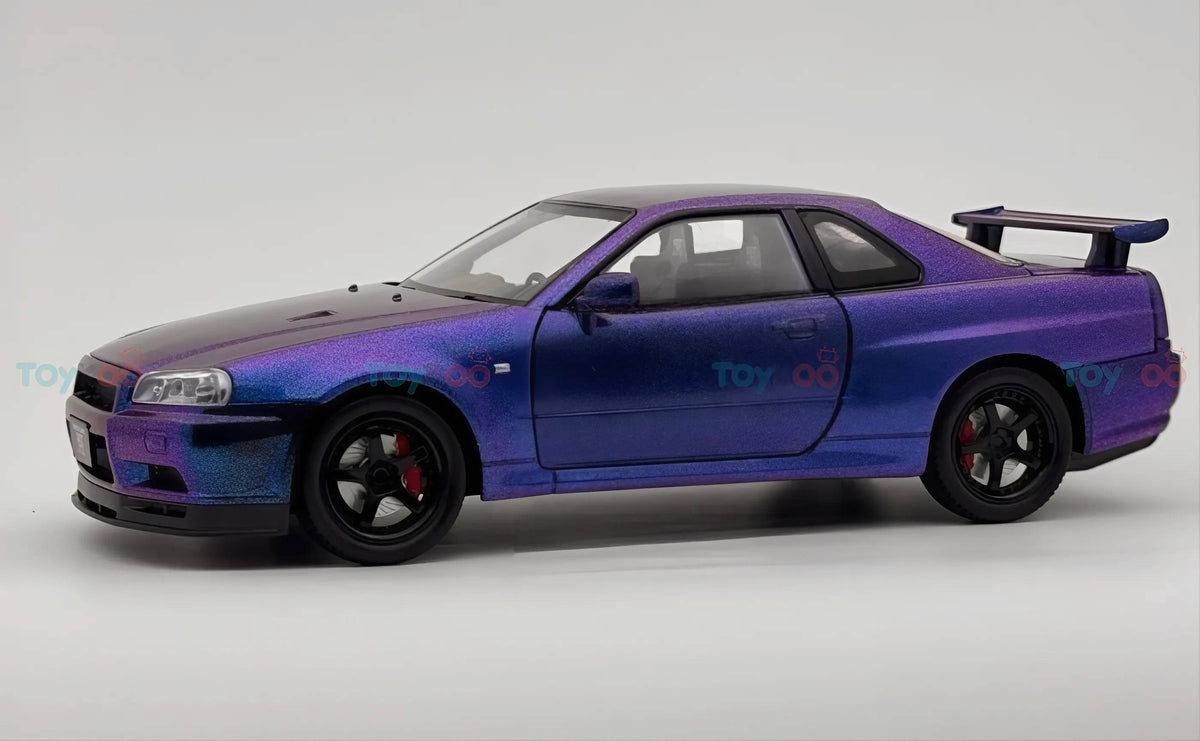
Nissan
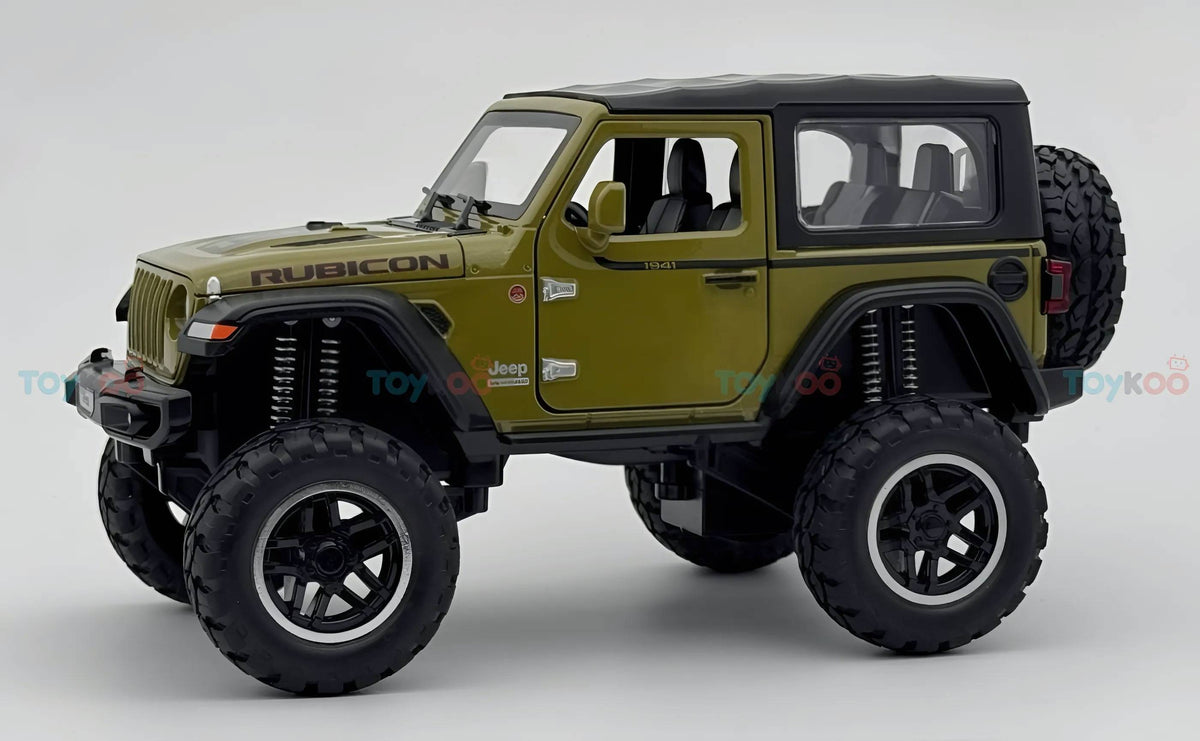
Jeep
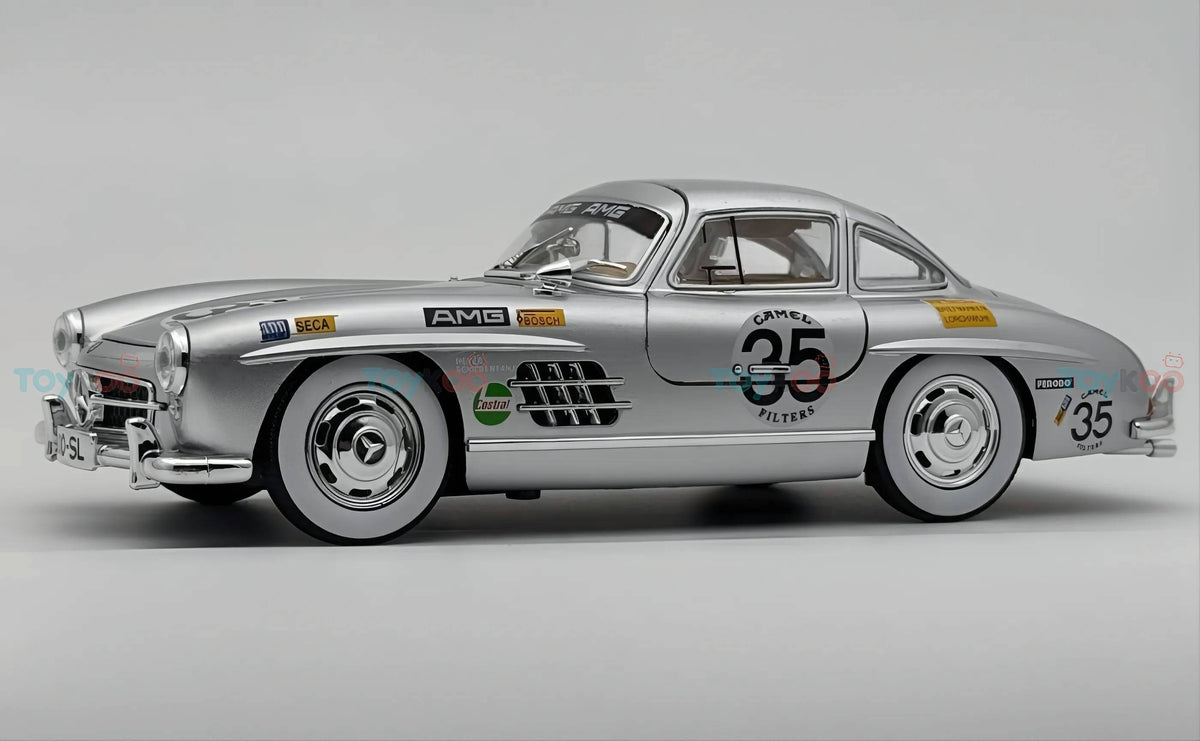
Mercedes-Benz

Mercedes-Benz
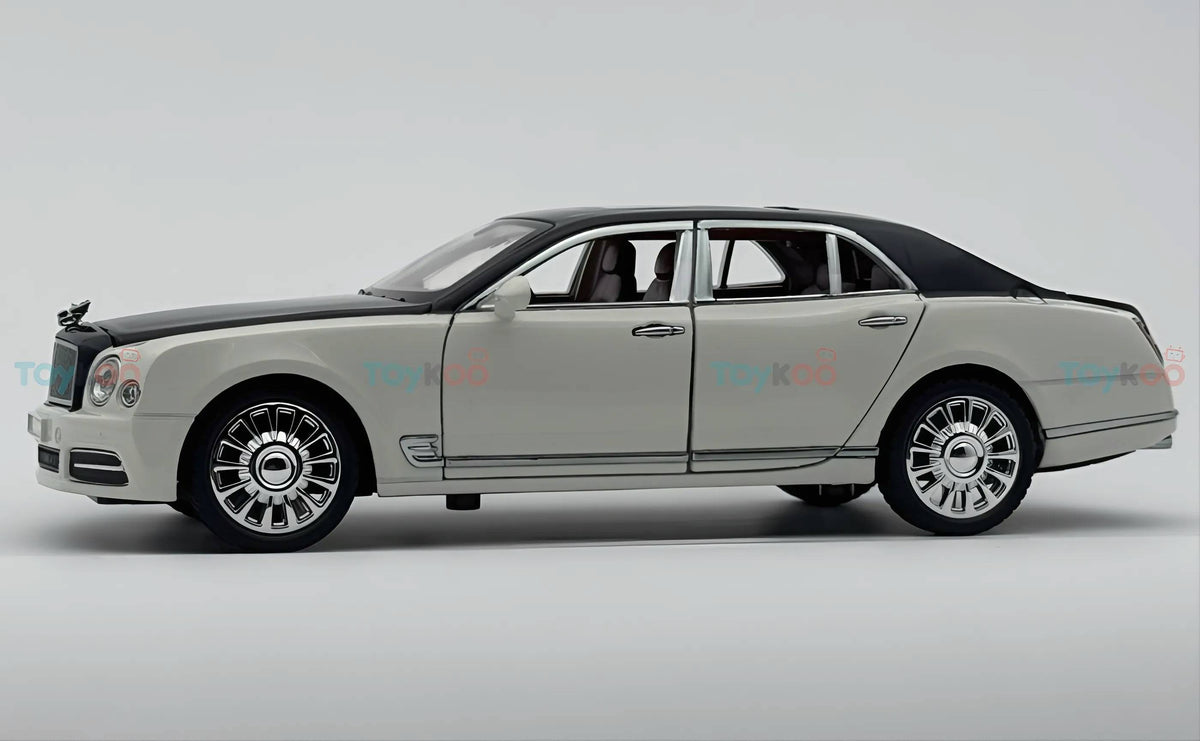
Bentley
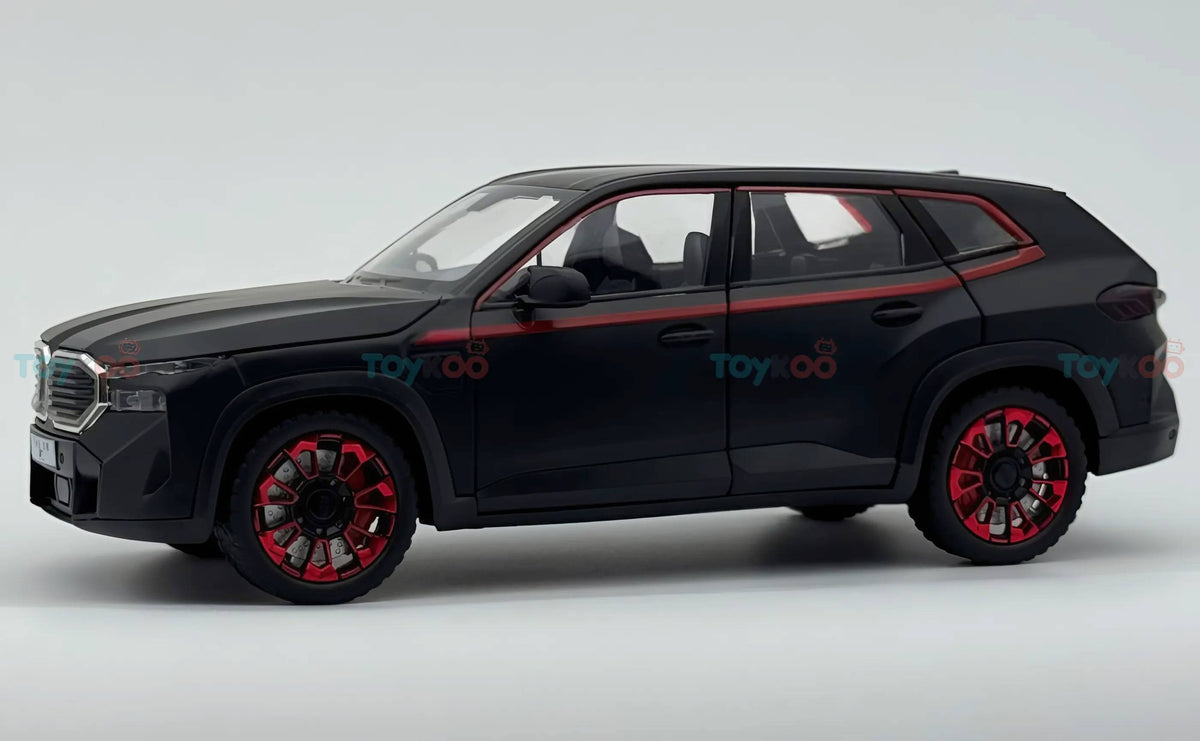
BMW
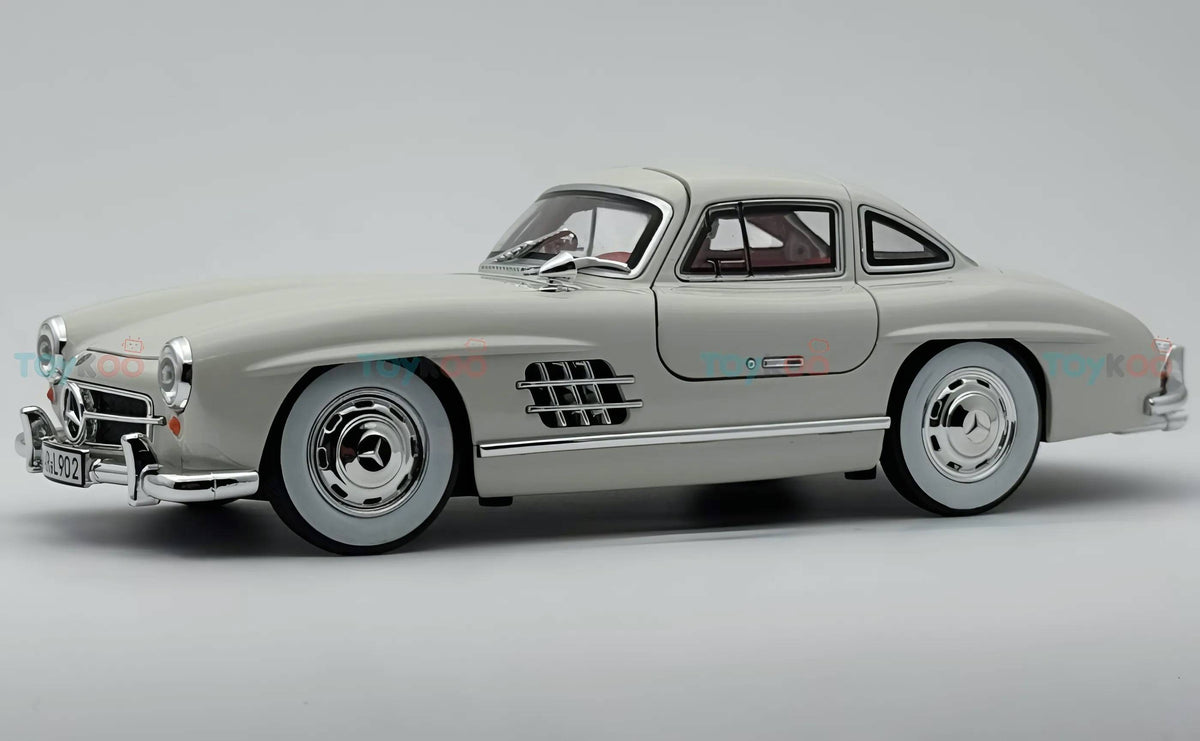
Mercedes-Benz
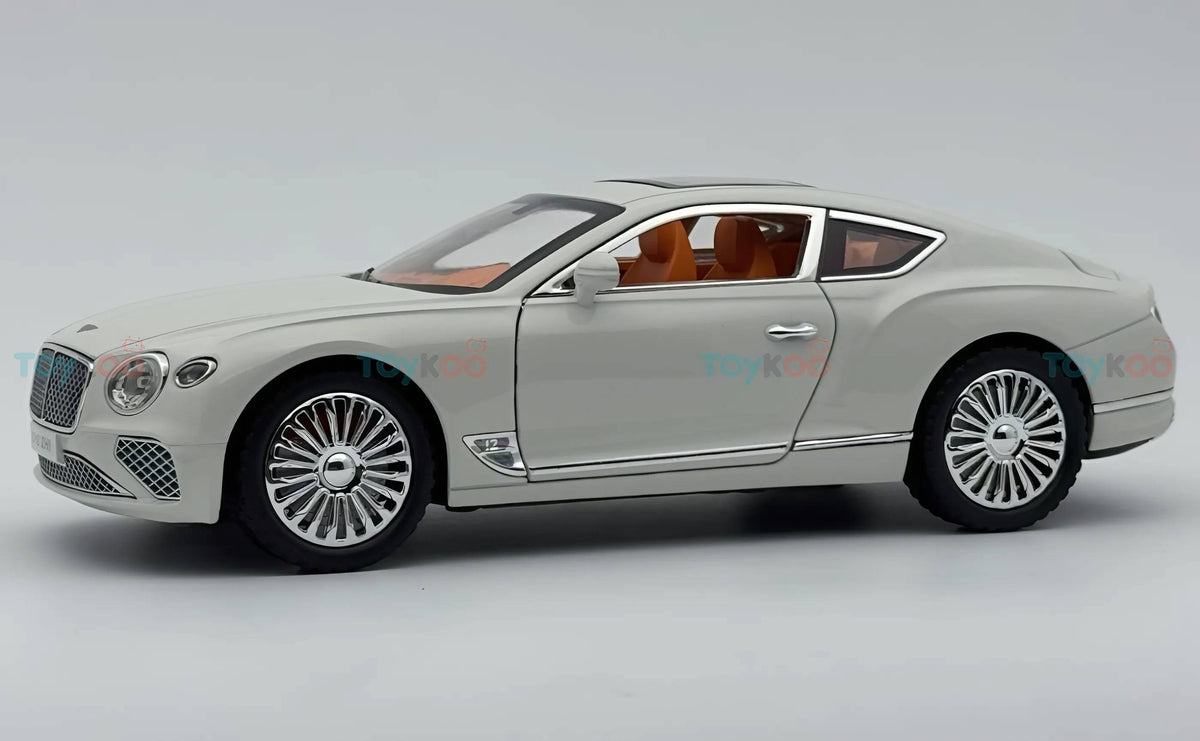
Bentley
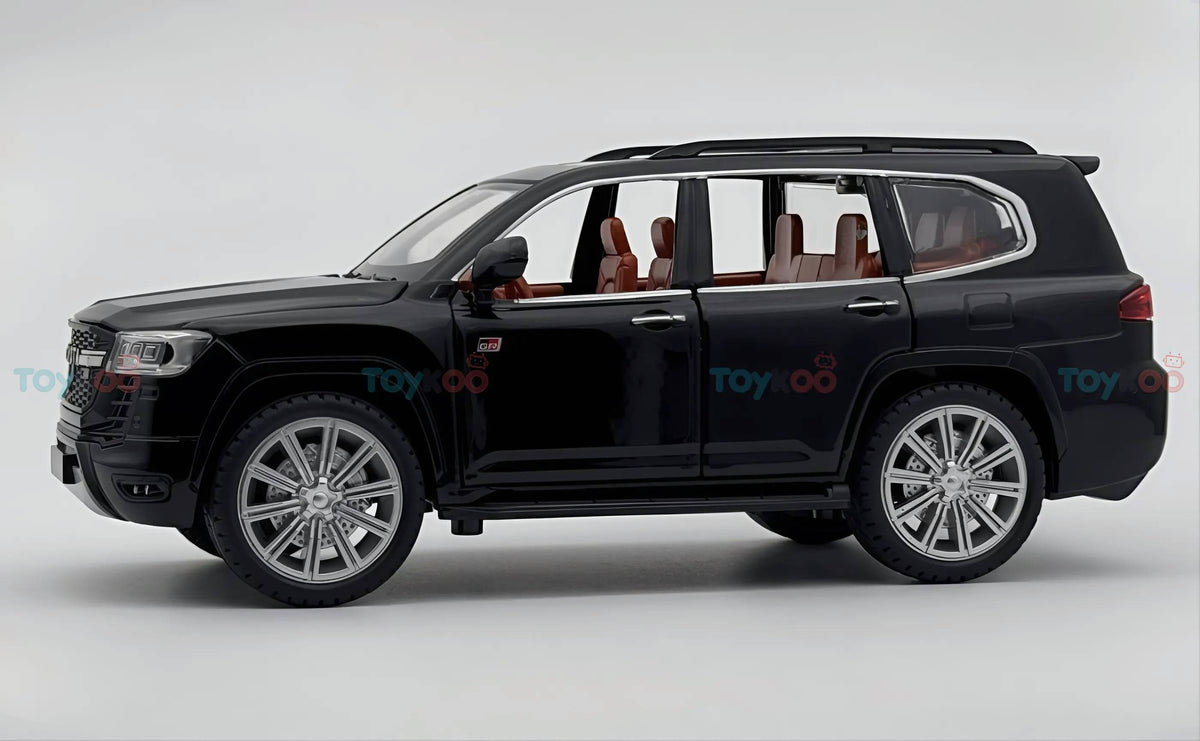
Toyota
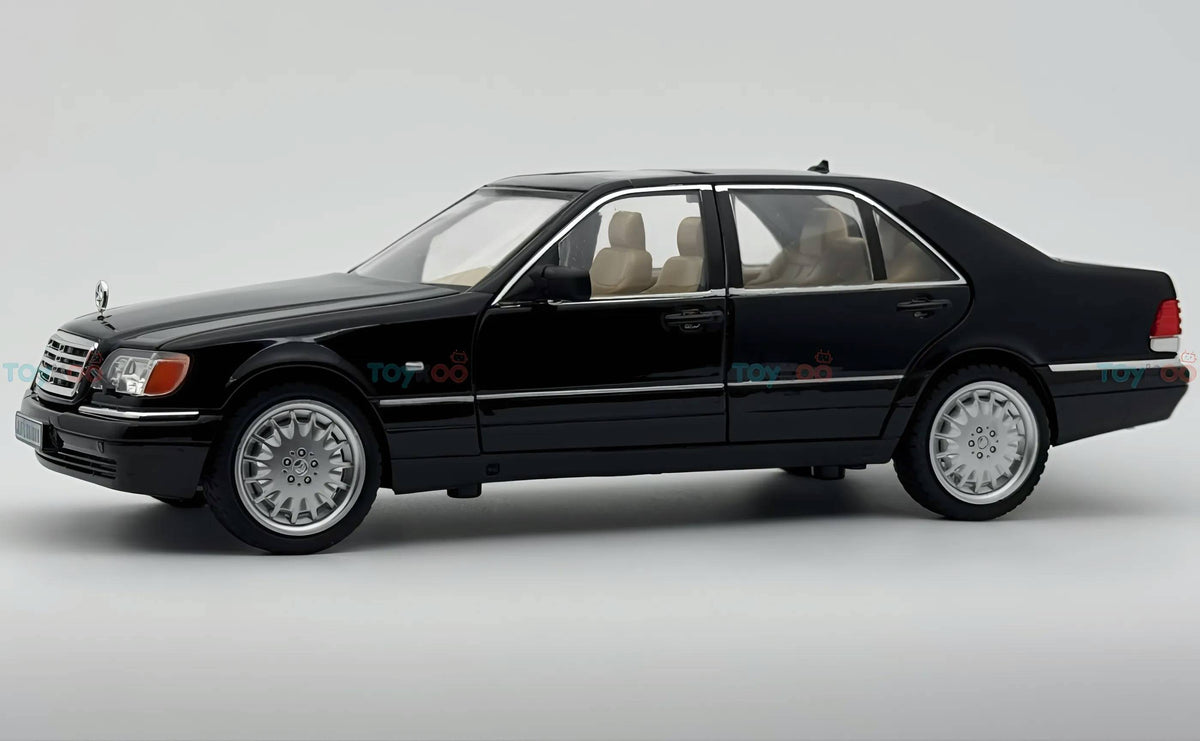
Mercedes-Benz
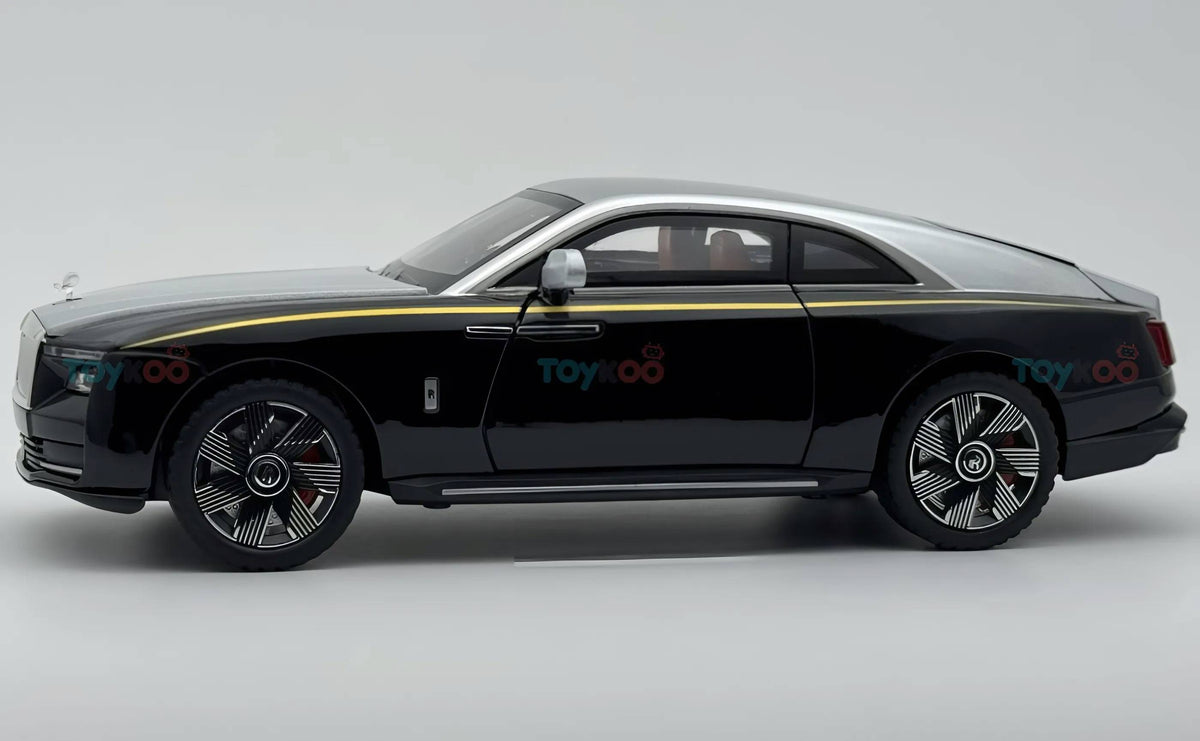
Rolls-Royce
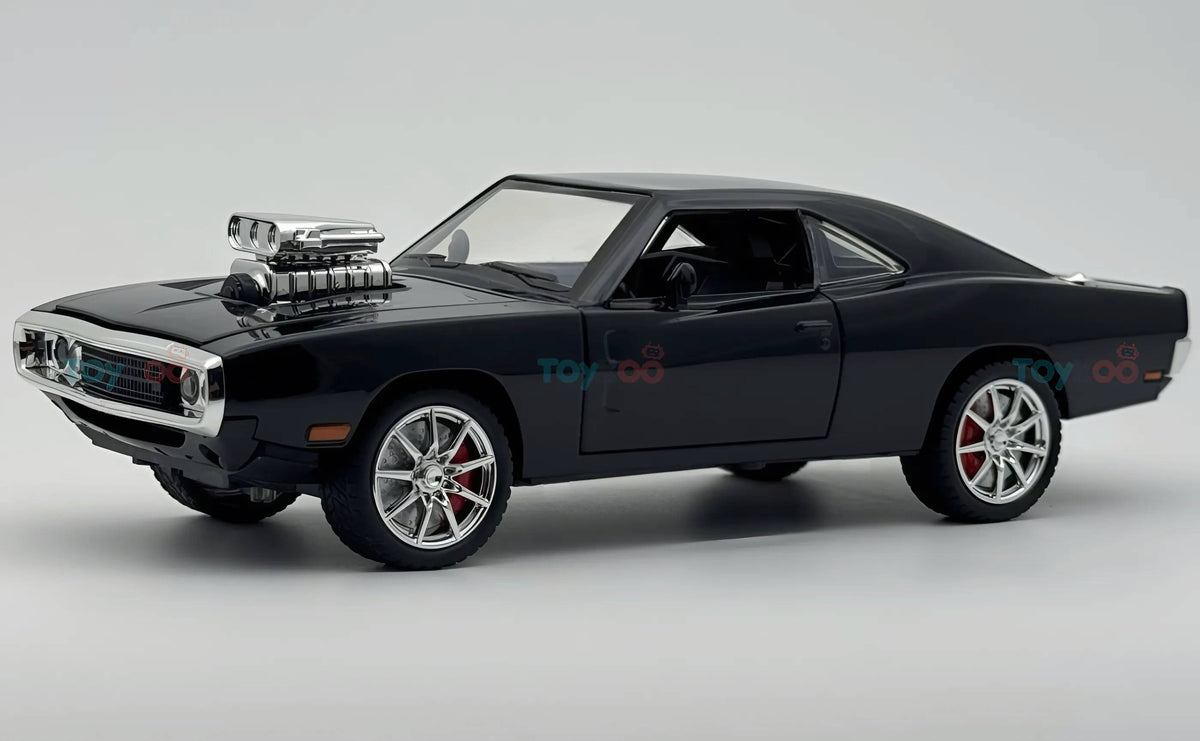
Dodge
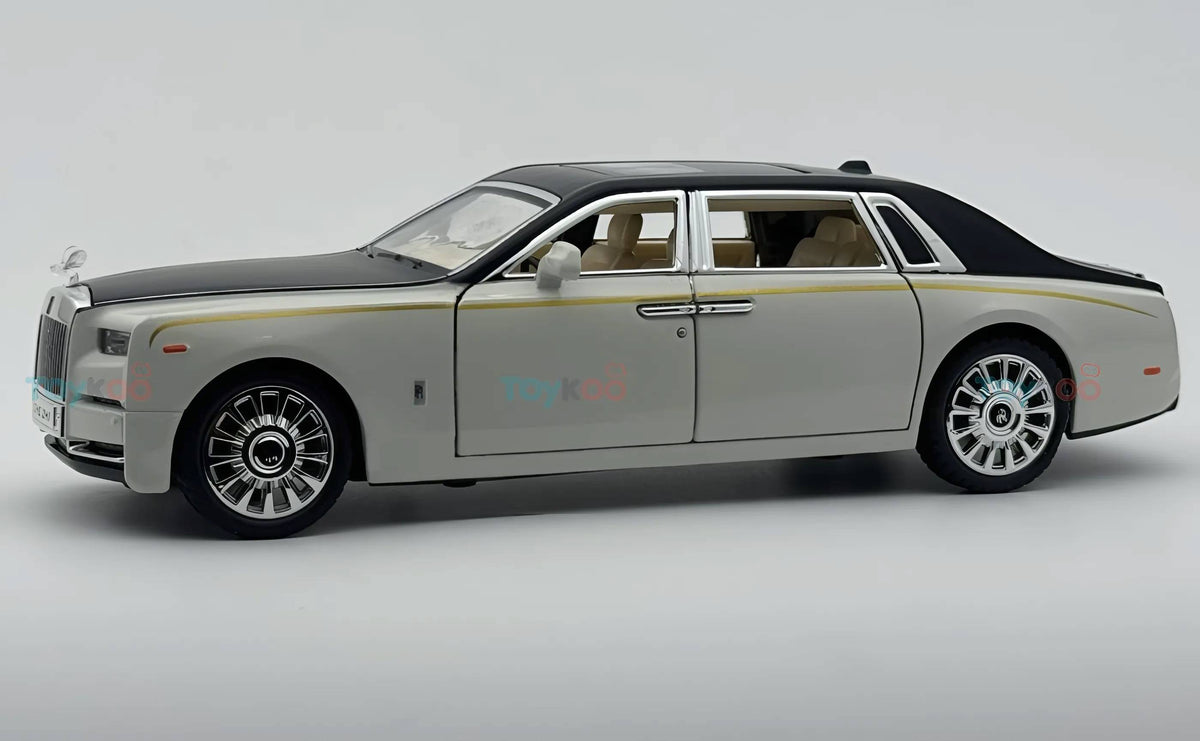
Rolls-Royce
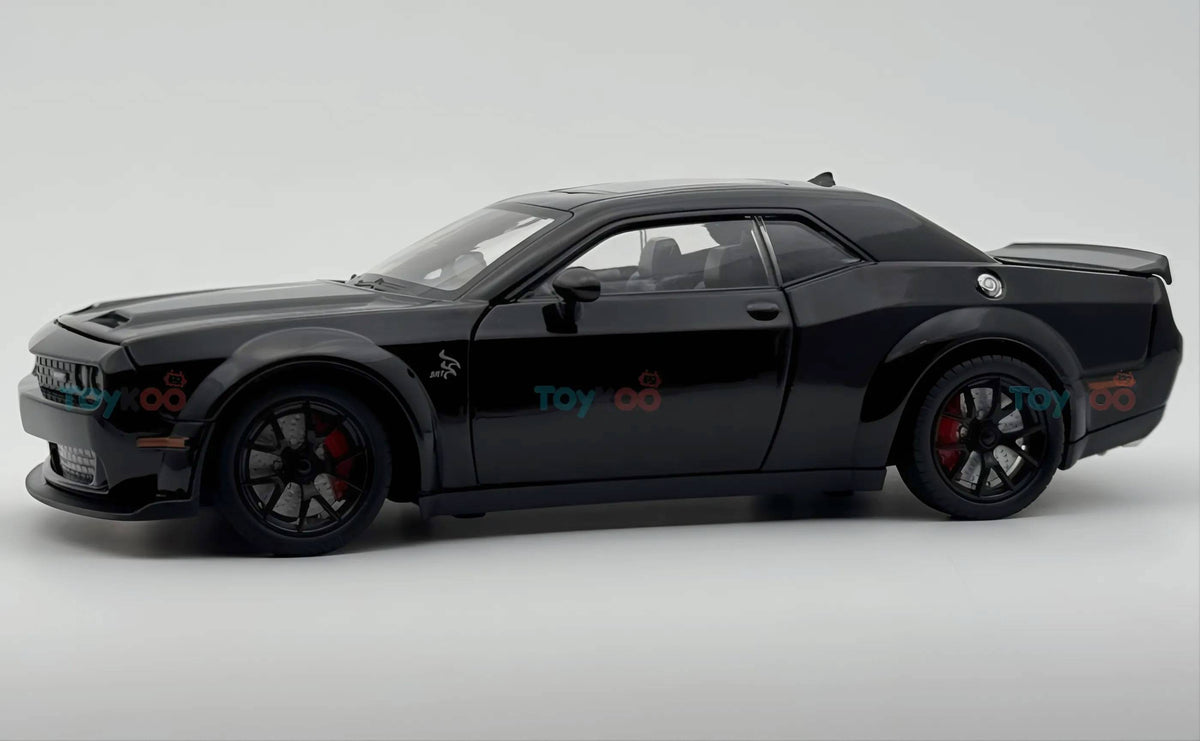
Dodge
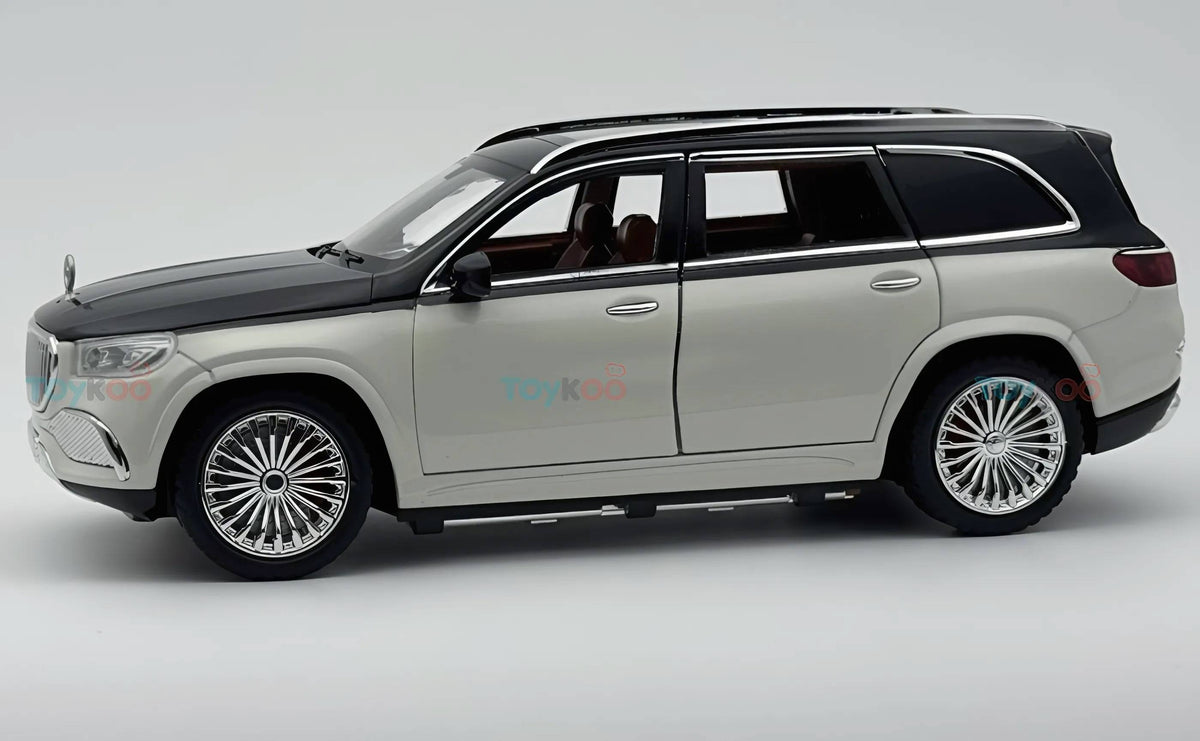
Mercedes-Benz
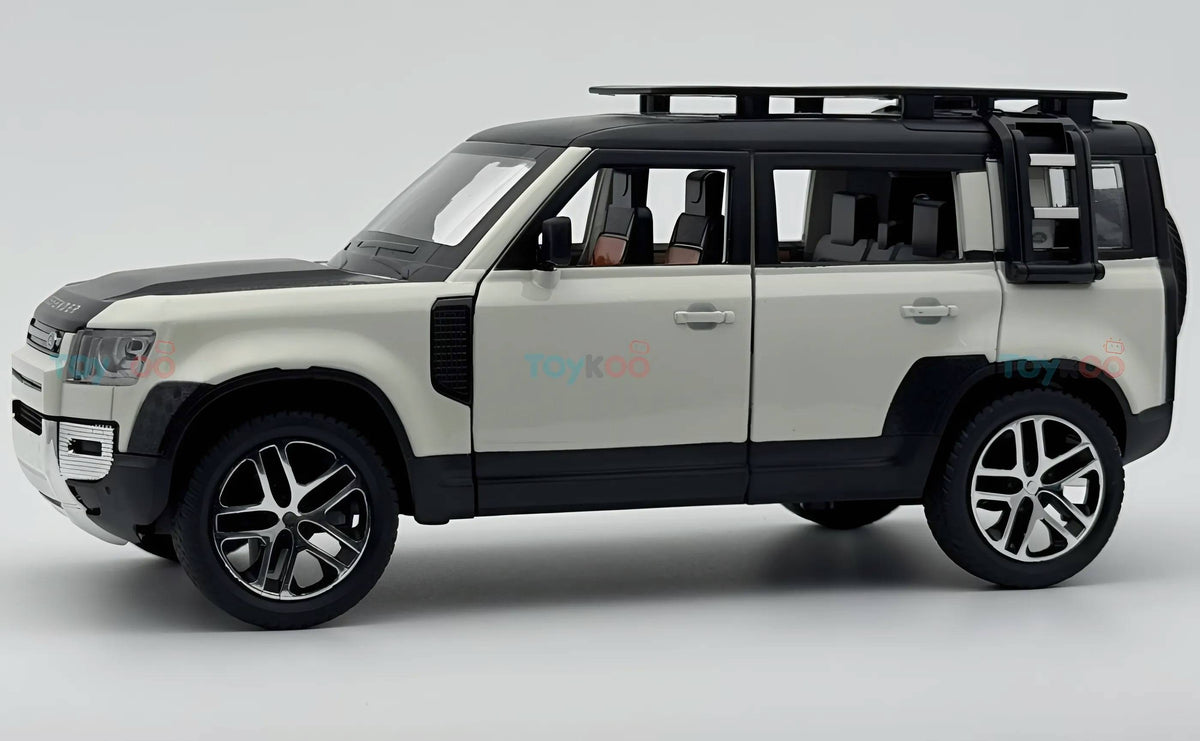
Land Rover
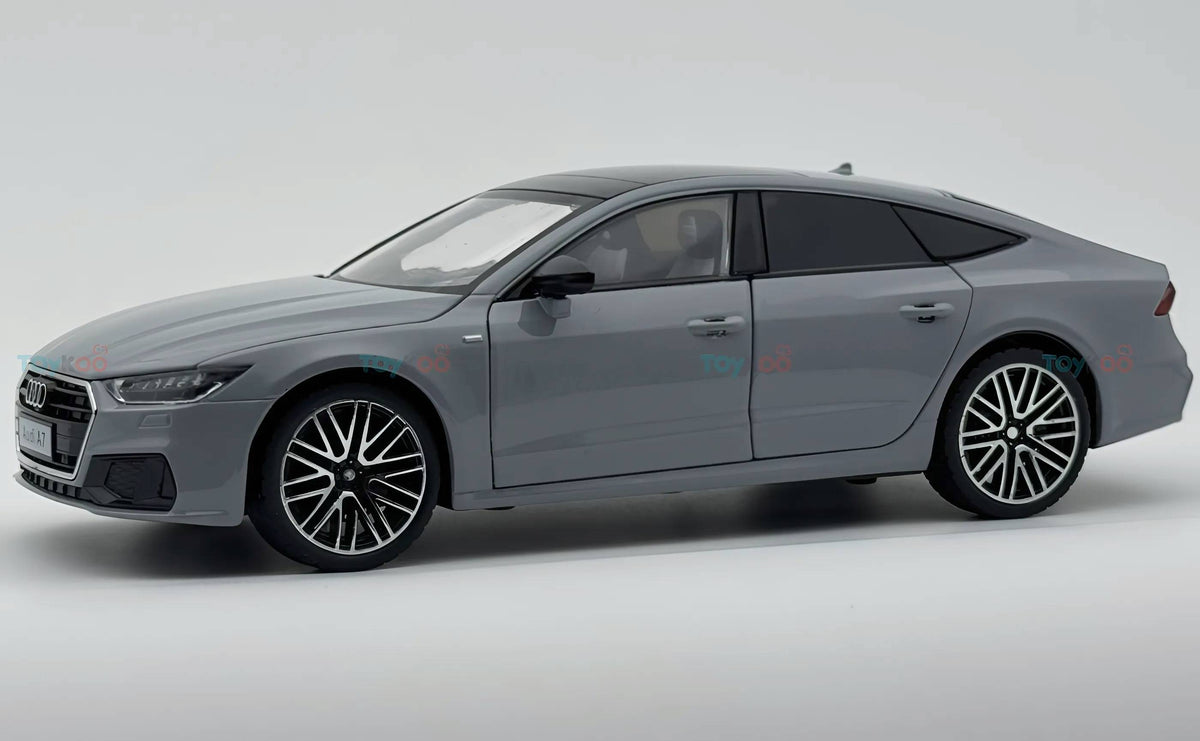
Audi
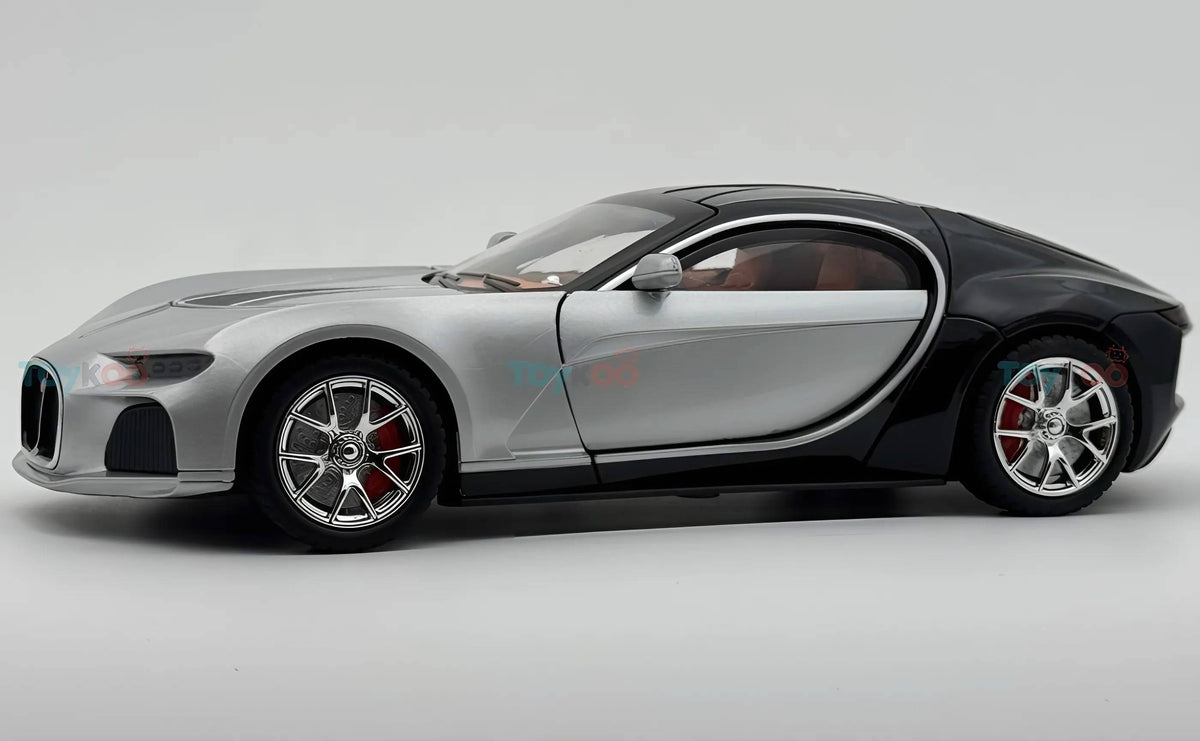
Bugatti
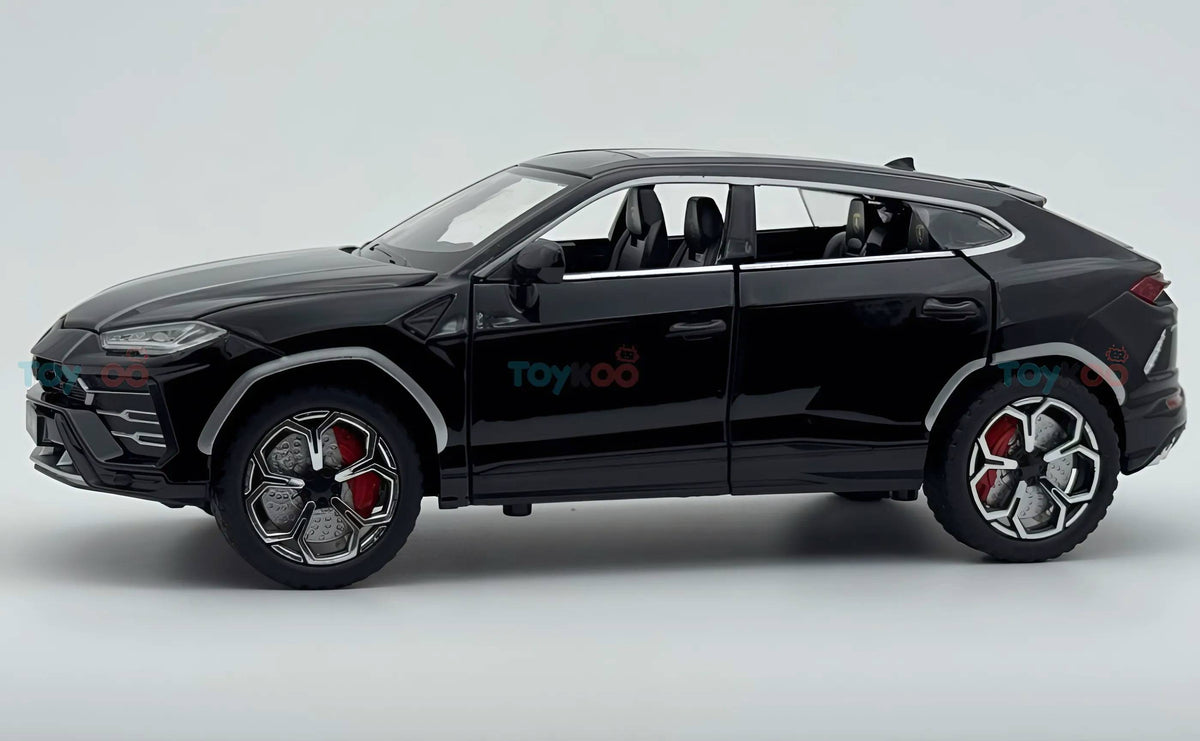
Lamborghini
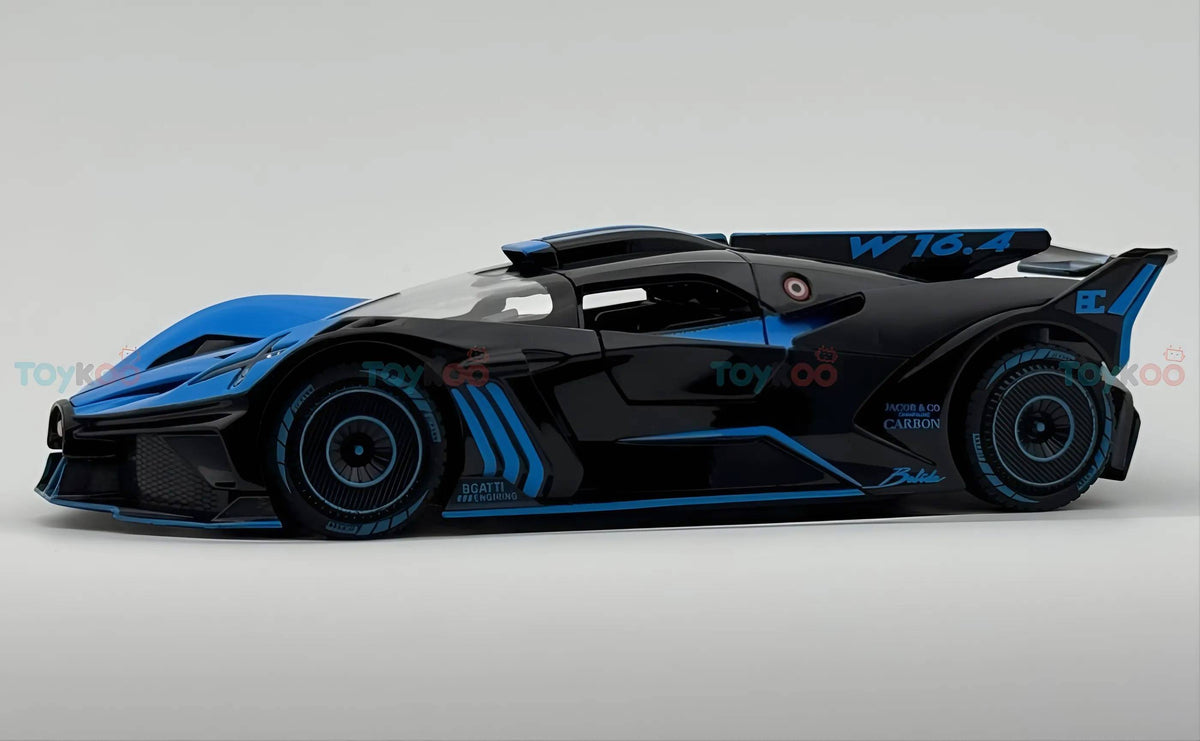
Bugatti
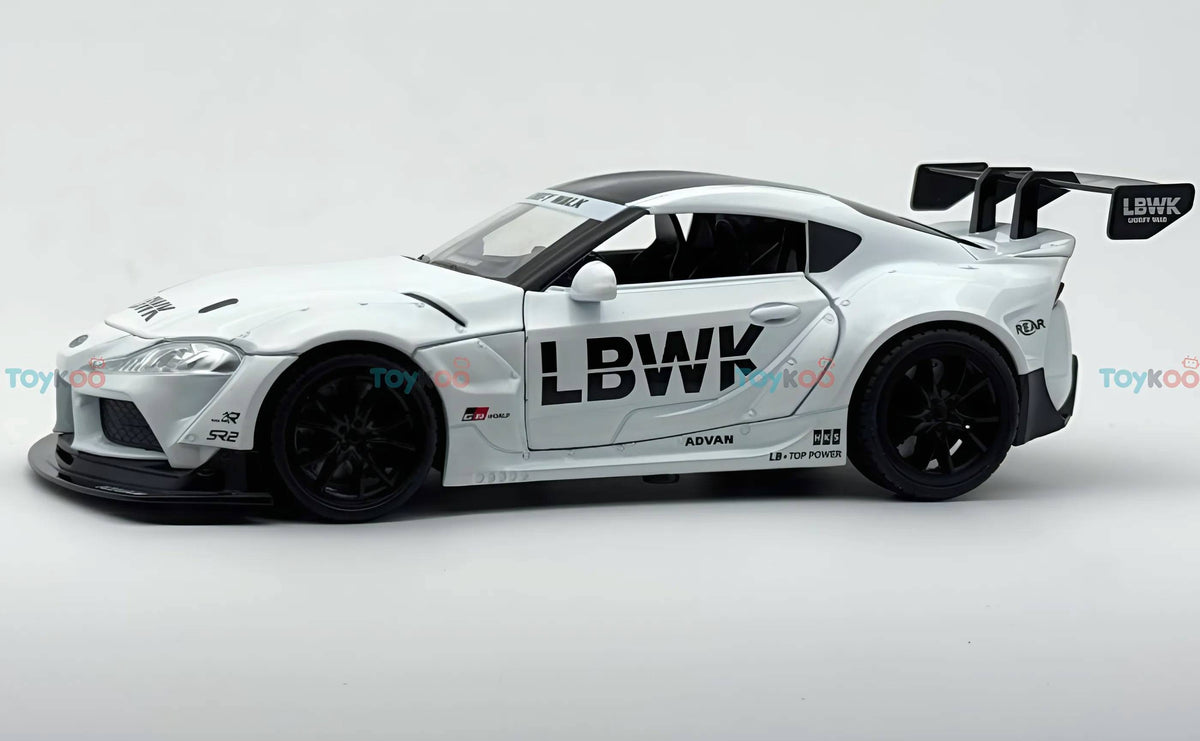
Toyota
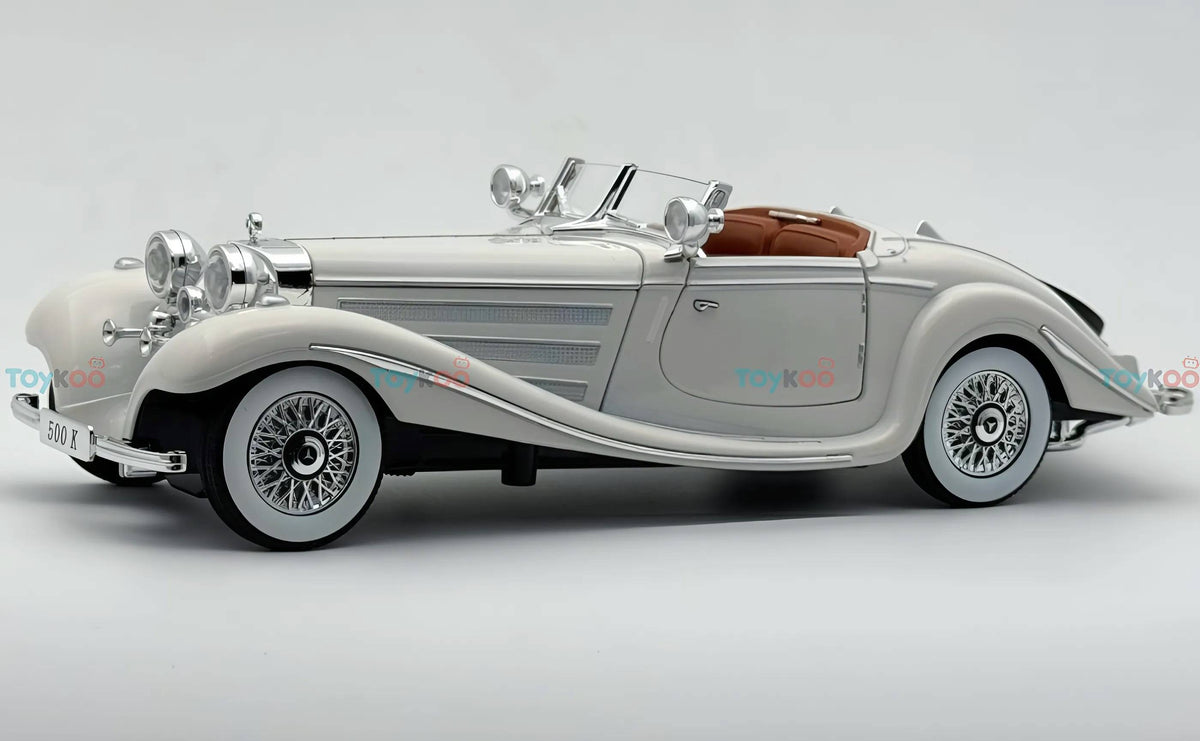
Mercedes-Benz
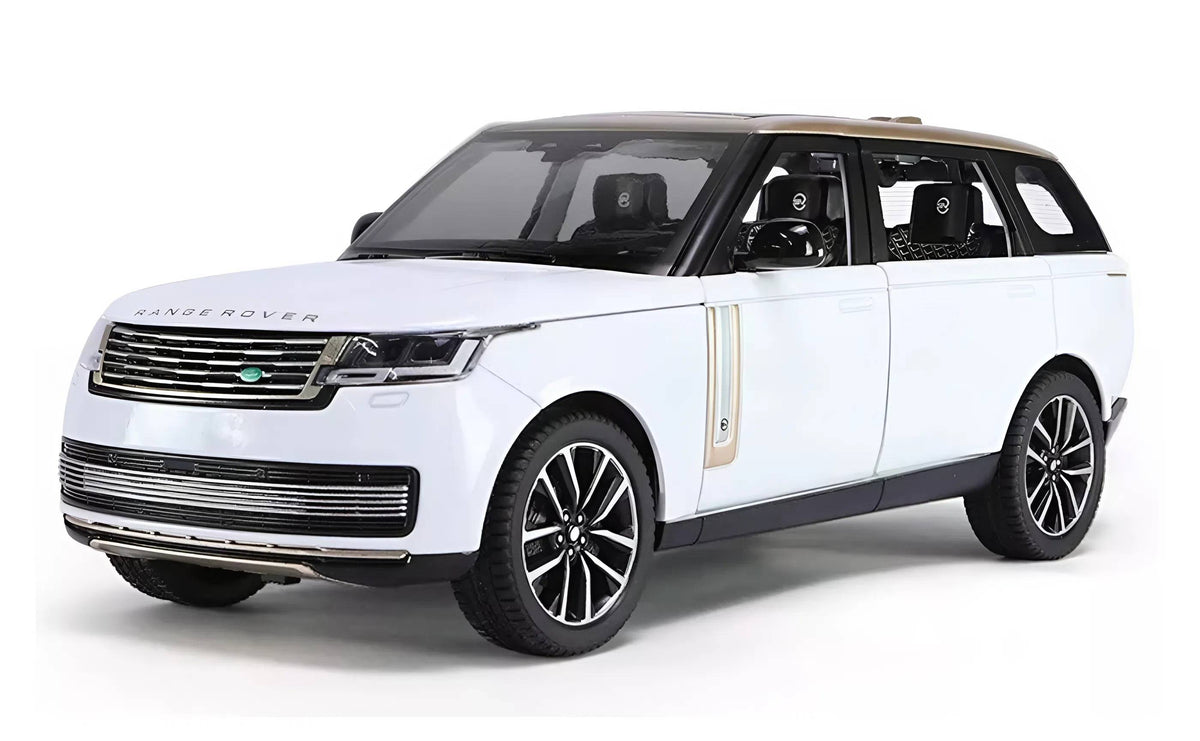
Land Rover
1:18 is the scale most people picture when they think of a display model. A typical car works out to roughly 25 cm long, long enough that door hinges, seat stitching and engine plumbing can actually be modelled rather than printed on. Most models here have opening doors, bonnet and boot, steerable front wheels and a fully finished interior.
Our 1:18 range leans towards the cars that get photographed in India: the Range Rover and Defender, the G-Wagon and Maybach GLS, the S-Class in two generations, plus the Bentleys, Rolls-Royces and Lamborghini Urus. There are proper collector pieces too, like the 1954 Mercedes 300SL with its gullwing doors, the E30 M3 and the Skyline R34.
Weight is a good tell for quality in this scale. A well-made 1:18 has a metal body and chassis and sits between 700 g and 1 kg. Ours ship double-boxed because of that weight, with the model tied to its insert so the mirrors and wipers survive the courier.
One shelf note: a 1:18 needs about 30 cm of width and 12 cm of depth per car. If you are planning a row, measure first.
At this size the shortcuts show, so this is the scale where it pays to know what you are looking at. Pick the model up first. A 1:18 with a metal body and a metal chassis will weigh 700 g to 1 kg; anything under 500 g has a plastic floor and will feel like a toy. Ours are metal-bodied with metal or heavy composite chassis, and the weight is listed on each product page.
Next, open the doors. On a well-made model the hinges are metal pins set into the A-pillar and the door swings without drooping. Poor models use plastic dog-leg hinges that sag within a year. Look at the wheels: the tyres should be rubber, not hard plastic, and the rims should have separate painted brake discs behind them. Inside, the seats should be a different texture from the dashboard, and the steering wheel should turn the front wheels on models that advertise steering.
Finally, the details that cost the manufacturer money: separate wipers rather than moulded ones, photo-etched or chromed badges rather than printed ones, and a carpeted boot floor. Not every model at this price has all of them, and our product pages say which features each one carries rather than implying they all do.
Each body is die-cast in zamak, then given a primer coat, two colour coats and a clear coat, with a light flatting between colour and clear. Bonnets, boot lids and doors are cast separately so their edges can be finished cleanly. The engine bay is a separate plastic assembly, painted in three or four colours, dropped in from below before the chassis is screwed on. Lights are clear polycarbonate with silvered reflector housings behind them, which is why they look wet rather than painted.
On the models with lights and sound, a small circuit board sits under the boot floor with three LR44 cells. The sound is a sampled engine note, not a synthesised one, and the volume is fixed. The batteries come fitted with a pull-tab so they do not drain in the box.
Allow 30 cm of width and 13 cm of depth per model, and 12 cm of height for saloons or 14 cm for SUVs. A standard 80 cm bookshelf takes two comfortably and three if the doors stay closed. Acrylic display cases are worth buying for anything you want to keep long-term: they keep dust off and stop mirrors being knocked. We recommend clear cases with a black base; the base hides the plastic chassis and the black makes paint colours read correctly.
If you want the doors open for display, open only one side. Two open doors make a model look wider than it is and put strain on both hinges. A bonnet propped open with the engine showing is the classic pose for a reason.
If it is a gift, the Range Rover, the G-Wagon or the Defender: they are recognised instantly, they photograph well, and their tall body shape hides the slight gap that every opening bonnet has. If it is for yourself and you want to see what the scale can do, the 1954 300SL with its gullwing doors or the AMG ONE with its engine bay. If you are budget-conscious, buy the one you actually want rather than the cheapest; a 1:18 you like at ₹2,499 beats one you do not at ₹2,199 every time.