58% off1:18
Rolls-Royce
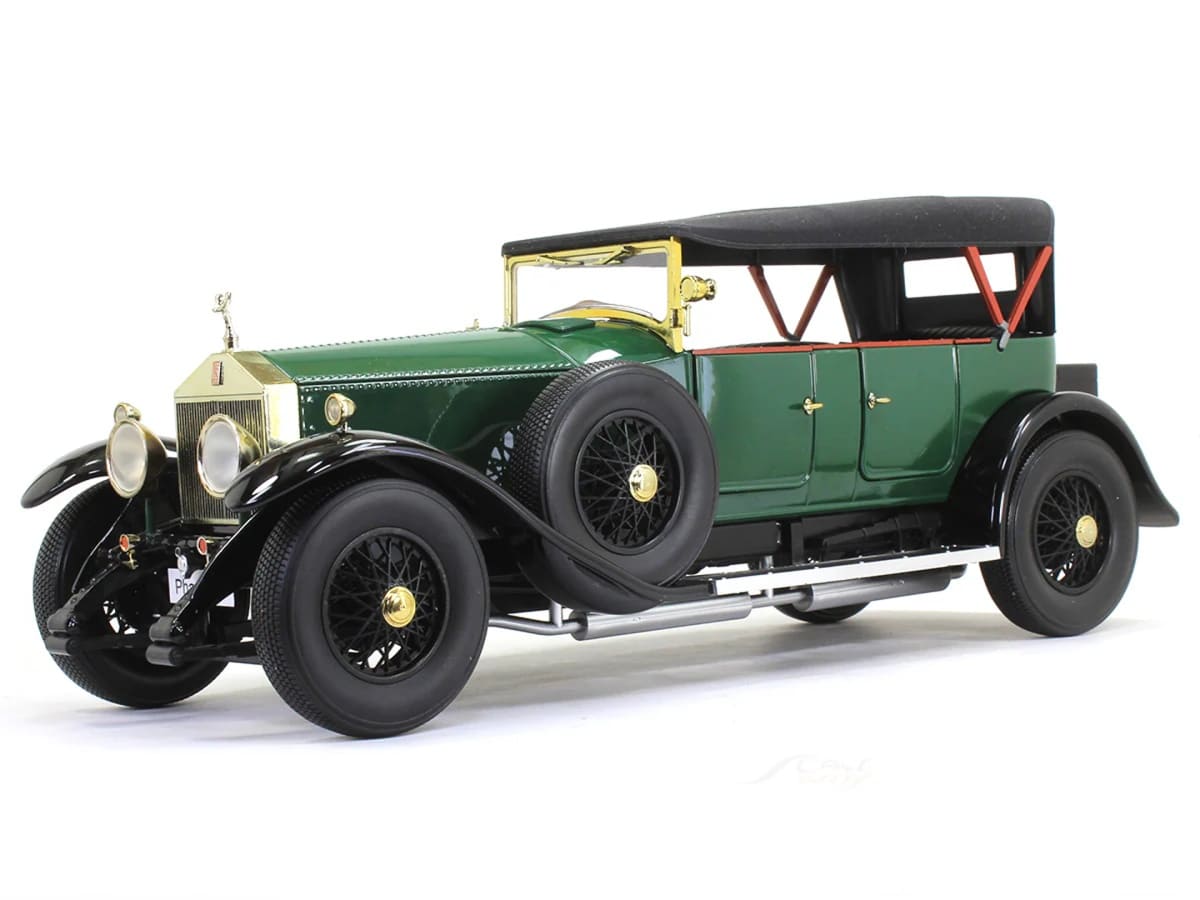
1925 Rolls-Royce Phantom I 1:18 Diecast Model
(133)
₹2,499₹5,99958% off
Gullwings, running boards and chrome. Cars from before your father was born.
11 models · from ₹1,499 · free shipping
Rolls-Royce
Mercedes-Benz
BMW
Mercedes-Benz
Mercedes-Benz
Honda
Mercedes-Benz
Dodge
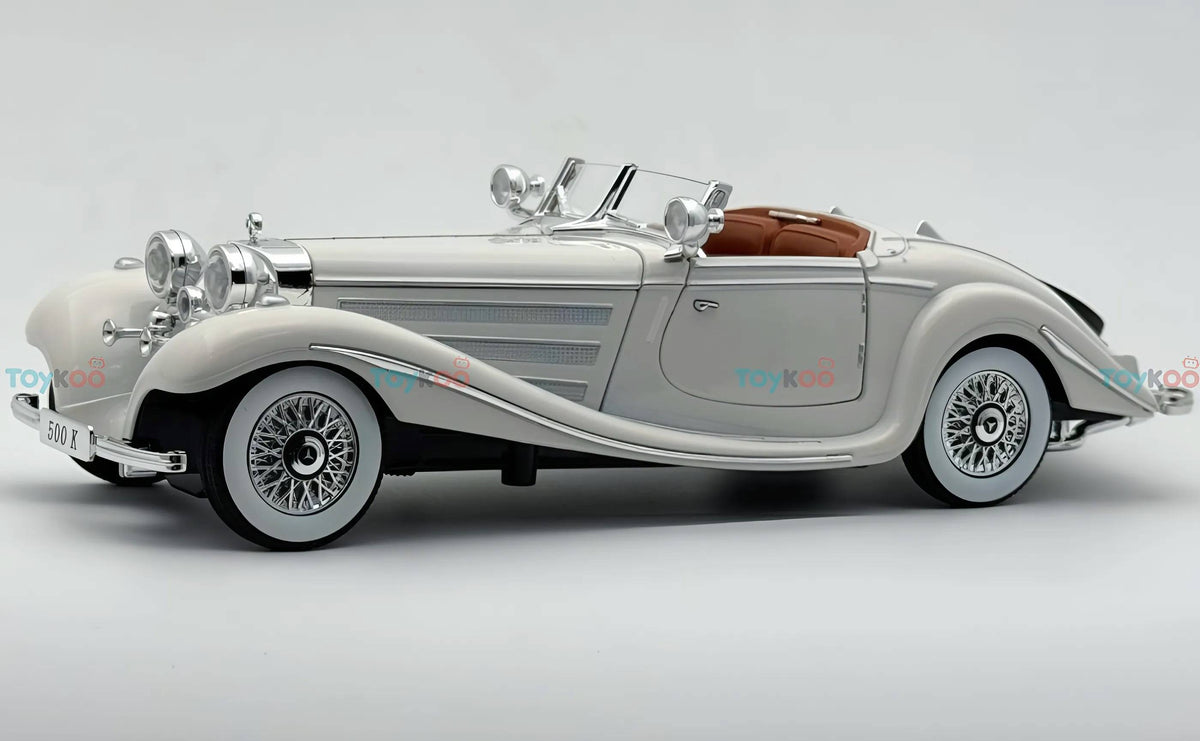
Mercedes-Benz
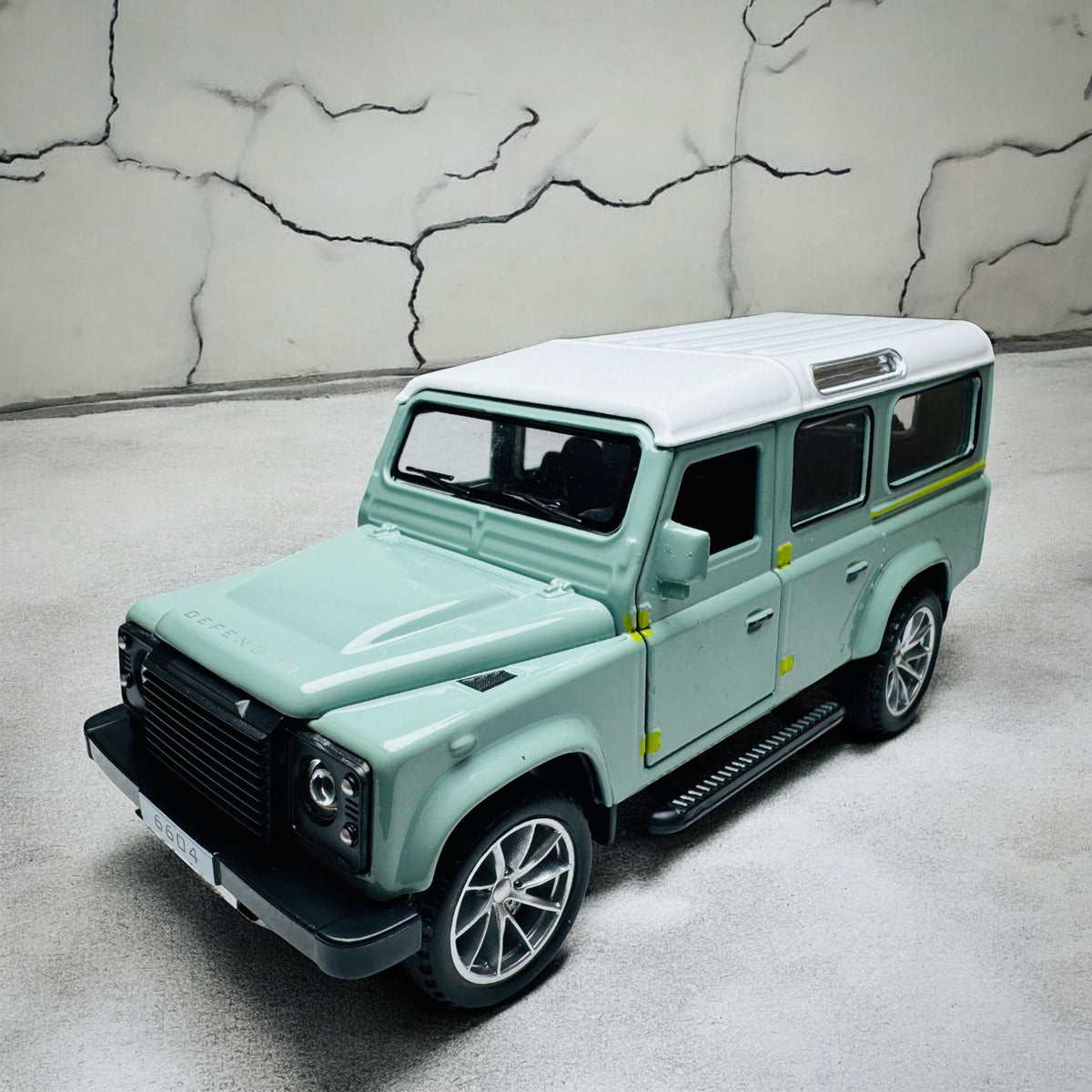
Land Rover
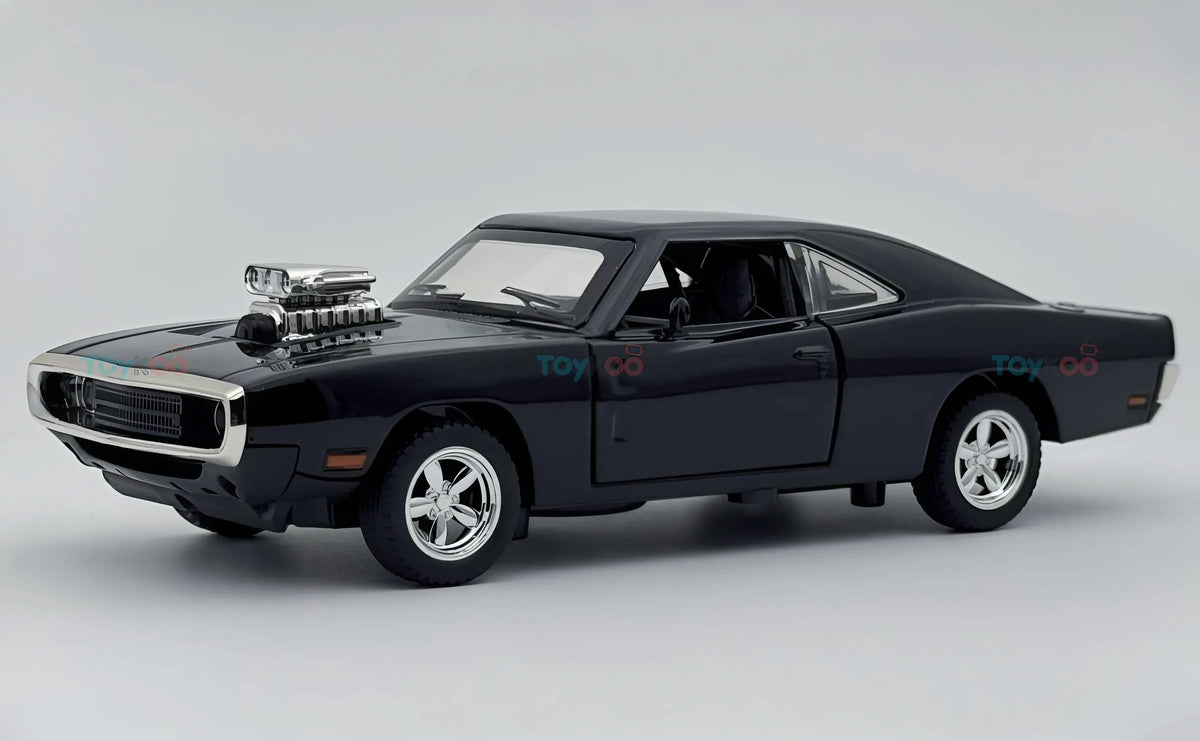
Dodge
Pre-war and post-war classics are where diecast shows off. Spoked wheels, external exhausts, folded hoods and separate headlamp bowls are all things a modern car simply does not have, and a good model of a 1936 500K has more individual parts than a model of anything built this decade.
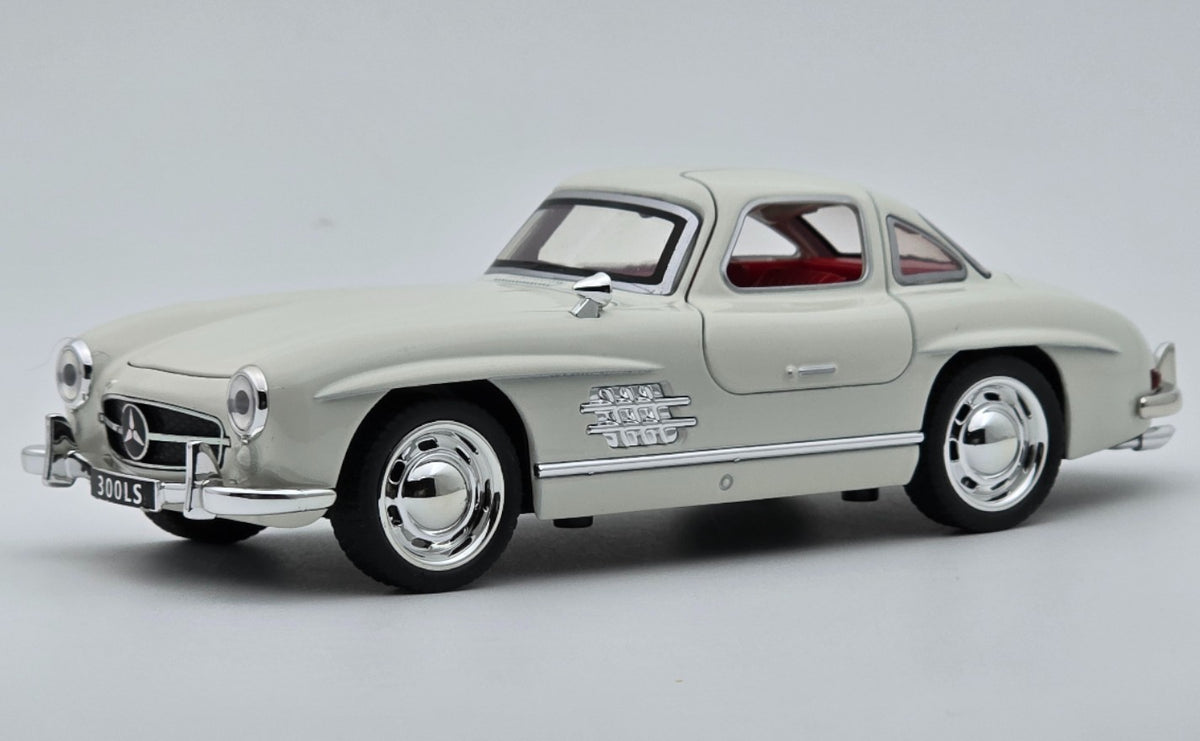
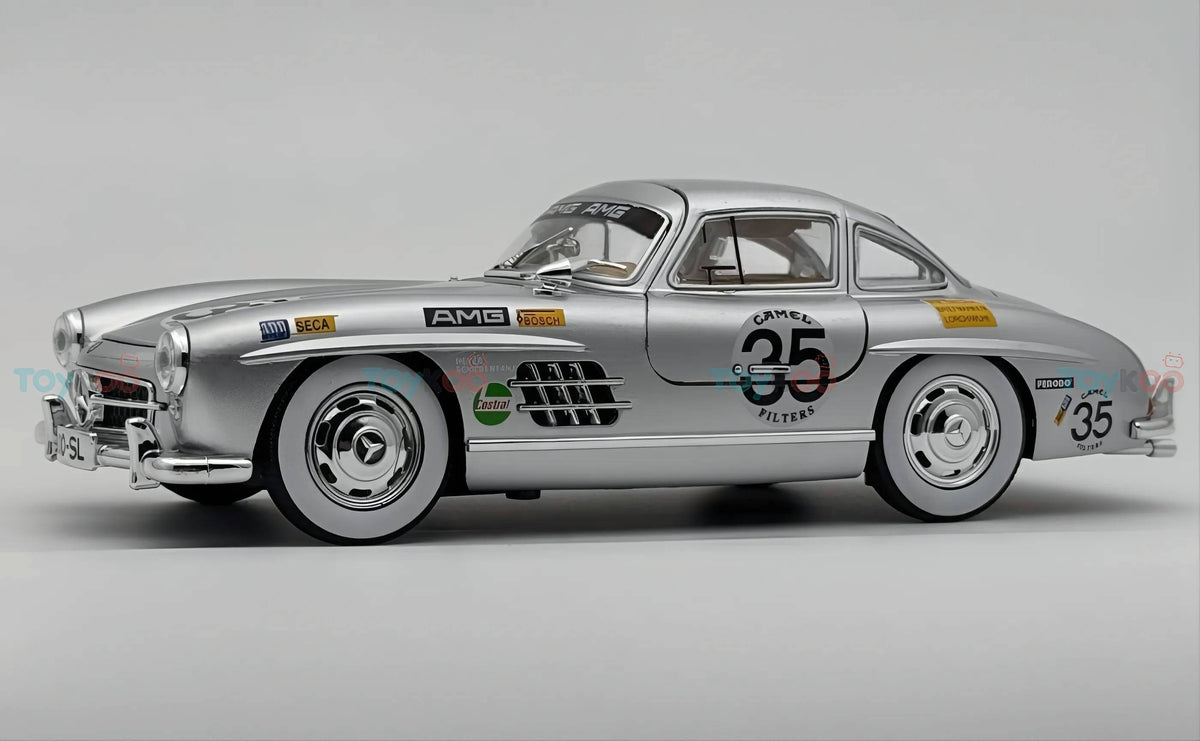
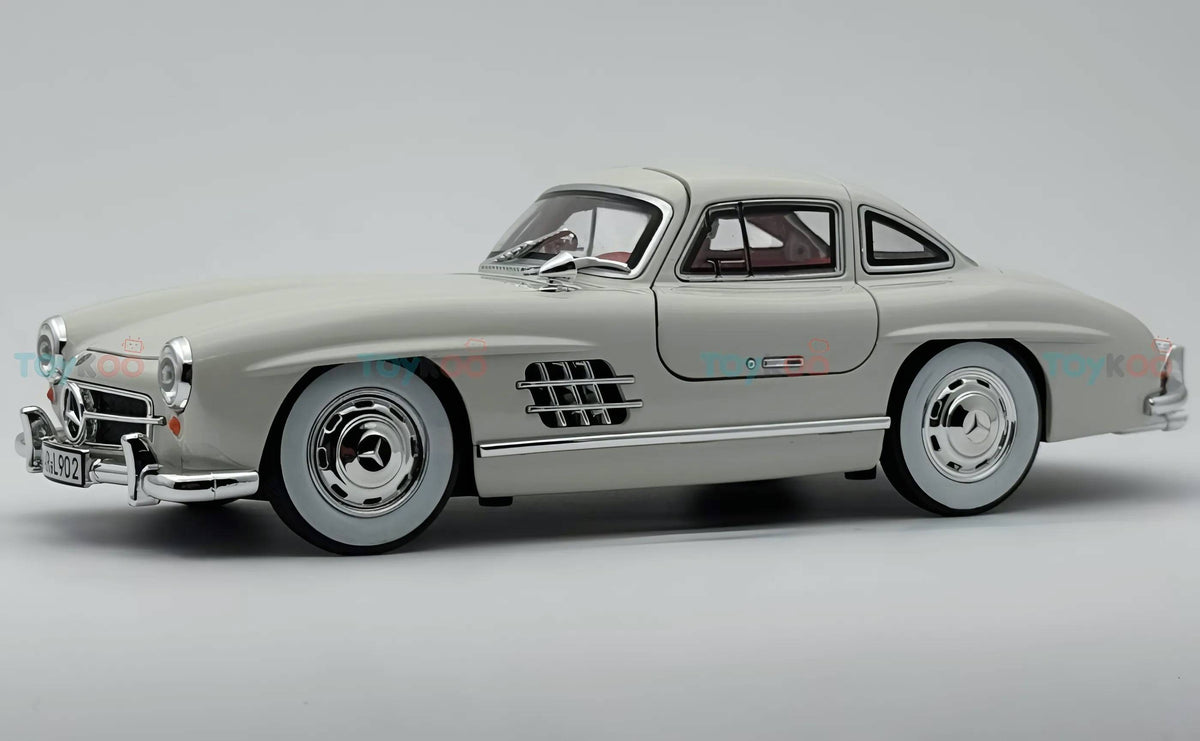
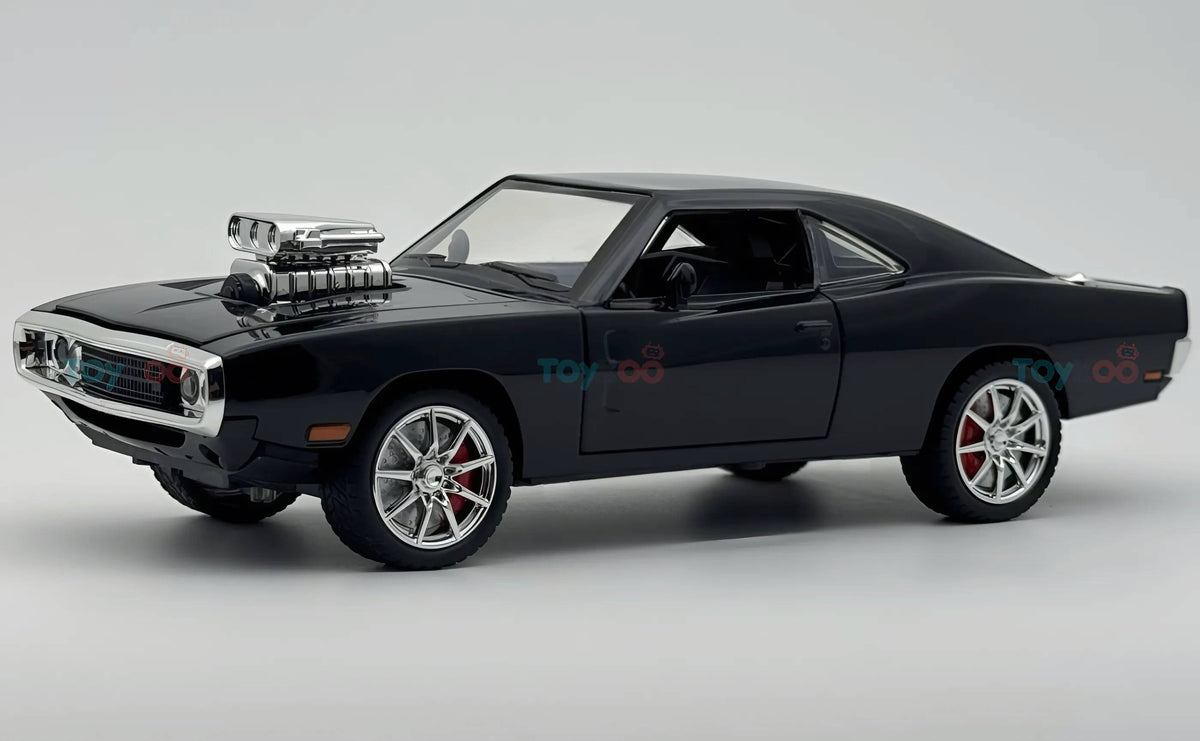
The 300SL in this collection is the one to see in person: the gullwing doors open upwards on proper hinges and the tartan seats are printed, not painted. The 1925 Phantom I is the largest model we sell by a margin. The E30 M3 and the 1970 Charger are here for anyone whose idea of vintage is a little more recent.
A modern car is a few large panels. A 1930s car is dozens of small ones: separate wings, running boards, external headlamp bowls, a radiator shell, wire wheels, a folding hood and exposed exhaust pipes. Each is a separate part to cast or mould, chrome-plate, and fit, and each is a place where a manufacturer can cut a corner. The 500K roadster in this collection has more than twice the part count of a modern saloon in the same scale, and it shows in the price and in the box weight.
Chrome is the other challenge. Real chrome cannot be applied to zamak at this scale, so bright parts are plastic with a vacuum-metallised finish. Good vacuum plating is mirror-bright and survives handling; poor plating looks grey and flakes at the edges. The models here use the better process, and we check the radiator shells and bumpers on every one before listing, because those are the parts that catch the eye.
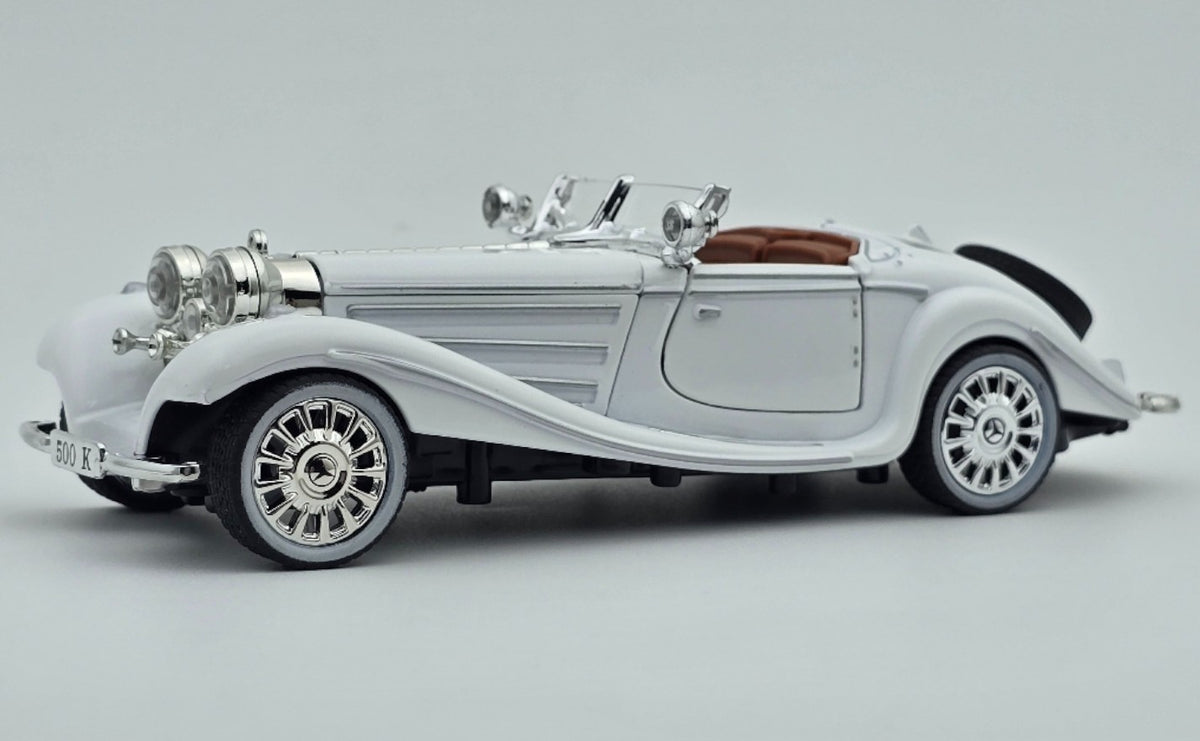
The 1954 Mercedes-Benz 300SL is the standout. The gullwing doors pivot from the roof on proper hinges and stay up on their own, the tartan seat inserts are printed, and the bonnet opens on the straight-six with its fuel injection modelled. The 1936 500K Special Roadster has a folded hood, a separate luggage rack and chromed exhaust flexes down the bonnet sides. The 1925 Rolls-Royce Phantom I is the largest and oldest car we sell, with an open driver's compartment and a closed rear cabin, and it needs a shelf to itself.
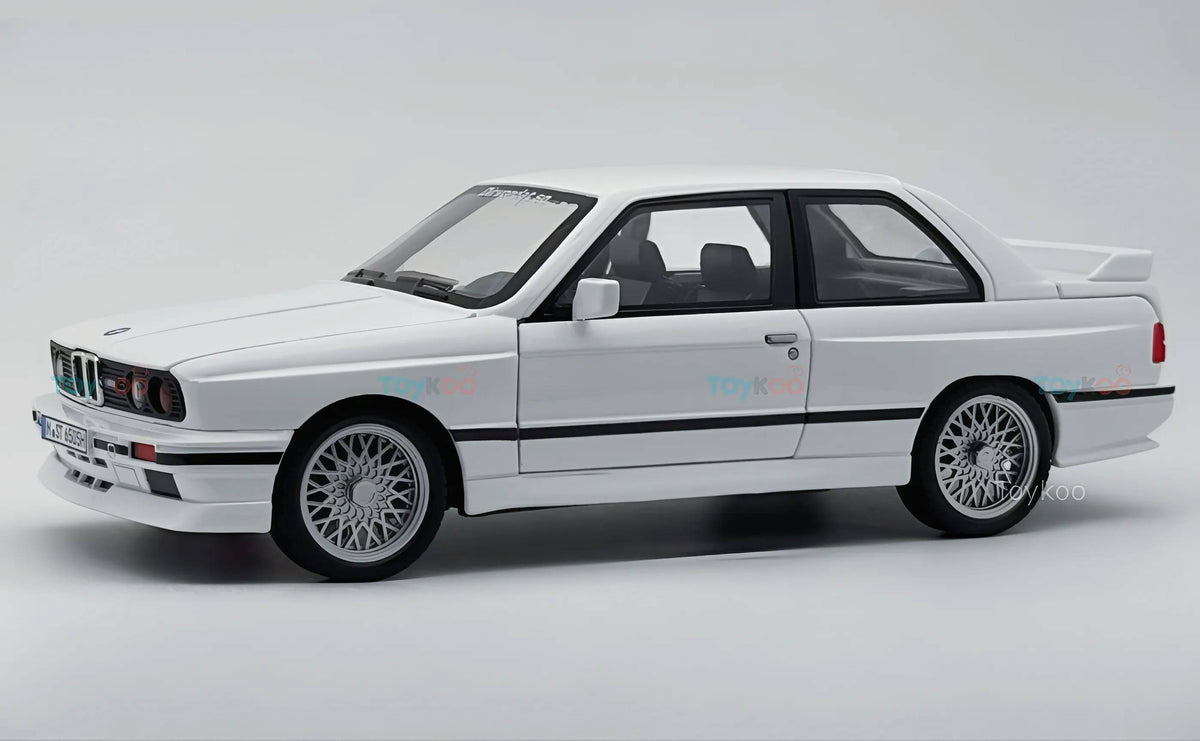
For a more recent kind of classic, the 1988 BMW M3 E30 in 1:18 has the box flares, the rear wing and the correct cross-spoke wheels, and the 1970 Dodge Charger in 1:18 is the film car with the supercharger through the bonnet.
Lift by the roof or the chassis, never by a wing or a bumper; the thin chromed parts are the ones that snap. Open gullwing doors from the bottom edge, not the handle. Keep vintage models further from windows than modern ones because the cream, maroon and dark green paints used on them fade faster than metallic silvers. Dust the wire wheels with a brush; a cloth will catch the spokes.